Green-ovate your bathroom Bathroom Plants and Garden Checklist

Greenovate, Bathroom, greenery, plants, vegetables, harvest, checklist, pests, apricots, apples, bamboo, beetroot, staghorn fern, croton plants, guzmania flower, thyme, rosemary, life is a garden, february

Green-ovate your bathroom with these moisture-loving, humidity-seeking plants.

Greenovate, Bathroom, greenery, plants, vegetables, harvest, checklist, pests, apricots, apples, bamboo, beetroot, staghorn fern, croton plants, guzmania flower, thyme, rosemary, life is a garden, february

Indoor bathroom beauties

Landscaping indoors is a great way to both extend and create a theme. In addition, the bathroom doubles as a sweet little greenhouse for all your favourite indoor lovelies. Consider the style of the plant to inspire your container shape and colour choice. 

Tropical vibes:

Croton plants (Codiaeum variegatum) come in a large variety of foliage shapes and sizes as well as different colour variations. In general, the more variegated and colourful the croton plant, the more light it will need. They do not like the cold and will likely go through a shock period once brought home or moved. A tad fussy, but so worth it!

Greenovate, Bathroom, greenery, plants, vegetables, harvest, checklist, pests, apricots, apples, bamboo, beetroot, staghorn fern, croton plants, guzmania flower, thyme, rosemary, life is a garden, february

For good feng shui:

Sculptural and intriguing, the lucky bamboo (Dracaena sanderiana) is a good choice for beginners. They enjoy filtered sunlight and a drop of liquid fertilizer once a month. You can even grow this plant in a vase of pebbles and water, just be sure to refresh the water every week. In addition, stalks can be trained to grow in special twists and turns. 

Striking and strange:

Guzmania flower bracts will captivate you all year round. As they tend to be top-heavy, place a stone at the bottom of containers. Plants prefer bright light, no direct sun, and an orchid mix soil base that is kept moist. Place them at eye level where you can enjoy their evergreen foliage and most unusual flowers.

Greenovate, Bathroom, greenery, plants, vegetables, harvest, checklist, pests, apricots, apples, bamboo, beetroot, staghorn fern, croton plants, guzmania flower, thyme, rosemary, life is a garden, february

Top tip: Remember to rotate your plants every two weeks for even, straight growth. 

Top tip: Avoid fungal disease and ensure fresh air circulation by always airing out the bathroom after showering/bathing. 

Try this:

Mount the staghorn fern (Platycerium bifurcatum) against a stunning piece of driftwood on a windowsill with indirect sun. As part of the epiphyte family, these Tillandsia (air plants) thrive by absorbing moisture through their leaves. 

July in the Garden All that glitters is gold, yellow, orange, and red!
Life is a Garden

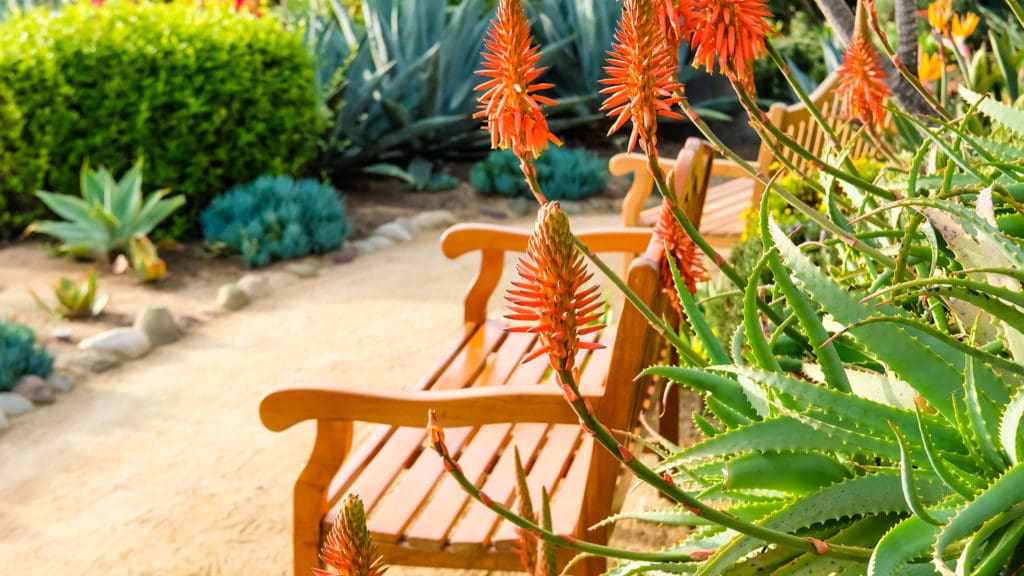
Let’s celebrate Nelson Mandela Day on 18 July in style by showcasing – the gorgeous, golden-yellowStrelitzia, appropriately named after Madiba as ‘Mandela’s Gold’. It flowers beautifully this time of year and is an amazing feature plant. Also, Aloes are out with striking spears of yellow, orange and red, adding some much-needed warmth to our gardens and patios during these cool July days.

The global lockdown was indeed a rather scary experience, but it also presented a golden lining with some much needed time for humanity to reflect on our impact on the natural world. How chilling it was to observe the rapid decrease in air pollution, the abundant return of many animals to urban areas, and the increase in sea-life activity around the world. Hopefully, this will help us all to deepen our appreciation of Mother Nature and whole-heartedly celebrate the International Day of the Conservation of Mangrove Ecosystems on 26 July, and World Nature Conservation Day on 28 July.

Trending – Life is a garden with water-wise Aloes

Gone are the days that Aloes were only seen on road trips as large shrubs growing on mountain slopes. We have a huge variety of spectacular Aloes bred for our patio pots and gardens. Breathe warmth into your winter garden and attract sunbirds and bees at the same time. Aloes range from dwarf forms like ‘Peri Peri’ and ‘Hedgehog’ to the multi-coloured ‘Charles’ and ‘Ballerina’, the rich colours of ‘Fireball’, ‘Andy’s Yellow’, ‘Gold Sparkle’ and many more. These sculptural plants have interesting leaf shapes and colours such as ‘Freckles’,which has grey tones and speckles, and Aloe striata, which has stunning pink-lined flat, grey leaves.  Treat yourself by visiting your local GCA Garden Centre and choosing one that blows your hair back.


Best veggies to grow in the winter

It may be a bit late to make a start on some of these veggies right now, but you can always plan for next winter too:

  • Baby spinach, which is all the rage in cooking and in salads, is available to sow from seed and plant from seedlings almost throughout the year.

January in the Garden Get your garden into shape

What better way to get your garden and health back on track and into shape then by sowing delicious leafy greens for those summer day salads. The following greens can be sown now:

  • Lettuce will always be a firm favourite.
  • Rocket is a trendy addition to salads and many other hot meals too. Its peppery taste is delicious and mild in the young leaves.
  • The baby leaves of both Spinach and Swiss Chard are increasingly being used in salads.
  • Baby beetroot leaves are a chic new addition to contemporary salads and cooking. They are just as yummy as they look on the plate.
  • Kale is a prized ingredient in many healthy smoothie recipes.

Leafy greens are very easy to grow and will reward you best if you pick the leaves regularly and pinch out flower buds later in the season. Be on the lookout for cutworm, snail & slug damage to plants. Aphids love the hot summer months as much as we do. While you are shopping for "table greens" grab a few "tiny leafy greens" like Mint, Basil and Parsley plants to complement the other leafy greens.

Tip: Last chance: Whilst, not a "green" you can still sow tomato seeds in the first two weeks of January – so rush out and sow.

Did you know that Basil and Tomatoes are great companion plants? This means that when planted next to one another, they both improve each other's flavour. We also know that they are great companions in food too.

What To Plant

January is always a good time to plant up areas with colourful seedling annuals. The "heat is on" so what better way to brighten up the garden and get it into shape than by planting these sun-worshippers. Some great choices to beat the heat will be:

  • Salvias will flower throughout the summer and autumn months.

Pots of flavour in small spaces

You don't need acres of garden to grow fresh salads and veggies. All you need is a balcony, patio or a postage-stamp of a garden, some good-quality terracotta pots, the right growing medium and a watering can, and you're A for away.  Life is a Garden offers these tips to assist you in creating the perfect container garden.

Why terracotta?

Whenever we're asked what containers to use on a patio, we tend to recommend a nice big terracotta pot or a matching set of terracotta pots. Why terracotta and not plastic? Terracotta pots are made of clay, and natural materials like clay tend to work better with plants. Terracotta pots can breathe, allowing air and even moisture to move through the walls, keeping plants healthier and helping to prevent fungal root disease.

Plants don't like sudden changes in temperature, and terracotta pots act as insulation, slowing down variations in temperature.

Weight is also an advantage – terracotta pots are heavier than plastic or wood, which is great when you've got a cat that keeps rubbing itself against your veggie pots and knocking them over!  Finally, terracotta pots get better and better with age, weathering and developing a beautiful patina that cannot be replicated.

What to plant?

Choosing what to plant can be overwhelming when you're starting out. Our first rule of thumb is to plant what you eat! There's not much point in growing coriander if the flavour offends your very being. But if you love cooking with other herbs, start by planting things like rosemary, thyme, mint and origanum.

Another thing we suggest is to mix things up a bit – don't be boring and grow only edibles. Beautiful ornamentals can do well in containers alongside their edible bedfellows, and some have the added benefit of being edible too. Viola flowers can be tossed in a salad, while the flowers of lavender and calendula have a range of uses.

Herbs Galore Potted garden

Nothing solves a no space in my garden problem like a potted garden.

If you have limited space, poor soil quality in your garden beds or dogs that like to dig – the solution to all these problems is to have a potted garden. Great herbs to include in your potted garden are:

  • basil
  • sage
  • rocket
  • oregano
  • thyme
  • chives
  • mint and coriander

Container herbs should get at least five hours of sun per day. The more sun they get, the better their flavour, health and resistance to pests and disease. Potted herbs should be watered more frequently than garden herbs because containers can lose moisture quickly, especially in the summer heat.

Herbs grow incredibly well in pots and having fresh herbs on hand, especially when entertaining is always a win. Imagine how handy it would be when you are serving homemade pizzas, whipping up a salad or offering a refreshing gin to your guests – to be able to wonder over to your potted herb garden and have all the fresh ingredients right there.

Click here for more gardening tips and trends or join the conversation on our Facebook page.