
Blooming in the Garden Agapanthus and Hydrangea


Blooming babes
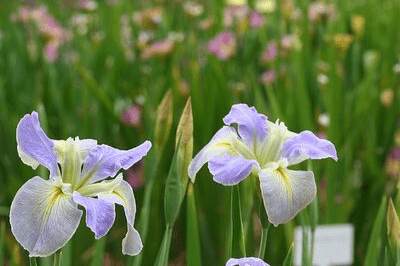

Louisiana Irises (Iris), and Waterlilies (Nymphaea) are beautiful and elegant water-loving, flowering plants.
Louisiana Irises (Iris) bloom from mid-September to mid-October – this is the prime-time to buy them in flower from your GCA Garden Centre.
They like to grow in full sun to semi-shade and will grow successfully in garden beds where they receive regular irrigation, preventing the soil from drying out. A thick mulch layer will assist in keeping the soil moist (not the mention all the other benefits such as suppressing weeds and feeding the soil). As Louisiana Irises naturally occur in swamps, ditches and other moist sites in the Southern USA, they are at their happiest when grown in a bog or shallow pond and make superb aquatic plants. They can also be grown in large pots with no drainage holes - creating a mini-bog.
Louisiana Irises have one of the most diverse range of colours of any Iris. After flowering, the spent flower stems on your potted Louisiana Iris, should be cut back and the plant can then either be planted into the garden or transplanted into larger containers, in both instances lots of compost should be added to encourage new growth for next season.


Festive Ideal for Indoors: Ravishing Festive Amaryllis Bulbs
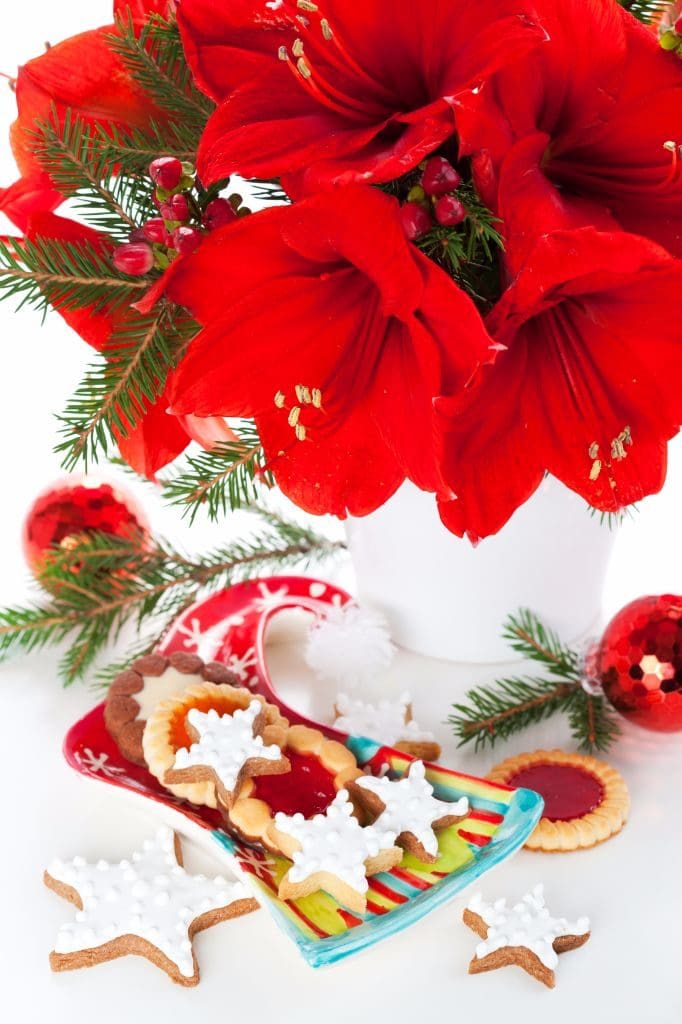
Of all flowering bulbs, Amaryllis are amongst the easiest and most rewarding to grow and flower – whether indoors or out. Amaryllis bulbs produce incredibly showy, trumpet-shaped blooms that add a flamboyant and bold statement to gardens and homes throughout South Africa.

The Amaryllis’ flowering period extends from spring through to autumn; conveniently coinciding with the festive and holiday season. Poinsettias are the traditional holiday flower – but Amaryllis bulbs have to be close on their heels!
The wide range of spectacular double and single red blooms, make this plant a festive winner over the holidays. Potted plants can be used as décor items, but also make long-lasting and stunning gifts for festive gifts and year-end gifts of appreciation.
There are several good reasons why you should give Amaryllis bulbs a try:
Like with all bulbs, Amaryllis store all they need to ‘bloom’ in their enlarged bulb. All that’s required is for you to plant the bulb and add water – then sit back and enjoy! For instant beauty, visit your local GCA garden centre and purchase a potted amaryllis.
Whether indoors or out, their key requirements are drainage and a sunny location.
Mixed colours and varieties in abundance – choose from an endless range of mini, medium or large flowering blooms in an endless range of colours – including whites, pinks, orange, red and more.
Longevity… Amaryllis bulbs flower within 4–6 weeks of planting. Most plants will produce flowering stems, which easily extends the growing period to 6–8 weeks.
The true ‘BONUS’ with Amaryllis bulbs is that they grow for many years. Bulbs can be stored in a dark, dry cupboard and replanted next season, or if planted into the garden – the bulbs will naturally regrow and flower, provided they receive enough sun and are watered regularly enough.
Herewith a few useful tips when growing Amaryllis bulbs indoors: 
Top heavy: Amaryllis blooms can be spectacularly large (and heavy).
February in the Garden


Eastern Cape
 Fuchsias need to be kept cool and well watered to get them through summer. Regularly check for red spider mites. Keep roses well watered, feed them and spray weekly against pests and diseases.
Prune evergreen hedges to keep them in shape and give lavenders a light trim to neaten them. Deadhead annuals and perennials so that they keep on flowering.
Hot tip:
Cut back herbs to encourage fresh new growth. Freeze or dry the snippets of summer herbs for use during winter. Bunches of herbs can also be used as insect repellents in your home. Mints deter most insects, including ants. Basil, rosemary and lavender keep flies at bay. Lemon-scented herbs such as balm, lemon grass and scented geraniums are great for keeping mosquitoes away. Tansy is good as a flea repellent.
Pinch out tomatoes and surplus squashes to get fewer but bigger vegetables. Feed fruiting plants such as peppers, tomatoes, eggplants and cucumbers to ensure a good crop. Sow spinach, globe artichokes, chillies, parsley, carrots, radish and rocket.
Do not garden without sunblock, a hat and a bottle of water close by!
Gauteng
Keep azaleas and camellias well watered to ensure a good show of flowers in winter and spring. To promote lots of blooms feed with 5:1:5 or 3:1:5. Mulch with bark chips to create an acid medium.
Sweet peas can be sown now. Prepare a trench with well-rotted kraal manure and add a lot of compost, bonemeal and an organic fertiliser to the soil.
Tips for beautiful bulbs


The magic of bulbs

Plant spring-flowering bulbs in April for a stunning garden display in September!
Spring-flowering bulbs provide the garden with a touch of magic. They might not look like much when you buy them, but those little bulbs hold the promise of enchantment to come. Throughout winter, they will busily grow, ready to push their green shoots through the bare earth in a few weeks’ time, and then show off their glorious blooms as spring arrives. Life is a garden filled with this magic, and now is the time to do your planning, planting and purchasing of spring-flowering bulbs.
Bulbs will available in garden centres from the end of March until the end of April. Packaged bulbs have clear instructions for the time of planting, planting depth, height of growth and light requirements, but here are some great tips for bulb success…
Choose the right spot
To get the best from your bulbs, plant them where you can enjoy their glorious display to the full, either in a border in full view of the house, or in containers on the patio. Remember that anemones, ranunculi and indigenous bulbs (except freesias) like a position in full sun, daffodils prefer morning sun, or partial sun, and freesias, hyacinths and grape hyacinths prefer semi-shade.

Remember that spring-flowering bulbs don’t fare well in areas with excessive heat radiation as they prefer cool soil. Avoid areas long driveways, paths or sunny walls unless you can provide some form of protection from the heat. Daffodils, tulips and hyacinths are particularly susceptible.
Have a planting plan
Only plant spring-flowering bulbs once summer’s heat has left the soil – usually after Easter. Remember that tulips, however, should only be planted in May. Find out the height of the bulbs when in flower – the packaging on the bulbs will give you this information.
Pottering with Amaryllis

There are few things more rewarding (not to mention educational) for children than growing their own amaryllis bulb. And you can do it just in time for Christmas too!

What you’ll need:
- Amaryllis bulb (plant your bulb as soon as you purchase it!)
- Pot/container with a drainage hole (not plastic)
- Potting soil
Step 1
Picking out your amaryllis bulb and pot should be done at the same time because the bulbs can vary in size quite drastically. Once you’ve decided which one you’ll be planting, pick a pot that is 3-5cm wider than the diameter of the bulb and that will allow about the same amount of space below the bulb once planted.
It’s important to understand that amaryllis bulbs don’t only need enough space in their pot, but that they are also top heavy when in bloom so the bigger the bulb, the heavier the pot should be to avoid it toppling over later on. Plastic pots are a definite no-no.
Don’t forget to pick up some potting soil while you’re shopping. It is preferable to select a soil that drains well, is light, nutritious and contains no tree bark or fresh manure. Indoor potting soil normally fits these criteria quite nicely.

Step 2
Grab your amaryllis bulb, pot and potting soil and let’s get started. Amaryllis bulbs have quite impressive roots hanging off the bottom of them so it should be easy to see which side goes into the pot. Let the roots hang down into the pot while you use a spade to pour soil in around them.
Remove any air pockets around the roots by patting down the soil very firmly, securing the bulb snugly so it won’t lean over to one side when the heavy flowers start blooming.


Step 3
An essential part of planting an amaryllis bulb is to remember not to plant it too deeply.
Bulbs

Bulbs that flower at summer time include Eucomis autumnalis with cylindrical spikes of green, cream or purple flowers and a ‘topknot’ of leaf bracts, giving rise to their everyday name of pineapple lily. They make an attractive and unusual grouping under trees.
Nerine

Amaryllis belladonna
The umbels of rose-coloured flowers of the March lily (Amaryllis belladonna) appear in late summer and early autumn before the leaves. This is a true bulb that resents disturbance and may not flower for several seasons after transplanting. Nerine bowdeni, with tall stems of pink flowers is best planted in groups with bulbs just below the surface of the soil. Only divide and replant when clumps become overcrowded, as the plants take a while to settle down.
Winter wonderland


