
Autumn Soil Reset: Build Healthier Garden Soil for Spring
Introduction
How South Africans can build healthier soil for future growth.
Good gardening always starts with the soil. Although we can’t see it, underneath the surface lies a multitude of processes that are essential for plants to grow well and, in the case of food crops, provide the best yields.
Why soil health is important
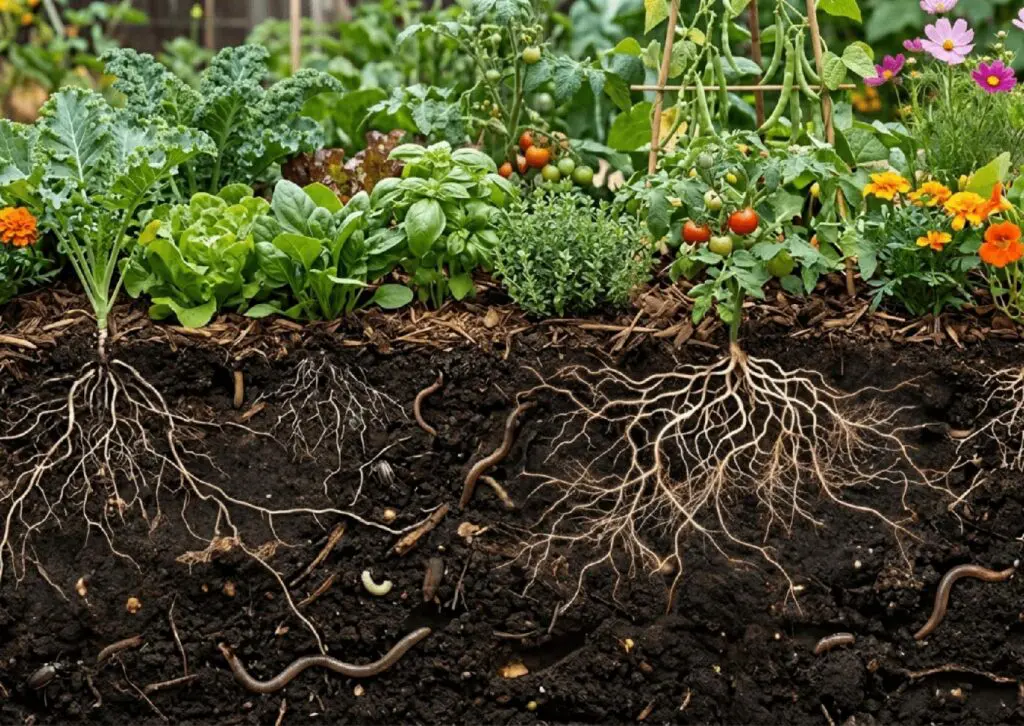
Soil consists of mineral particles, organic matter, water and air, but it’s the microbes, bacteria, invertebrates and fungi that make it alive. These hard-working organisms are responsible for breaking down organic matter and improving soil structure, so that nutrients, together with water, can be absorbed by plant roots and transported through the plant’s stems and leaves to the whole plant.
Ensuring that the microbes in the soil are healthy and increasing in number can significantly improve the health of your soil and your plants. Healthy plants are less stressed, and less stressed plants are mostly pest- and disease-free.

How to increase microbes
Just like humans, all the different microbes and organisms in the soil need food and water to survive and increase in population. The simplest way, then, is to feed them with carbon-enriched materials. This can be in the form of adding organic matter such as compost, leaf mould, and well-rotted manure, either dug into the soil or left on top as mulch to slowly leach into the soil. Kitchen scraps can also be beneficial, either dug straight into the soil or added to a composting process.
How much to add will depend on the initial health of the soil, but as a rule, always mulch, always add plenty of organic material at planting, and have a regular feeding schedule in place to continue feeding the soil.

Simple ways to test soil
Knowing what type of soil you have will go a long way in knowing how to improve it.