
An Abundant Autumn Harvest


April in the garden Everything is awesome in April


Happy second month of autumn, gardeners! Although it’s getting colder, the landscape is truly warmed up by the rich colour pallet around us. With many plants going into hibernation, cool-season flowers are only just waking up and getting ready to treat us to their colourful charm. It’s time to sort out some pre-winter maintenance and prep the veggie patch for soups and stews.
Awesome flowers to plant
- Towards the end of April is the perfect time to plant striking indigenous bulbs like watsonia, freesia, ixia, chincherinchee and Sparaxis. For non-indigenous bulbs, try daffodils, irises, tulips, and hyacinths.
- For colour and charm, go for primula, poppy, pansy and gazania seedlings, as well as perennials such as lupins, Shasta daisies, and aquilegias.
Planting new roses now will allow them to ‘settle in’ during winter and gain a head start in spring. Continue to spray your roses against fungal diseases such as mildew and black spot.


Awesome plants to sow
- Flowers that can still be sown are osteospermum, mesembryanthemums, winter scatter packs and the indigenous scatter pack mix. Individual varieties include Virginian stocks, calendula, and Felicia.
- Veggies to be sown now include peas, parsnips, carrots, onion Texas Grano (short day variety), beetroot Bulls Blood, and broccoli.
- For a winter production of healthy herbs, start sowing seeds in windowsill containers. High light is all that’s needed for a good crop with a reasonable indoor temperature.
Top tip: Guard against leaving containers on windowsills overnight as cold glass may harm plants.
Awesome to spray
- Aphids will still be around this time of the year, although their numbers will be less than in spring. Give your flowers a close inspection and if there are still a few around control with Plant Protector.
-
- Snails and slugs devastate leaves on plants and ruin their appearance. Snailban and Snailflo are just two of the products which you can purchase from your GCA Garden Centre as a solution.
Easy and Efficient Rain Gardens DIY

After so much wonderful rain, there couldn’t be a better time than now to invest in a rain garden. Creating one is simple and is all about location, soil, and plant selection. Follow Life is a Garden’s guide on how to grow a functioning rain garden to prevent flooding, curb water runoff, and play your part in reducing pollution.
A swamp or sanctuary?
Besides adding stunning décor features to the landscape, rain gardens are super useful and easy to maintain. However, a rain garden is not a swamp and there are some important elements to understand when creating one. Have a look at these key differences:
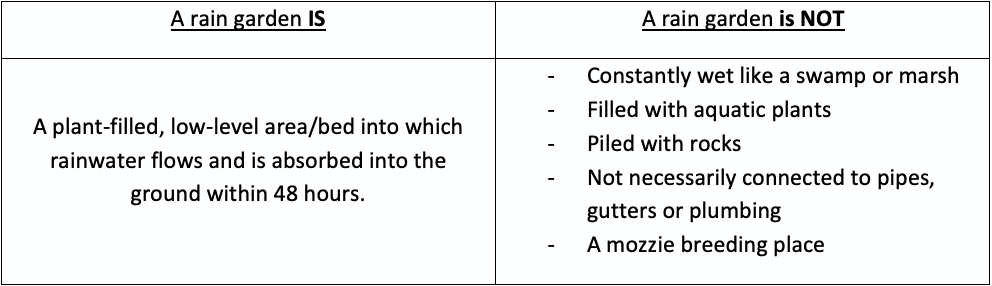
Sip on this → By temporarily holding and filtering all incoming water, a rain garden diverts rainwater from directly entering a municipal stormwater system AND prevents polluted water from directly flowing into streams and rivers – amazing! Another win for the backyard eco-warrior!
Location is key
The first factor to consider when planning your rain garden is where to dig your bed. When in an optimal location with appropriate plants, your rain garden will act like a sponge and natural filter that absorbs and collects all incoming water, cleans it, and then percolates it slowly into the surrounding soil. You can also grow multiple smaller rain collecting beds as there is no limit to the size or amount you can have in a space. Ideally, look for areas in the garden that:
- Are naturally lower-lying spaces (downhill, at the bottom of slopes, ditches). If your garden is flat, however, dig a trench to direct rainwater or install gutter/irrigation pipes and slabs to navigate water flow straight to the rain garden.
- Areas that receive full or partial sun.
- Near a runoff source would be ideal (downspouts, driveways, rooves, gutters).
- At least 3 metres away from a building (to avoid deteriorating foundations).
Living Mulch Garden Mastery: Living mulch

Life is a Garden invites you to bring your soil to life this March with mulch that’s teaming with both micronutrients and gorgeousness. With our special selection of plants, you can grow living, eco-optimal mulch solutions that will super-charge your soil, save time and money, and increase the beloved biodiversity in your garden.
Know your options
Depending on your personal style, gardening goals, and landscaping purposes, you may be drawn to using different mulch options in specific parts of the garden. Which mulch suits your needs best?
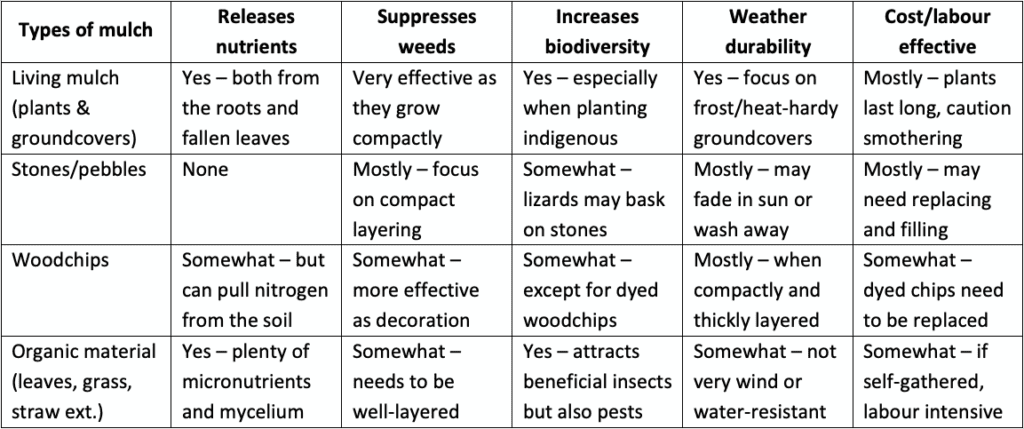


Bring your soil to life
Living mulch mimics a forest floor with an ever-growing protective layer of foliage that keeps soil temperature cool in summer and warm in winter. As plants loose leaves, organic, biodegradable matter is added to the micronutrient hot pot, increasing good bacteria and homing insects.
Living mulch is especially advantageous for:
- Filling large barren areas and beds
- Creating thriving plant communities
- Diversifying plant species
- Protecting edibles in the veggie patch
- Saving you money as plants multiply
- Optimal moisture retention
- Full, lush landscaping
- Increasing and sustaining biodiversity
Take caution of smothering
Using living plants as mulch means that they will grow, of course. Take caution against accidental smothering of your other crops and adapt your plant choices arrestingly. Here are some tips:
- When planting living mulch in full sun, hot/dry climates, plant compactly to fully protect the soil.
- In cool/wet climates (or in shaded areas), plant living mulch with a bit of space between the plants to allow excess moisture to escape and to allow each plant to spread out and access more sunshine.
- When in doubt, use fewer living mulch plants in the vegetable garden and go for beneficial companion plants that won’t shade out the crop in question or interfere with its root system.
Did you know?
LIAG Press Clippings – January 2022

Life is a Garden received press coverage to the amount of R 1 653 638.12 in the month of January. The below spreadsheet shows the total press coverage that Life is a Garden received in the month of January 2022.
To view the Life is a Garden – January “Redbook” actual press clippings, please click here: https://bit.ly/32PVb6R
Press Report of January


Marketing Snapshot

Living Mulch


Style your Bougie Get the best from your bougainvillea


The bougainvillaea is an all-time favourite in the garden and never disappoints in the bold colour, daring height, and textural intrigue they bring to spaces. Get the best from your bougie this month with Life is a Garden’s insights on pruning styles, container planting, fertilising, indoor growing, caring tips and more.
Planting tips for youngsters
Available in red, purple/mauve, white, yellow, orange, magenta and many shades of pink, bougainvillaeas are simply stunning but rather sensitive when young. As adolescence, bougies have easily damageable, brittle root systems. When planting, we recommend wetting the soil thoroughly before transplanting from the nursery bag or container. Do not loosen the soil away from the roots during this process to avoid transplant stock that really takes its toll on new arrivals.
Top tip: Bougainvillaeas love warm, sunny spots with well-drained, rich and loamy soil. They prefer infrequent but deep watering.


Styling and bougie training
Bougainvillaea plants are essentially creepers, but with nifty pruning, they can be trained to grow into several styles and shapes. Teach your bougies to grow into neat formal hedges using mesh or wooden trellises. In smaller gardens, they can be controlled by frequent pruning and even styled into ball shapes called superballs or standards. Depending on the size of the ball or the height required, bold bougie columns can also be created and are real show-stopping décor elements.
Top tip: Go for low-growing varieties and experiment with hedging styles and wall cover-ups. Remember to use string to tie down your bougies while still in training school.
Pruning yay’s and nay’s
Pruning should be carried out once your Bougainvillaea has finished flowering. This encourages new growth upon which the next flush of fabulous flowers will grow. A good general rule is that regular light pruning will keep them in good shape with near constant regrowth and banging blooms.
A hot and handsome February February Checklist


The heat is on this Feb and that means three things for the summer gardener:
- Mulch-up to the max
- Smart water-wise gardening
- Exciting heat-loving plants to grow
Life is a Garden has all you need to help you beat the heat and ensure your beloved plant children not only survive, but thrive in our African summer sun. Take care of your lawn, feed and spray, sow and grow, and keep your containers hydrated.
What’s so magical about mulch? Leaves bark chips, macadamia shells, compost, and pebbles are all considered mulch. The magic of mulch is that it keeps the soil and plants’ roots cool, thereby decreasing evaporation and increasing water retention. That’s less water consumption for the Earth and less time spent on watering for you! #winwin


Sexy veggies
To sow: Spinach, globe artichokes, parsley, carrots, radish, cauliflower, celery, cabbage, oriental vegetables, sweet basil, coriander, nasturtium, and flat-leaf parsley.
To plant: Bush beans, onions, spinach, lettuce, carrots, beetroot, and Swiss chard.
To tend to: Remove summer vegetables that are coming to the end of their productive cycle to make space for the next seasonal harvest. Add compost to veggie beds and make sure your soil is nice and loose, and reloaded with nutrition.
To prep: It’s time to prepare beds for winter and spring crops. Plant your first crop of seed potatoes for an early winter harvest.
To remember: Don’t forget about companion planting as your secret pest and pollination weapon. Increase your crop yield and utilise the bad-bug-repelling power of flowers. Learn more here.


Flirtatious flowers
Primetime babes: Bougainvilleas, hemerocallis (daylilies), variegated and green foliage plants are showing off their charm this month. Yours may need some TLC if they’re not popping by now.
Sweetheart sowing: Amazingly fragrant and fuss-free sweet peas are ready to be sown from seed packets available for your nursery.
DIY Living chessboard DIY


Take your gardening skills to new heights with this creative DIY living chessboard! With plants as chess pieces and striking black and white colours, your garden is guaranteed to grab attention, invite engagement, and spark plenty of conversation. In addition, you’ll get to add a couple of really special beauties to your collection that you otherwise may not have considered.
Let’s talk tiles
Get your hands on some large black and white tiles, available at your GCA Garden Centre and local home depo stores. When choosing tile slabs, go for ones that are nice and big as they will need to stand out when your pot plants are placed on top of them. You may also want to consider tiles with a protective layer to prevent scratches, or go for concrete slabs and simply paint them yourself using good quality water and weather-resistant paint.
Top tip: While you’re out, grab an easy clean mop or broom to keep near your chess set to ensure it’s always play-ready and looking neat.
Try this: If you’re strapped on space, you could always create a mini version of this game with tiny pots and succulents. Play on a table or transform the courtyard.


Pots and pawns
Your traditional chess pieces will be pot plants, of course! Go for containers with good drainage made from lightweight materials that won’t be too heavy to move. A lovely selection of pots is available at your GCA Garden Centre with treated compost and potting soil to go with them. If you’re on a budget, you could always go for inexpensive plastic containers and paint them instead. Don’t forget your saucers to avoid messy spillages during watering.
Top tip: To keep track of which plant represents which chess piece, don’t move the pot saucers from their original placement when playing.
COMPOST FOR ACID LOVING PLANTS Feature Diamond Sponsor – Bark Unlimited

Did you know that some plants prefer acidic or “sour “soil and other love ‘’sweet” or alkaline soils? In this article we will be focusing on acid loving plants and explain the difference between acid and alkaline soils.
First let me explain what acidic or alkaline means and how it is measured.
The measure pH (power of hydrogen) is used on a scale from 0-14 to indicate how sweet or acidic soil is. Before we get to scientific, just remember that a pH7 is neutral, anything above is alkaline (pH8) and anything below is acidic (pH6). If the pH goes too high or too low certain elements in the soil becomes unavailable to our plants and will cause nutrient deficiencies. Although most plants grow very happily in soil with a pH7 – pH8 there are some exceptions that need acidic soil with a pH6 or even lower. These are plants like Azalea, Rhododendron, Camellia, Zantedeschia, Brunfelsia, Gardenia and Hydrangeas of which the latter’s colors can be manipulated by raising or lowering the pH of the soil. Blueberries and roses also appreciate acidic soil.


How can I lower the pH of my garden soil?
It is much more difficult to lower the pH of soil than it is to raise it. A few natural ways are to use your discarded coffee grounds, Oak leaves, or Pine needles. Layer these on top of the soil and do not dig them in as it will rob the soil of nitrogen once it starts decomposing. This must be applied to the soil on a regular basis as soil tends to revert back to pH7 or neutral. Should you not have these items readily available or save yourself the hassle of collecting it, you can always go to your local garden center and purchase a couple of bags of Acid Compost.
Give your lawn the summer vita-boost it needs Feature Diamond Sponsor – Wonder
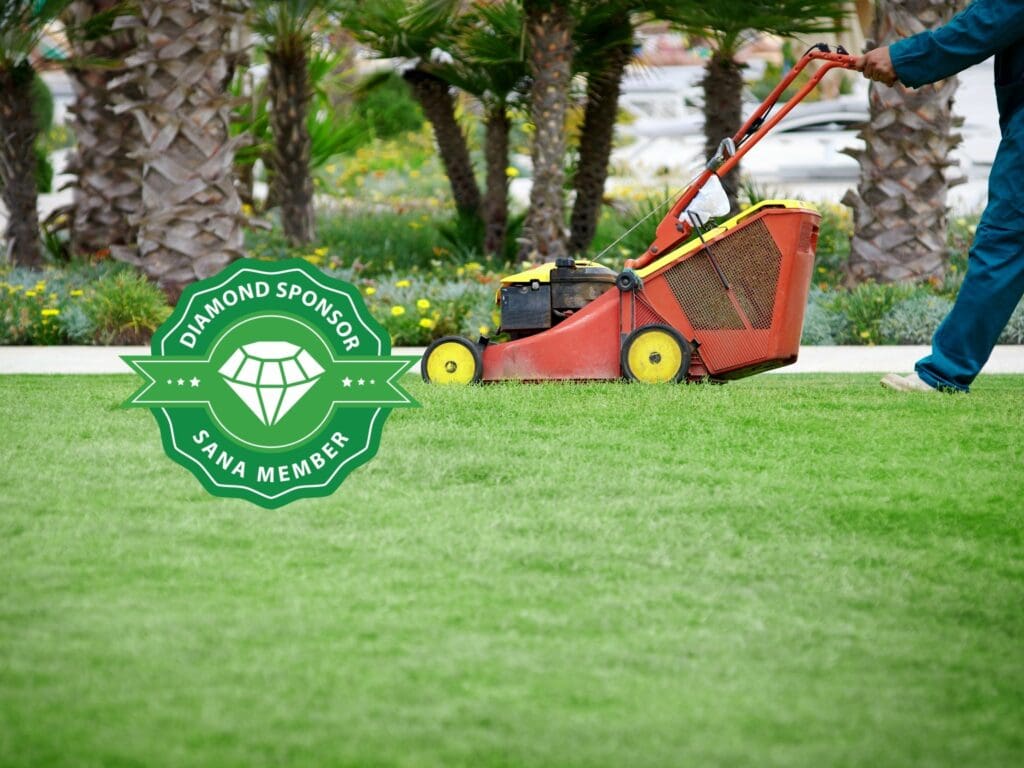
Summer lawn care is all about the right mowing height and fertiliser. If you want to enjoy glorious green blades this season, the tips below might come in handy.
4 Tips for growing a luscious summer lawn:
- Set your mower to a high cutting height, as longer, thicker grass wears better in the summer heat. And wards off weeds too!
- Rake up grass clippings and dead leaves, and move them to your compost heap. This way the grass will be able to absorb as much sunlight as possible for photosynthesis.
- Water your lawn regularly, and fertilise with Wonder Organic Vita-Boost Vermicompost for a bi-carbon boost.
- Watch out for broadleaf weeds. If your lawn is being invaded, fertilize your lawn first, and then spray with herbicide two weeks later.


Northern Clivia Club

Chairperson: Joubert van Wyk
Chairperson Contact Phone: +27 (0) 833077707
Contact Email: jjvwyk@iafrica.com or secretary.nck@gmail.com
Website: https://cliviasociety.com
Facebook: Northern Clivia Club
A Club that promotes all things related to the plant Clivia, Annual shows, members meetings and workshops are held throughout the year.
LIAG Press Clippings – December 2021

Life is a Garden received press coverage to the amount of R 1 223 349,15 in the month of December. The below spreadsheet shows the total press coverage that Life is a Garden received in the month of December 2021.
To view the Life is a Garden – December “Redbook” actual press clippings, please click here: https://bit.ly/3G0Atjb
Press Report of December

Marketing Snapshot

Summer Checklist


Get your garden into shape January Checklist


Get your garden into shape and looking snazzy for the new year. There’s a lot to look forward to and a huge selection of flowers and edibles to be planted now. A little maintenance goes a long way in neatening up your garden’s appearance, so be sure to check out our handy hacks.
Sow a salad
What better way to get your garden and health back on track then by sowing nutritious leafy greens for those summer salads. The following edibles can be sown now:
- Lettuce
- Rocket
- Spinach and Swiss Chard
- Beetroot (baby leaves are delish)
- Kale
Top tip: Leafy greens are very easy to grow and will reward gardeners best if you pick the leaves regularly and pinch out flower buds later in the season. Be on the lookout for cutworm, snail and slug damage to plants.


Plant a paradise
January is always a good time to plant up areas with colourful annual seedlings. The heat is on so brighten up beds by planting these sun-worshippers.
- Salvias flower throughout summer and autumn. Their upward-pointing sword-like blooms range from fire engine red to purple, deep blue and other powdery colour variations. They are waterwise and easy to grow in pots too.
- Snapdragons offer striking colours and multiple blooms that stand to attention and are simply charming. Dwarf varieties are great as pot or hanging basket fillers. Keep plants moist while young and they’ll reward you by continuing to flower into winter.
- Petunias don’t need special treatment or a lot of water either. Flowering increases as they grow, putting on a spectacular show of colour when mature. Petunias love the mild winter months too and will carry on growing in this time.


Indoor peace parade
- The peace lily (Spathiphyllum wallesii) can grow in low-light conditions, which effectively means that it can thrive almost anywhere in the home.
Making Paint from Flowers DIY


Can you sing with all the voices of the mountain? Can you paint with all the colours of the wind? The stage is set for your first DIY of the new year, and gardeners – it’s blooming! We’re sure both you and the kids are eager to get back to school, so let’s make sure we send them off with some positive flower power. Here is Life is a Garden’s top activity to end off the holidays.
Pocahontas’s secrets
Did you know? The lotus flower was first used to represent the sun in Ancient Egyptian art and has since become a popular symbol of peace in yogic/health practices. During the Medieval and Renaissance period, painters and sculptures used flowers as an important motif to convey a certain meaning to audiences. The oldest archaeological evidence of paint making was found in the Blombos Cave in South Africa and was dated at 100,000 years old! Paint made from plant oils was also an essential part of Native American storytelling, on cave walls and on the body. Our girl Pocahontas is well known for illustrating the deep connection these ancient tribes had with Mother Nature.
Collecting your colours
The first ingredient you need is some flowers, of course! Gather a colourful collection from the garden or pop down to your GCA Garden Centre to choose from the huge selection of summer bloomers. Try to get a variety of different flowers as some are more pigment-rich than others, resulting in a brighter or more pastel colour. Try these colour-popping picks: Daisies, Fuchsia, Hibiscus , Roses and Salvias.

Terrific gift tip: We know that January can be a tough month, on the budget and also for all those with birthday’s this month. Purchase plain white craft paper, fold it as a card, and get the kids to use their amazing flower paint to decorate it with.
Growing and caring for clivias Garden Mastery


Clivias are one of South Africa’s indigenous super stunners and have become quite the collector’s dream. Luckily, you don’t have to be a horticulturist to grow these distinguished plants, just some garden mastery know-how from Life is a Garden. Learn how to correctly harvest clivia seeds, how to grow them, and how to provide long term care for your elite lovelies.
The clivia craze
What’s so special about these plants anyway? For starters, they produce simply exquisite trumpet-like, fragrant flowers with dramatic blooms in sunset shades, both as solid colours and as delightful bi-colour varieties. Owing to their lengthy germinating time (one year from seed to pot) they’ve rightfully earned their place in the professional landscapers garden. Up for the challenge? These beauts can be grown as hero houseplants in a well-lit area, in shaded beds, or in pots on the patio with no direct sunlight. They thrive in rich potting mix with good drainage. Clivias are most active from autumn to spring, but they’ll retain their dainty evergreen foliage all year round.
Top tip: Garden centres are stocked with a truly splendid variety of potted clivias to choose from. Ask the friendly nursery attendants for guidance on what soil mixes to use in beds and pots. They’ll also be able to give you recommendations on fertilisers to give your prized clivias that extra boost.


Growing clivias from seed
There are two ways to get your green fingers on some clivia seeds:
- Pop down to your GCA Garden Centre and purchase a seed packet.
- Wait for established clivias to produce berries, which contain seeds.
When clivia flowers are pollinated they produce large red berries. Pick your berries as they begin colouring then pop them onto the operating table and follow these steps:
- Use your thumbs to break open the berries and then remove the insides.
Your nutritious, sweet summer grow guide


The garden is a trove of juicy treasures this time of year with an abundance of deliciousness to be grown. There’s something for even the fussiest of eaters and plenty of brag-worthy produce to harvest. Dash down to your local nursery for seed packets and seedlings trays and begin your nutritious, sweet summer gardening adventure today with Life is a Garden!
Starting off on the right root
Remember to use prepared compost and potting soil from your nursery as these products have been treated for bugs and weeds. A wide range of fertilisers for edibles is also available to help your produce grow strong roots and yield more yummies. Always check the back of seed packets for sowing information and the labels on seedling trays and pots for planting instructions.
Fruit to fall in love with
Nurseries are stocked with a selection of fruit trees, seedlings, and seed packets for you to sow and plant now. Stay hydrated this summer by growing these water-rich, nutrient-dense fruits:
- Tomatoes – 94% water and high in lycopene, which helps protect cells from damage.
- Watermelon – 92% water and soaked with nutrients, antioxidants, and amino acids.
- Strawberry – 92% water, sodium and cholesterol-free, packed with fibre and low on calories.
- Cantaloupe melon (spanspek) – 90% water and 100% of the recommended daily vitamin C.
- Papaya – 88% water, aids digestion, helps with weight loss, and is loaded with vitamin A.


Super-charged veggies to chomp
Sow from seed or grow from seedling! These health-boosting, hunger-busting veggies are ready to go into the ground now:
- Beetroot - rich in folate (vitamin B9), which helps cells grow and function well.
- Capsicum - loads of vitamin C that’s important for the absorption of iron in the body.
- Leeks - low in calories and high in nutrients such as magnesium and vitamins A, C, and K.
Vertical Gardening


Attention all small-space, bedless green fingers! Here’s your chance to grow vegetables, herbs, flowers, and foliage without a garden. Take your passion to the walls and grow your heart out with these nifty vertical gardening ideas. Bring your patio to life, suspend your edibles, dare to go soil-less, and have some fun with hanging baskets.
Geometric Greenery
A bare patio or balcony wall is prime location to begin your first vertical gardening project. You’ll need a drill and screws to secure pots against the wall in your desired shape/layout. Try an elegant symmetrical grid style, leaving a pot-width space between each container (4 pots across by 4 pots down is a good start). You can also experiment with circle pot arrangements, horizontal lines, or a diagonal pattern with cascading creepers in the top pots.
Plant picks: 'Compact Royal Jewels' Lobelia for a flowering spiller, English Ivy for dramatic trails of leaves, and 'Versa Green Halo' Coleus for an exotic-looking mound.


Soil-less Hydroponics
Dare to be different with an intriguing water-based, soil-less garden. Hydroponic planting gives you complete control of the environment, minimises pests, boosts plant growth, saves water, eliminates weeds, AND gives you eye-catching, living décor. There are a variety of hydroponic growing kits available, not only for vertical growing. Consult your garden centre advisor for different installation options and nutrient formulas.
Plant picks: Almost all herbs, leafy veggies such as celery and lettuce, fruits such as Key limes and avocados, and indoor ornamentals such as Philodendron, Peace Lily, Chinese Evergreen, and Spider Plant.
Hanging Around
Hanging baskets are ideal space-savers that add texture and life to baren corners, on the patio or indoors. Use a chain to hang containers from the roof (climbing plants will play up the chain and spill over the edges), or try half baskets attached to the wall with an added trellis behind them for trailing plants.
Protecting trees, shrubs and flowers Feature Diamond Sponsor – Efekto
Pruning and sealing
Not only does pruning promote new growth, but it also increases fruiting powerand capacity, ensuring the health of your plant. Throughout the season, taking your pruning in stages.
In early spring:
Prune grapes beforetheir sap starts to move in.In warmer areas, this may be your last chance to prune (like coastal Durban) but in warmer areas (inland or mountain regions), it can be done as the weather warms.
Top Tip* Avoid pruning peaches, plums and almonds while winter is still lingering because it can spread the silver leaf virus.
In late spring:
Prune back your citrus to open up the framework of the plant. By removing old growth, you are allowing more light into your plant or tree and also remove any diseased or dead wood.
As for your flowers prune back camellias as soon as they finished flowering. For extra assistance for a thorough clip and cut, refer to our pruning guide and arm yourself with Efekto Sterisel.This fungicidal pruning wound paste is designed to assist your pruning projects on all your roses, grapevines, shrubs and fruit trees.
Garden Guru Tip
For this season, in particular, protect your stone fruit treesby spraying with Efekto Virikop to protect them from leaf curl disease, with a once-off application after pruning.


Protection against mildew, black spot and aphids
Once you’ve clipped back your old growth, it’s time to eliminate any residual pests and stop new ones from moving in. Spray your deciduous fruit trees with a winter clean-up spray, like Efekto Kumulus WG and Efekto Oleum, to remove any overwintering pests and diseases.
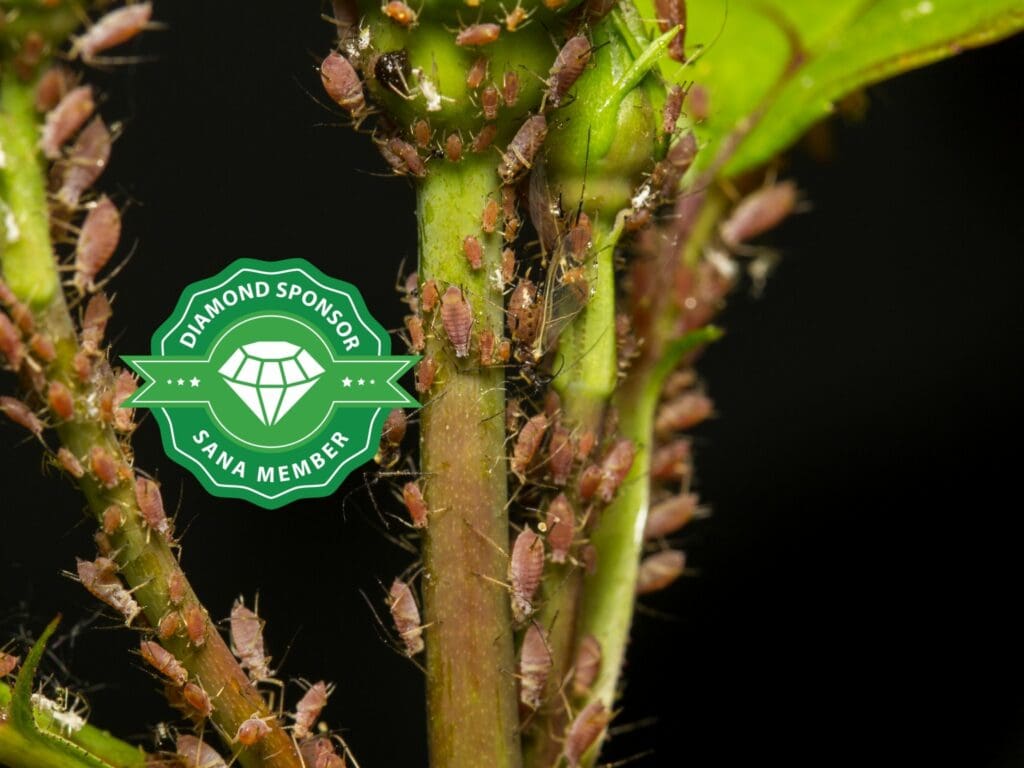
Aphids
In warm areas, aphids may begin to appear on fresh new shoots. They can be identified by their small, pearshaped soft bodies, usually green to black in colour.You will notice them in small groups called colonies on leaves and new growth.