
Potting Soil vs Garden Soil vs Compost: What’s the Difference & When to use Which
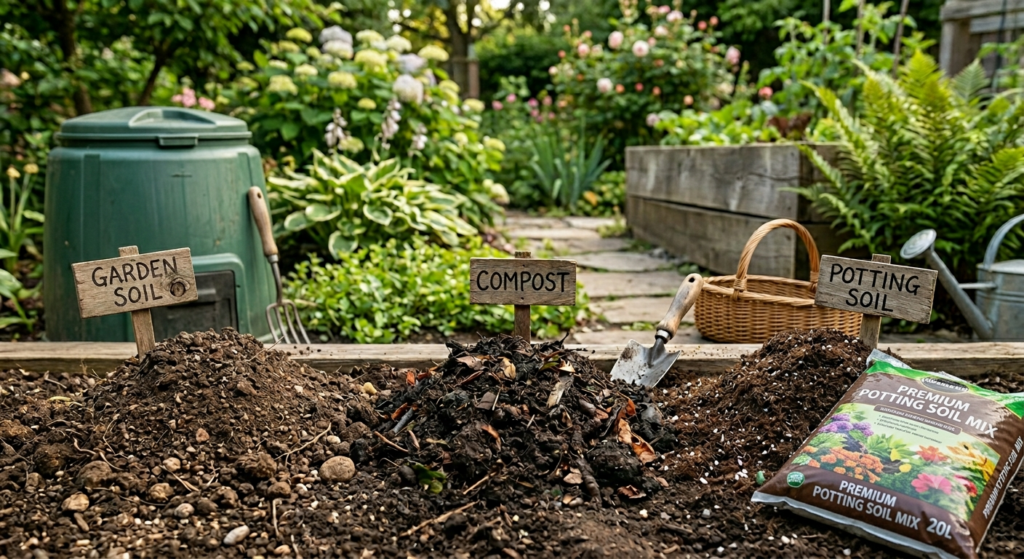
When we first start gardening, it just seems logical that we can dig up some garden soil, put it in a pot with a plant, and it’s all good. Also, compost is surely only for golf courses and parks? As we learn more about gardening, it becomes clear that not all soil is equal. Let’s put them into their boxes and explain just why each is important.
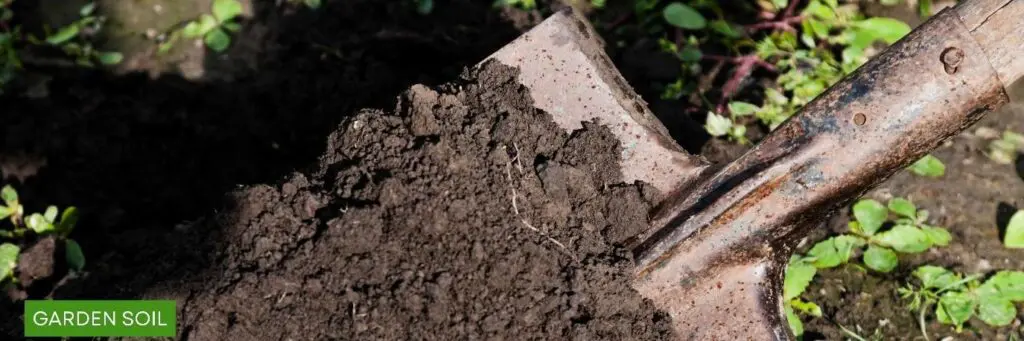
Garden soil
Garden soil is what we start with and then improve as time goes by. The reasons for the improvements are simple: the more microbiome (good bacteria and fungi, among others) you get into your soil, the healthier and more productive a garden can be. It also doesn’t need to be complicated. Certain practices will help you achieve better soil just by keeping them up regularly.
When planting anything, first address the soil. Add plenty of organic material like compost or leaf mould, along with bone meal or superphosphate and a handful of slow-releasing organic fertiliser to the planting hole. This helps plants get established properly before they require feeding.

Make use of organic mulches. Things like leaves, grass, wood chips and compost all protect and feed the soil underneath. As mulches break down, they release nutrients into the soil, which simultaneously prevent moisture loss through evaporation, keep weeds down, and maintain consistent temperatures, preventing plants from becoming stressed. Mulching is one of the easiest things to do in the garden to increase the soil’s biome. Simply lay it on top of the soil, keeping it away from plant trunks or stems, and it will get to work.
Growing more plants to cover any bare soil is also an excellent way to improve the soil. The roots of plants provide the sugars microbes need to survive, so it stands to reason that the more roots in the ground, the better the diversity of microorganisms.
Autumn Soil Reset: Build Healthier Garden Soil for Spring
Introduction
How South Africans can build healthier soil for future growth.
Good gardening always starts with the soil. Although we can’t see it, underneath the surface lies a multitude of processes that are essential for plants to grow well and, in the case of food crops, provide the best yields.
Why soil health is important
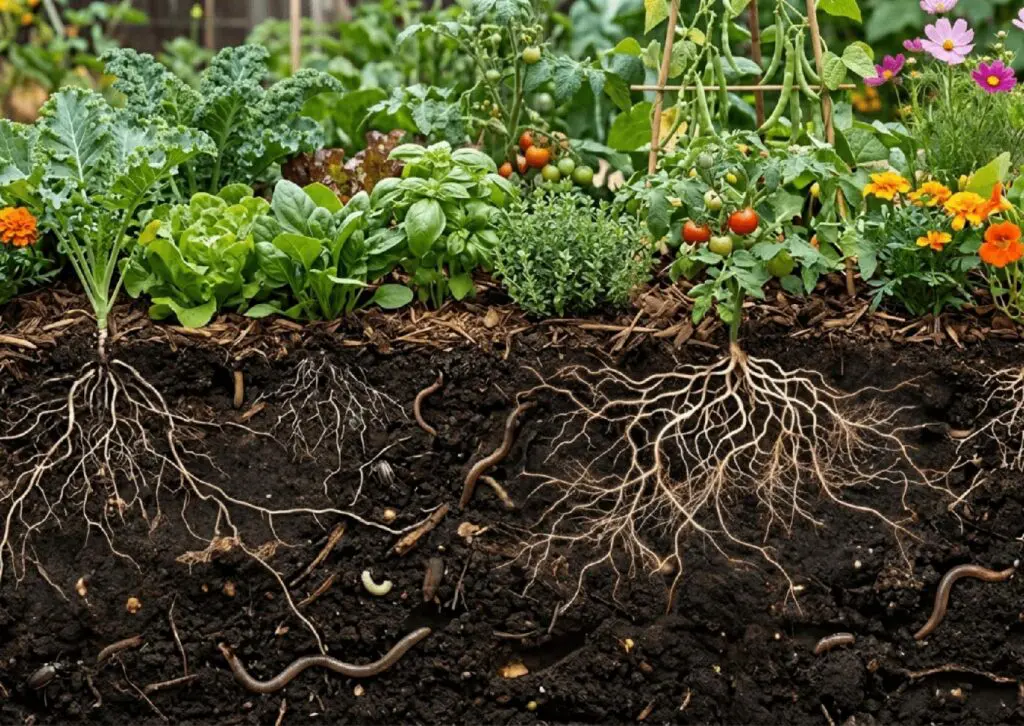
Soil consists of mineral particles, organic matter, water and air, but it’s the microbes, bacteria, invertebrates and fungi that make it alive. These hard-working organisms are responsible for breaking down organic matter and improving soil structure, so that nutrients, together with water, can be absorbed by plant roots and transported through the plant’s stems and leaves to the whole plant.
Ensuring that the microbes in the soil are healthy and increasing in number can significantly improve the health of your soil and your plants. Healthy plants are less stressed, and less stressed plants are mostly pest- and disease-free.

How to increase microbes
Just like humans, all the different microbes and organisms in the soil need food and water to survive and increase in population. The simplest way, then, is to feed them with carbon-enriched materials. This can be in the form of adding organic matter such as compost, leaf mould, and well-rotted manure, either dug into the soil or left on top as mulch to slowly leach into the soil. Kitchen scraps can also be beneficial, either dug straight into the soil or added to a composting process.
How much to add will depend on the initial health of the soil, but as a rule, always mulch, always add plenty of organic material at planting, and have a regular feeding schedule in place to continue feeding the soil.

Simple ways to test soil
Knowing what type of soil you have will go a long way in knowing how to improve it.
Who is Life is a Garden?
What does Life is a Garden do for you?
Benefits of growing with Life is a Garden

Life is a Garden in the Community #67Minutes Read more here
 Read more here