When we first start gardening, it just seems logical that we can dig up some garden soil, put it in a pot with a plant, and it’s all good. Also, compost is surely only for golf courses and parks? As we learn more about gardening, it becomes clear that not all soil is equal. Let’s put them into their boxes and explain just why each is important.
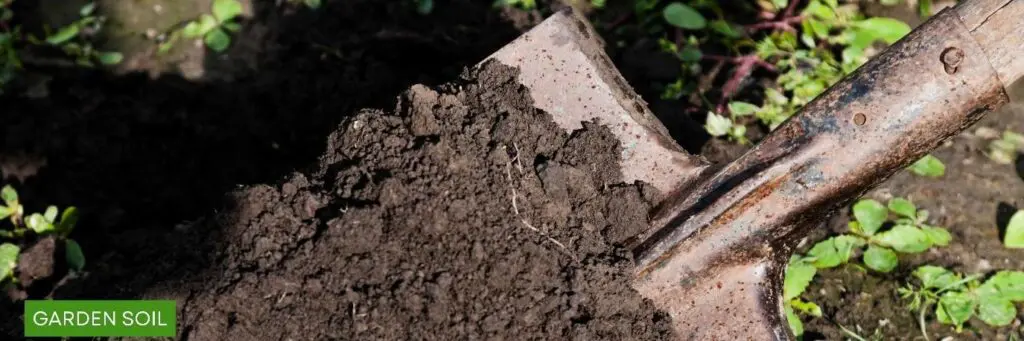
Garden soil
Garden soil is what we start with and then improve as time goes by. The reasons for the improvements are simple: the more microbiome (good bacteria and fungi, among others) you get into your soil, the healthier and more productive a garden can be. It also doesn’t need to be complicated. Certain practices will help you achieve better soil just by keeping them up regularly.
When planting anything, first address the soil. Add plenty of organic material like compost or leaf mould, along with bone meal or superphosphate and a handful of slow-releasing organic fertiliser to the planting hole. This helps plants get established properly before they require feeding.

Make use of organic mulches. Things like leaves, grass, wood chips and compost all protect and feed the soil underneath. As mulches break down, they release nutrients into the soil, which simultaneously prevent moisture loss through evaporation, keep weeds down, and maintain consistent temperatures, preventing plants from becoming stressed. Mulching is one of the easiest things to do in the garden to increase the soil’s biome. Simply lay it on top of the soil, keeping it away from plant trunks or stems, and it will get to work.
Growing more plants to cover any bare soil is also an excellent way to improve the soil. The roots of plants provide the sugars microbes need to survive, so it stands to reason that the more roots in the ground, the better the diversity of microorganisms. Use cover crops in the winter season, rotate annual crops, mix flowers, vegetables, herbs and ornamental shrubs and trees instead of dividing the garden into monocrop zones. Including some indigenous plants for your specific climate helps to improve the soil. There are some special plants, like comfrey, that have really deep tap roots that bring nutrients up from deep in the soil to the surface, making them useful in a garden bed as well.
Keep the garden watered deeply and less frequently rather than shallow daily watering.
It’s also a good idea to reduce excessive digging. This type of practise kills off the microbes in the soil by exposing them to sunlight. Rather add mulch, and it’s easier than digging anyway.
In a nutshell
- Add compost when planting anything and again annually as a mulch.
- Cover the soil with organic mulch and cover crops during the winter.
- Be consistent and have patience; soil microbes are very forgiving.
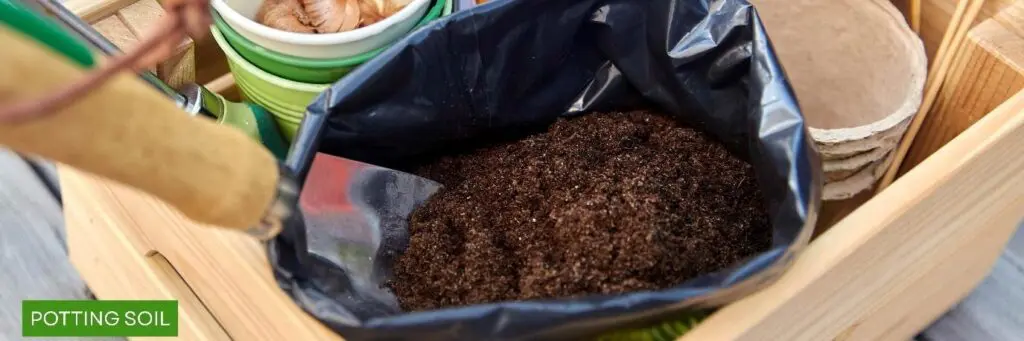
Potting soil
The main reason for using potting soil is to plant up containers. Potting soil has been commercially formulated to provide drainage, nutrition to a certain extent, and aeration for a plant’s roots that are going to be confined.
Potting soil is usually lighter than garden soil, making it easy to move pots, but also to keep air in the mix, which is essential for anything but water plants to grow. A good potting soil also holds water to release it slowly to the plant, and because they are carefully processed, they contain no weed seeds, soil pathogens, or pests that could harm your plants.
It must be noted that after a time, the nutrients in potting soil are leached out with watering and need to be replenished. For houseplants and outdoor pots, it’s best to feed with a liquid plant food every 2 weeks as a general rule. As the roots expand in the container, the soil is displaced, so most potted plants will require repotting every 2-3 years with fresh potting soil and into a pot a little bigger to allow the roots to expand.
In a nutshell
- Always use potting soil when growing anything in a pot.
- If the roots of the plant are growing out of the drainage holes, it will need repotting with fresh potting soil.
- Feed plants regularly to keep them healthy.
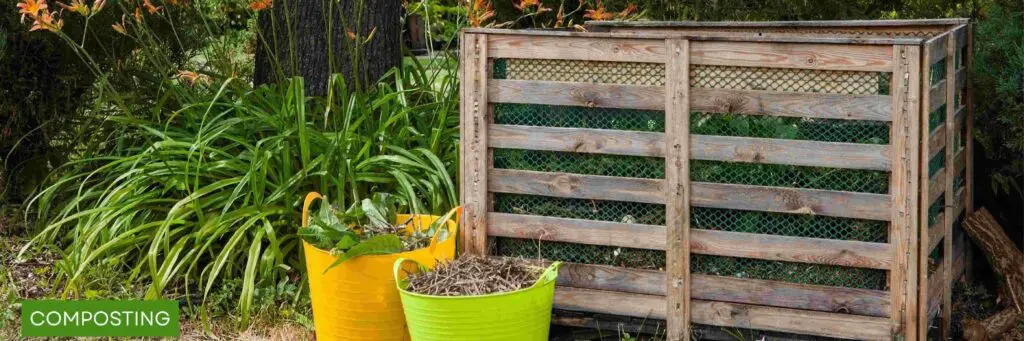
Compost
Compost is one of the essential ingredients in a garden, and it’s also one of the ingredients that can be made for free. There is no excuse for not using compost.
The first thing compost does is feed the soil. All the organic matter broken down to make compost is highly nutritious and full of microorganisms such as bacteria, fungi, and earthworms that support soil life. The more compost you use in the soil, the more productive the garden, with healthier plants, fewer pests and diseases, and greater resilience.
Organic matter like compost also acts like a sponge, holding onto life-saving water and releasing it to the roots when needed. This means less watering, reduced runoff, and better drought resistance.
Improving the soil biome also reduces the need for chemical fertilisers.
Compost improves soil structure, which is important for getting air to plant roots, which they need. The structure will also allow roots to move freely in the soil, becoming stronger and healthier, and better able to support leaf, stem, flower, and seed growth. Compost can also fix difficult soils – helping sandy soils hold more water and nutrients, and clay soils become less compacted and drain better.
Adding compost to soil also helps reduce certain diseases and helps plants avoid stress. Stressed plants invite pests.
In a nutshell
- Making your own compost recycles kitchen and garden waste.
- Helps improve microbiome diversity in the soil.
- Improves soil structure, nutrition, and water retention.
Answers to common questions:
Can you use garden soil in pots?
It’s not recommended. Garden soil is heavy, can carry weed seeds, pests and pathogens, and compacts in a container — use a commercially formulated potting soil that provides drainage, aeration and slow water release.
What’s the difference between potting soil and garden soil?
Garden soil is the ground you grow in and improve over time with compost and mulch; potting soil is a lighter, processed mix made specifically for containers, free of weed seeds and soil-borne pests.
How often should you repot a potted plant?
Most potted plants need repotting every 2–3 years into a slightly larger pot with fresh potting soil, or sooner if roots start growing out of the drainage holes.
Do plants in pots need feeding?
Yes. The nutrients in potting soil leach out with watering, so feed houseplants and outdoor pots with a liquid plant food roughly every two weeks.
Why is compost so important for soil?
Compost feeds the soil and its microbiome, holds water like a sponge, improves soil structure, and reduces the need for chemical fertilisers — giving you healthier, more productive plants with fewer pests.
Can compost fix sandy or clay soil?
Yes. Compost helps sandy soils hold more water and nutrients, and helps clay soils become less compacted so they drain better.