
Blooming in the Garden Agapanthus and Hydrangea


Water Wise Watch: October 2019



Image above: Lawley Primary School grade 4 learners being taught about Arbor month and the importance of trees.
Blooming babes
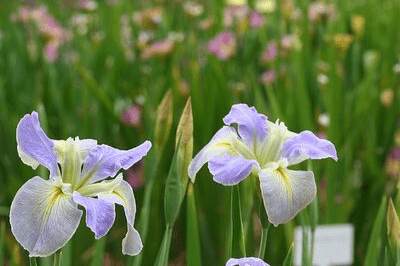

Louisiana Irises (Iris), and Waterlilies (Nymphaea) are beautiful and elegant water-loving, flowering plants.
Louisiana Irises (Iris) bloom from mid-September to mid-October – this is the prime-time to buy them in flower from your GCA Garden Centre.
They like to grow in full sun to semi-shade and will grow successfully in garden beds where they receive regular irrigation, preventing the soil from drying out. A thick mulch layer will assist in keeping the soil moist (not the mention all the other benefits such as suppressing weeds and feeding the soil). As Louisiana Irises naturally occur in swamps, ditches and other moist sites in the Southern USA, they are at their happiest when grown in a bog or shallow pond and make superb aquatic plants. They can also be grown in large pots with no drainage holes - creating a mini-bog.
Louisiana Irises have one of the most diverse range of colours of any Iris. After flowering, the spent flower stems on your potted Louisiana Iris, should be cut back and the plant can then either be planted into the garden or transplanted into larger containers, in both instances lots of compost should be added to encourage new growth for next season.


Water Wise Watch: September 2019


Tshepiso Community Workshop
- Preparing the soil
- Seed sowing and transplanting
- Watering
- Mulch and compost application
- Crop rotation and companion planting
- Fertilizer application
- Hydro-zoning
- Pests, pathogens and weed control
- Alien invasive species
- Harvesting and storage of vegetables and fruits
- How to read a water meter
- Tree planting

Images above: Water Wise facilitators giving a lesson on vegetable gardening (top left and top right); Tree planting practical session with community members (bottom left and bottom right).
Water Wise Watch: August 2019


As we enter August, temperatures start rising, the sun rises earlier, and the end of winter is in sight. Even though the winter shades of russet veld grasses and fiery aloe flowers have a special beauty, the green buds and kaleidoscope of colours that appear with the start of Spring brings joy to all of us. Here at Water Wise we are looking forward to the opportunities that Spring brings, especially more time in the garden and the enjoyment of outdoor activities. We hope you enjoy this month's newsletter, as we showcase what we have been up to in July and what we can look forward to this month.


Water Wise Events

Garden World Spring Festival 2019
Every year, from July to September, Garden World hosts their exciting Spring Festival. The festival allows landscapers the opportunity to showcase their landscaping and design talents. Landscapers are challenged to use the most innovative and unique ways to incorporate the latest garden trends in designing garden landscapes suitable for small outdoor spaces, as well as using a diversity of plants and natural hard landscaping products. The theme for this year's Festival is 'See my garden grow'. The idea is to encourage and inspire gardeners on a limited budget and with limited space to use their creativity to re-invent their outdoor spaces easily and economically.
As always, Water Wise was asked to present their popular award for the most Water Wise landscape design. This award encourages landscapers to incorporate Water Wise garden elements into their landscape designs. These elements include hydro-zoning, indigenous plants, mulch, low- or no-splash water features, permeable surfaces, water harvesting systems, container plants, and water channeling, amongst others.
This year, the award for the most Water Wise landscape design went to Sonita Young of 3rd Teacher Nature Scapes.
Water Wise Watch: July 2019



The Eco-Logic Awards is an event where individuals and companies are recognized and celebrated for their progressive contribution towards a sustainable world. The event occurs annually and has gradually gained publicity in the media spheres as the most 'Glamorously Green' eco-calendar event in South Africa. Individuals and companies were invited to submit their products, services and projects which could fall under 13 different categories, namely:
The Biodiversity Award
Awarded to an organisation for a successful biodiversity protection, rehabilitation, or damage mitigation programme.
The Climate Change Award
Awarded to an organisation that has achieved a substantial reduction in Greenhouse gas emissions.
The Eco-Innovation Award
For a new product or service that is financially viable and sustainable, that serves the needs of humans whilst being equally beneficial to the Earth and its eco-systems.
The Energy Efficiency Award
For a product or service that results in energy saving.
The Recycling and Waste Management Award
For a policy, programme or project that has demonstrably contributed to a greater public understanding and participation in waste reduction, re-use and recycling.
The Eco-Build Award
For innovations, adaptations, products or services that improve the environmental sustainability and/or resilience of a (new or existing) building.
The Water Conservation Award
For a product or service that results in water saving.
The Green Economy Award
For a business organisation that provides a product, service or programme that supports the growth of the Green Economy in South Africa.
The Municipalities Award
Awarded to a municipality that has developed solutions using its risk assessment and management expertise, forming strategic partnerships to improve sustainability, as well as service delivery in municipal functions.
The Eco-Community Award
For a community that has acted collectively to protect, preserve, or restore the Earths life forms, eco-systems, or natural resources.
The Eco-Youth Award
For an individual of 26 years or under who can show that their actions have protected, preserved or improved the Earth’s eco-systems and natural resources.
Water Wise Watch: June 2019


Hello winter!
As winter slowly creeps in, some of us are loving it while some want it to end already. Regardless of how you feel about it, winter is here and one has to figure out a way to cope with it. It is relatively easy for humans to keep warm with winter jackets, warm blankets and heaters, but what about plants? What happens to our gardens during winter?
Just like human beings, plants also have a way of surviving winter. For example, some trees shed leaves and rest during winter while other plants such as Tulips go dormant and store their energy in their bulbs. The best way to treat your garden during winter is to let it rest.

It is only right to want our gardens to look green and full of colour all year round, however we forget that the plants in our garden also follow seasonal changes and may go dormant in winter. Therefore your garden will require limited winter maintenance and upkeep. When spring comes, everything will start going back to normal and you might be surprised how even more beautiful your garden will look.
Sit back, enjoy the winter season and don't forget to be #WaterWise.
- Reduce watering on lawns to once every two or three weeks in winter.
- Apply a thicker layer of mulch to your flower beds to retain heat and prevent cold damage during the winter months.
- Low water-use indigenous plants only need to be watered in winter if they are showing signs of water-stress. Water only once every 8 weeks if necessary.
- Moderate water-use plants only need to be watered once a month in winter.
- High water-use plants should be watered 2-3 times every two weeks during winter months.
- Remember that the evaporation rate on the highveld is almost zero in winter.
Water Wise Watch: May 2019


This month at Water Wise

Juncus Effuses (Common rush or Soft rush)


Juncus effusus is an evergreen perennial plant with a striking vertical habit. It is highly ornamental with a fanning growth pattern and is often used in landscaping which includes sunny water gardens and freshwater wetlands.
Juncus effuses produces multiple culms (hollow stems) arranged in dense tufts that grow about 1 metre tall. These narrow, smooth stems are rounded with pointed tips and no obvious leaves. The lustrous green culms are strong but flexible making them perfect specimens to provide cover and nesting sites for wetland birds and other wildlife.
Summertime months bring on unobtrusive coppery clusters of small flowers which appear along the side of the culms. These florets are arranged in loose umbrella-like clusters and while they are not showy they do add interest to the plant.
This ornamental rush adapts to a wide variety of growing conditions and it performs well in a full sun or partial shade location. It can be planted in standing water to approximately a 10cm depth or in water saturated mulch like soils. It will however also adapt to normal garden soils with fluctuating water levels. For extra radiant specimens ensure that Juncus are planted in acid soil if possible. One can create this by using products that lower the PH of the soil. Cut back old foliage in early spring to encourage healthy growth.
In garden situations, where plants have not been planted in wetland areas, plants may need irrigation during extended dry periods. Juncus plants spread in the landscape by rhizomes and self-seeding.
Juncus effuses can also be grown indoors as a house plant or outdoors in containers that have a regular supply of water. They can be used along small streams or in water gardens and natural pools where their soft rush stems will be the perfect nesting place for water birds and insects. Juncus’
Container gardening on the balcony with Poppies and Petunias

Balconies are the meeting point for the great outdoors and the comforts of the home. Fresh air and shelter coexist in one space. As day turns to night with a sky of beautiful colours, the balcony is the perfect place to enjoy the golden hour. Making your balcony a happy area to relax is as simple as inviting nature’s most treasured pops of colour to join you. Petunias and Poppies are the perfect flowers to grow on your balcony for year-round colour and brightness.

How to grow Petunias in pots
Petunias are available in a range of colours – each as bright as the next. Place Petunias in a mostly sunny position, and ensure they are never completely dry. In terms of watering, perform the “finger test” to see when to water Petunias – poke your fingers gently in the soil around 2cm down and only water if the soil is dry. If you’ve sightly underwatered, they will recover, so steer towards water.

- Soil: Petunias require well-draining, aerated and slightly acidic soil. Potting soil works well, especially if you mix it with a little peat moss, to lower the pH levels.
- Fertiliser: Petunias love lots of food. Most potting mixes have the right amount of nutrients. To be sure, you can use a slow-release fertiliser when you plant them. Alternatively, compost will give them the nutrients they need – just remember to ensure the compost doesn’t interfere with the soil’s drainage abilities.
- Deadheading: Deadheading encourages the plant to direct its energy into creating more flowers, rather than wasting it on fading flowers. It also keeps your plant looking neat and tidy. Remove flowers that are beyond their prime, ensuring you pinch off the bottom area that produces seeds, too.
How to grow Poppies in pots
Poppies are a timeless classic we’ve known and loved for generations.
May in the Garden

Tie a knot somewhere to remind you that it is Mother’s Day on Sunday 12 May. Take Mom to a GCA garden centre to spoil her with graceful Phalaenopsis and stunning Cyclamens – both in flower now!
Top of the pops
Here are some recommended top sellers for autumn:
Obsession – Get totally obsessed with the glorious Nandina domestica‘Obsession’, an intensely coloured upright growing nandina with fiery red young foliage which is retained all year while the plant is actively growing. Mature foliage is deep green. Nandinas are known for their striking autumn colours, hardiness, and many uses in a garden. Use ‘Obsession’ as a low hedge, in pots, or as a filler shrub in a border and remember that they are very giving and forgiving plants. Mature size is approximately 60 x 70cm.

Trending: Grow your own coffee tree indoors! The coffee plant (or rather tree!) botanically known as Coffea arabica, can earn you kudos from coffee snobs if you can manage to grow it successfully in your sitting room as an indoor plant.
- Why should you try it?
It is a very ornamental novelty plant with dark, shiny leaves and fragrant white flowers. If all goes well, it can soon become a large plant, but it can luckily be pruned into a manageable level which commercial coffee growers often do. If you want to try your hand at this pretty plant simply for bragging purposes, (you will only get a harvest of beans after a number of years), plant it in a good-sized pot in slightly acidic soil, which drains very well. Water well and spritz it regularly in hot weather, as it loves high humidity. Keep it in good light but not in hot spots, as it likes cool growing conditions. If you are still unsure about the right growing conditions, just remember that the coffee tree naturally grows in the shade of other trees in tropical East Africa.
Cheeky Chimeni (Plectranthus chimanimaniensis)

Plectranthus chimanimaniensis is one of the lesser known Plectranthus varieties and is a firm favourite amongst gardeners!
Plectranthus varieties are indigenous. Plectranthus varieties have forest as well as savannah origins. With a natural ability to cope with difficult conditions, they tolerate a wide variety of growing conditions from cold and wet to extremely hot and arid. However, possibly their most sought after ability is their affinity and ability to perform well in shaded areas.
Plectranthus chimanimaniensis is an evergreen shrub reaching 80cm to 1m in height. The delicate small green leaves are plentiful and support a mass of flower spikes that start bloom from Spring and reach their peak colour display during Autumn and early winter. From a distance, the plants present a beautiful and consistent pink haze in the garden!
The individual flowers are soft pink in colour, with the darker buds opening into delicate soft pink wings with a white lip. The individual flowers are carried on pink flower spires which ensure the flower to foliage ratio is particularly high – the tall flower spikes are both striking and stunning!
Plectranthus chimanimaniensis performs well in either sun or semi-shaded positions and requires well composted soil. These plants are shallow rooted and need adequate watering, however once established they can withstand periods of drought.
Plectranthus ‘Cheeky Chemenii’ are frost tender but if grown under trees they are afforded some frost protection. Frost protection measures are advised during their first winter, however in their second season the plants will be much stronger.
Plectranthus ‘Cheeky Chemenii’ require low maintenance and have no specific pest control measures. To maintain a neat shape and lush foliage, this variety should be pruned after each flowering period.
Eastern Cape Stockists:
Floradale Nursery – Port Elizabeth
Builders Express East London
Builders Express – Jeffreys Bay
Builders Express – Newton Park
Builders Express – Uitenhage
Builders Warehouse – Port Elizabeth
Free State Stockists:
Alma Kwekery – Welkom
Bruwer Kwekery – Bloemfontein
Builders Warehouse Bloemfontein
Greenside Kwekery – Bloemfontein
Urth Garden Centre – Bloemfontein
Gauteng Stockists:
Colourful Splendour – Craighall Park
Garden Pavilion – Eckards
Garden Pavilion – Sunkist
Plant Paradise Garden Centre – Pretoria
Schaffler’s Nursery – Johannesburg
North West Stockists:
Western Cape Stockists:
Starke Ayres Garden Centre – Rosebank
Starke Ayres Garden Centre – West Coast Village
Stodels – Bellville
Stodels – Constantia
Stodels – Kenilworth
Stodels – Milnerton
Stodels – Somerset West
Builders Express – Knysna
Builders Warehouse – Cape Gate
Builders Warehouse – City
Builders Warehouse – Constantiaberg
Builders Warehouse – Table View
Builders Warehouse – Tygerberg
**Please note that not all stockists will have every plant featured**
April in the Garden

Folks in South Africa are lucky to have two ‘spring’ seasons every year – the traditional spring in September when plants from the Northern hemisphere flower, and another one in April when many of our own flowers abound. Now is the time to spend long hours in our gardens, planting and sowing with abandon!
On the menu for sunbirds 
Keeping the theme for Earth Day on 22 April 2019 in mind, which is to “protect our species”, we give you an annual menu to encourage sunbirds to your garden all year long. The plants suggested are naturally indigenous and April is a perfect time to plant them:
For summer: Plant a dwarf coral tree (Erythrina humeana) which covers itself with scarlet red “pokers” drenched in nectar. Also go for summer flowering aloes like the very pretty Aloe cooperi, with apricot flowers with green tips.
For autumn: Wild dagga (Leonotus leonurus) – the velvety bright orange flowers resemble huge rain spiders sitting at the ends of each stem. Their rich nectar is irresistible to butterflies, bees and sunbirds. This large shrub will supply colour throughout autumn. There is also a form with creamy white flowers, which is well worth planting.
For winter: Any winter-flowering aloe specie or hybrid will do to attract many other bird species as well, but the centerpieces should be the other coral trees. The coastal coral tree (Erythrina caffra) is a large tree, producing magnificent flowers smothered in nectar. The smaller, common coral tree (E. lysistemon) is equally generous with spectacular flowers, but more suitable to smaller gardens. The broad-leaved coral tree (E. latissima) will produce its pretty blooms from late winter to spring. Every frost-free garden should at least have one of these species. For colder gardens there is the local mountain bottle brush (Greyia sutherlandii) and woolly bottlebrush (Greyia radlkoferi) – perfect and showy for small gardens with well-drained soil.
Water Wise Watch: Mar 2019


This month at Water Wise

How to encourage bees in the garden


Symptoms/Signs
“The hum of bees is the voice of the garden” Elizabeth Lawrence. You may hear the buzz of bees and see them buzzing around in the garden.
What does this mean for me/my plants?
Bees collect pollen and in their travels, carry this pollen with them to other flowers. This results in cross-pollination, which is critical for flowers produce more seeds. The process allows for more plants to grow, and the garden to become full of flowers.
Suggested Action
Enjoy the hum of bees and plant flowers which bees will be attracted to. Examples of these include Sweet Alyssum, Monarda, basil, sage, thyme and lavender. Visit your local GCA Garden Centre for the most beautiful plants and expert advice!
Pride of India/Crape Myrtle (Lagerstroemia Black Diamond)

This new and very dramatic Crape myrtle (Pride of India) has dark black leaves forming a vivid contrast to its vibrant purple blooms.
It is a deciduous shrub that performs best in the full sun, however will cope in afternoon sun areas too. Clusters of bright purple flowers appear in summer.
Black Diamond ® will grow to an approximate height of 3 meters and can reach a width of 2, 5 meters if left unchecked. That being said, it is easily pruned and shaped if desired and works well in small gardens.
Black Diamond ® has an excellent resistance to mildew, it is wonderfully low maintenance and very cold tolerant. It grows in most soils but prefers well drained, compost enriched soil. Feed with an organic fertilizer when new leaves appear in summer, try ‘Atlantic Flower and Fruit’ for excellent results. When first planted, water regularly to establish. Once established it is water wise and drought hardy.
Black Diamond® Purpley Purple™ is wonderfully versatile. It is a fabulous specimen for containers or it can be used to create a flowering hedge. Prune late winter or early spring to achieve desired height and shape.
Eastern Cape Stockists:
Floradale Nursery – Port Elizabeth
Builders Express East London
Builders Express – Jeffreys Bay
Builders Express – Newton Park
Builders Express – Uitenhage
Builders Warehouse – Port Elizabeth
Free State Stockists:
Alma Kwekery – Welkom
Bruwer Kwekery – Bloemfontein
Builders Warehouse Bloemfontein
Greenside Kwekery – Bloemfontein
Urth Garden Centre – Bloemfontein
Gauteng Stockists:
Colourful Splendour – Craighall Park
Garden Pavilion – Eckards
Garden Pavilion – Sunkist
Plant Paradise Garden Centre – Pretoria
Schaffler’s Nursery – Johannesburg
North West Stockists:
Western Cape Stockists:
Starke Ayres Garden Centre – Rosebank
Starke Ayres Garden Centre – West Coast Village
Stodels – Bellville
Stodels – Constantia
Stodels – Kenilworth
Stodels – Milnerton
Stodels – Somerset West
Builders Express – Knysna
Builders Warehouse – Cape Gate
Builders Warehouse – City
Builders Warehouse – Constantiaberg
Builders Warehouse – Table View
Builders Warehouse – Tygerberg
**Please note that not all stockists will have every plant featured**
Lily Turf (Liriope Evergreen Giant)

Liriope provides a strong, regular shape and evergreen colour throughout the year. They are an ideal specimen for containers or mass plantings.
Liriope is classified as a clump-forming, ornamental, tuft like grass. It is a perennial and is commonly referred to as Lily Turf. Once planted the clumps gradually spread to a width of 30cm, the various species differ in height according to the variety planted.
Lily Turf tolerates a wide range of light conditions which make them easy garden specimens. They grow in sun, part shade and full shade. They prefer to grow in well drained soil but will adapt to most soil types if need be. They need a medium amount of water.
Liriope are classified as hardy perennials once established due to their tolerance of frost and cold conditions, heat, humidity and drought.
In late summer small but showy flowers in purple shades occur on erect spikes, these form a beautiful contrast against the strappy leaves. The flowers are followed by black berries.
In spring cut back the leaves if the plant looks ‘tired’. Adding mulch and regular water will ensure that a new set of healthy leaves appear soon.
Use Liriope in mass plantings or as an edging to garden beds. They make excellent groundcover specimens under trees in dry shade. On slopes they can be used to help prevent soil erosion and in containers they make dramatic fountains of evergreen colour.
Liriope muscari ‘Evergreen Giant’ has dark green strap-like leaves. It grows to a height of 80cm and has violet-purple flowers. These are great in pots!
Eastern Cape Stockists:
Floradale Nursery – Port Elizabeth
Builders Express East London
Builders Express – Jeffreys Bay
Builders Express – Newton Park
Builders Express – Uitenhage
Builders Warehouse – Port Elizabeth
Free State Stockists:
Alma Kwekery – Welkom
Bruwer Kwekery – Bloemfontein
Builders Warehouse Bloemfontein
Greenside Kwekery – Bloemfontein
Urth Garden Centre – Bloemfontein
Gauteng Stockists:
Colourful Splendour – Craighall Park
Garden Pavilion – Eckards
Garden Pavilion – Sunkist
Plant Paradise Garden Centre – Pretoria
Schaffler’s Nursery – Johannesburg
North West Stockists:
Western Cape Stockists:
Starke Ayres Garden Centre – Rosebank
Starke Ayres Garden Centre – West Coast Village
Stodels – Bellville
Stodels – Constantia
Stodels – Kenilworth
Stodels – Milnerton
Stodels – Somerset West
Builders Express – Knysna
Builders Warehouse – Cape Gate
Builders Warehouse – City
Builders Warehouse – Constantiaberg
Builders Warehouse – Table View
Builders Warehouse – Tygerberg
**Please note that not all stockists will have every plant featured**
Blue Echeveria (Echeveria secunda)

Echeveria is a large genus of succulent rosette like plants that are spectacular in flower beds and pots. They are evergreen and very rewarding.
Echeveria are drought resistant and can handle periods of no water at all. They however do perform better with regular deep watering and fertilizing.
Echeveria form low growing rosettes about 10 – 15 cm in diameter. They have a fleshy pale blue- green leaf which is edged in light pink and is extremely attractive especially when planted en mass. They do produce a colourful bell shaped flower on a protruding pink stem in the summer months but this does not attract as much attention as the dramatically shaped leaves, growth pattern and colour do.
Echeveria is easy to grow and produces “offspring” in abundance. They are perfect to use as pot fillers or in the front of garden beds where they will form a thick cover. This thick ground cover means easy weed control and low maintenance gardens!
Eastern Cape Stockists:
Floradale Nursery – Port Elizabeth
Builders Express East London
Builders Express – Jeffreys Bay
Builders Express – Newton Park
Builders Express – Uitenhage
Builders Warehouse – Port Elizabeth
Free State Stockists:
Alma Kwekery – Welkom
Bruwer Kwekery – Bloemfontein
Builders Warehouse Bloemfontein
Greenside Kwekery – Bloemfontein
Urth Garden Centre – Bloemfontein
Gauteng Stockists:
Colourful Splendour – Craighall Park
Garden Pavilion – Eckards
Garden Pavilion – Sunkist
Plant Paradise Garden Centre – Pretoria
Schaffler’s Nursery – Johannesburg
North West Stockists:
Western Cape Stockists:
Starke Ayres Garden Centre – Rosebank
Starke Ayres Garden Centre – West Coast Village
Stodels – Bellville
Stodels – Constantia
Stodels – Kenilworth
Stodels – Milnerton
Stodels – Somerset West
Builders Express – Knysna
Builders Warehouse – Cape Gate
Builders Warehouse – City
Builders Warehouse – Constantiaberg
Builders Warehouse – Table View
Builders Warehouse – Tygerberg
**Please note that not all stockists will have every plant featured**
Hibiscus rosa-sinensis grandiflora ‘Boreas Yellow’


The perfect island dream. Spectacular long lasting large bright yellow flower with a burgundy centre. Shrub that flowers throughout the year. Evergreen. Plant in a sunny to semi-shaded position. Plants cannot tolerate cold and frost. Mature plant size may vary due to growing conditions and climate, ±2m x 1.5m. (N) Registered Plant Breeders Rights. Superior Selection TM. TM Trademark pending.
Eastern Cape Stockists:
Floradale Nursery – Port Elizabeth
Builders Express – East London
Builders Express – Jeffreys Bay
Builders Express – Newton Park
Builders Express – Uitenhage
Builders Warehouse – Port Elizabeth
Free State Stockists:
Alma Kwekery – Welkom
Bruwer Kwekery – Bloemfontein
Builders Warehouse – Bloemfontein
Greenside Kwekery – Bloemfontein
Urth Garden Centre – Bloemfontein
Gauteng Stockists:
Colourful Splendour – Craighall Park
Garden Pavilion – Eckards
Garden Pavilion – Sunkist
Hecker Nursery – Boksburg
Ludwig’s Roses – Egoli
Ludwig’s Roses – Pretoria East
Nicolas Plants – Northriding
Plantland – Akasia
Plantland – Cornwall Hill
Plantland – Menlyn
Plantland – The Wilds
Plant Paradise Garden Centre – Pretoria
Safari Tuinsentrum – Pretoria
Schaffler’s Nursery – Johannesburg
Builders Express – Bryanston
Builders Express – Cedar Square
Builders Express – Florida Glen
Builders Express – Greenstone
Builders Express – Lambton
Builders Express – Norwood
Builders Express – Robindale
Builders Express – Wonderpark
Builders Warehouse – Bedworth Park
Builders Warehouse – Boksburg
Builders Warehouse – Centurion
Builders Warehouse – Edenvale
Builders Warehouse – Gleneagles
Builders Warehouse – Kempton Park
Builders Warehouse – Northriding
Builders Warehouse – Rivonia
Builders Warehouse – Strubens Valley
Builders Warehouse – Woodlands
Builders Warehouse – Zambesi
KwaZulu-Natal Stockists:
Blackwood’s Home of Gardening – Pietermaritzburg
Garden Pavilion Halls – Kingsburgh
Hingham Nursery – Durban North
Builders Express – Amanzimtoti
Builders Express – Ballito
Builders Express – Hillcrest
Builders Express – Pietermaritzburg
Builders Express – South Coast
Builders Express – Umhlanga
Builders Warehouse – Riverhorse
Limpopo Stockists:
Builders Warehouse – Polokwane
Mpumalanga Stockists:
Builders Warehouse – Emalahleni
Garden Pavilion – White River
Ninfa Tuinsentrum – Middelburg
North West Stockists:
Geelhout Gardens
Sittig’s Nursery – Hartebeespoort
Western Cape Stockists:
Cape Garden – Joostenbergvlakte
Cape Garden – Somerset West
Cape Garden – Stellenbosch
Ludwigs Roses Winelands – Stellenbosch
Starke Ayres Garden Centre – Rosebank
Starke Ayres Garden Centre – West Coast Village
Stodels – Bellville
Stodels – Constantia
Stodels – Kenilworth
Stodels – Milnerton
Stodels – Somerset West
Tulbagh Kwekery – Tulbagh
Builders Express – Kenilworth
Builders Express – Knysna
Builders Express – Stellenbosch
Builders Express – Willowbridge
Builders Warehouse – Cape Gate
Builders Warehouse – City
Builders Warehouse – Constantiaberg
Builders Warehouse – George
Builders Warehouse – Helderberg
Builders Warehouse – Table View
Builders Warehouse – Tygerberg
**Please note that not all stockists will have every plant featured**
Carex Eversheen

This ornamental grass forms a low cascading clump of leathery dark green leaves with cream margins. It is easy to grow, low maintenance and forms a neat, easily controlled mound. Mature plant size may vary due to growing conditions and climate, ±30cm x 30cm
Eastern Cape Stockists:
Floradale Nursery – Port Elizabeth
Builders Express – East London
Builders Express – Jeffreys Bay
Builders Express – Newton Park
Builders Express – Uitenhage
Builders Warehouse – Port Elizabeth
Free State Stockists:
Alma Kwekery – Welkom
Bruwer Kwekery – Bloemfontein
Builders Warehouse – Bloemfontein
Greenside Kwekery – Bloemfontein
Urth Garden Centre – Bloemfontein
Gauteng Stockists:
Colourful Splendour – Craighall Park
Garden Pavilion – Eckards
Garden Pavilion – Sunkist
Hecker Nursery – Boksburg
Ludwig’s Roses – Egoli
Ludwig’s Roses – Pretoria East
Nicolas Plants – Northriding
Plantland – Akasia
Plantland – Cornwall Hill
Plantland – Menlyn
Plantland – The Wilds
Plant Paradise Garden Centre – Pretoria
Safari Tuinsentrum – Pretoria
Schaffler’s Nursery – Johannesburg
Builders Express – Bryanston
Builders Express – Cedar Square
Builders Express – Florida Glen
Builders Express – Greenstone
Builders Express – Lambton
Builders Express – Norwood
Builders Express – Robindale
Builders Express – Wonderpark
Builders Warehouse – Bedworth Park
Builders Warehouse – Boksburg
Builders Warehouse – Centurion
Builders Warehouse – Edenvale
Builders Warehouse – Gleneagles
Builders Warehouse – Kempton Park
Builders Warehouse – Northriding
Builders Warehouse – Rivonia
Builders Warehouse – Strubens Valley
Builders Warehouse – Woodlands
Builders Warehouse – Zambesi
KwaZulu-Natal Stockists:
Blackwood’s Home of Gardening – Pietermaritzburg
Garden Pavilion Halls – Kingsburgh
Hingham Nursery – Durban North
Builders Express – Amanzimtoti
Builders Express – Ballito
Builders Express – Hillcrest
Builders Express – Pietermaritzburg
Builders Express – South Coast
Builders Express – Umhlanga
Builders Warehouse – Riverhorse
Limpopo Stockists:
Builders Warehouse – Polokwane
Mpumalanga Stockists:
Builders Warehouse – Emalahleni
Garden Pavilion – White River
Ninfa Tuinsentrum – Middelburg
North West Stockists:
Geelhout Gardens
Sittig’s Nursery – Hartebeespoort
Western Cape Stockists:
Cape Garden – Joostenbergvlakte
Cape Garden – Somerset West
Cape Garden – Stellenbosch
Ludwigs Roses Winelands – Stellenbosch
Starke Ayres Garden Centre – Rosebank
Starke Ayres Garden Centre – West Coast Village
Stodels – Bellville
Stodels – Constantia
Stodels – Kenilworth
Stodels – Milnerton
Stodels – Somerset West
Tulbagh Kwekery – Tulbagh
Builders Express – Kenilworth
Builders Express – Knysna
Builders Express – Stellenbosch
Builders Express – Willowbridge
Builders Warehouse – Cape Gate
Builders Warehouse – City
Builders Warehouse – Constantiaberg
Builders Warehouse – George
Builders Warehouse – Helderberg
Builders Warehouse – Table View
Builders Warehouse – Tygerberg
**Please note that not all stockists will have every plant featured**