
Variegated Cattail (Typha latifolia ‘variegata’)


This grass-like perennial’s charm lies in the subtle grace with which the wind whispers through its highly ornamental, longitudinally striped, green and white leaves. Dark brown, cigar-like flower spikes top the foliage through summer. Less vigorous than their all-green brethren, growing up to 1.5 m tall, variegated cattail thrives in full sun in most soil to water no more than 30 cm deep. Goes dormant in winter, but is fully cold hardy. Cut back in late spring at the first signs of new growth.
Gauteng Stockists
Colourful Splendour
Lifestyle Home Garden
Nicolas Plants
Plant Paradise
Safari Tuinsentrum
Schafflers Nursery
Mpumalanga Stockists
North West Stockists
**Please note that not all stockists will have every plant featured**
Healthy Herb for November: Flavourful fennel

 Spicy and sweet, fennel is a cook’s dream and a delight for gardeners who love its striking foliage and flowers.
As a herb, fennel (Foeniculum vulgare) is a citizen of the world, like so many other Mediterranean exports. It still grows wild along the coast and on dry sunny Mediterranean slopes, but from there it has spread throughout the world because it has such simple requirements: plenty of sun and ordinary garden soil.
Bronze fennel (Foeniculum vulgare ‘Rubrum Purpureum’), in particular, is a beautiful foliage plant (with all the herbal uses) that is more often found in flower gardens, especially mixed borders where it is used as a tall, striking foliage plant.
In addition to its good looks, fennel has many culinary and healing properties. The leaves and seeds are strongly aromatic, adding a subtle aniseed flavour to fish, poultry and vegetable, as well as spicy Indian and Italian dishes. The bulb of Florence fennel (Foeniculum vulgare var. dulce) has a milder taste.
The seeds and leaves of fennel are indispensable as part of the home pharmacy, soothing red eyes, alleviating indigestion and colic in infants, reducing nausea, acting as a mild laxative and even helping new mothers to produce milk.
Growing fennel
Ordinary fennel and bronze fennel grow up to 2m high, with fine, feathery green or bronze leaves and umbels of yellow flowers the size of dinner plates. Their preference for sandy soil suits coastal gardens, but they grow easily just about everywhere. Plants in heavier soil may die in very wet or cold winters. Both plants are perennials and can be cut back when the leaves start to fade. They will shoot up again.
Florence fennel requires richer soil, which should still drain well, and more regular watering to ensure swollen bulbs, which are shaved into salads or roasted.
DIY Activity for November: Add greenery to your interiors with Jungalow Inspired Kokedamas Read more here!
 Read more here!
What to do about chafer beetle

Symptoms
Our “gogga” of the month for November is the chafer beetle, which usually leave a sticky, silvery slime trail left on plants, soil and stems. Sometimes you’ll even see holes in leaves and young plant shoots eaten
What does this mean for me/my plants?
The leaves will battle to photosynthesise, thus flowering is slower than usual. The beetles will eventually move on and the plant will recover. Recovery will be quicker if plants are treated.
Suggested Action
Treat with a contact insecticide (liquid or granular). Work into the top layer of the soil around the plants, as these beetles burrow in the ground during the day and come out at night. Visit your local GCA garden centre for advice on the best solution for you!
A1 Water Wise Poster (Confetti Bush) – With Rand Water System

A1 Water Wise Poster on Confetti Bush (Coleonema Album), with the Rand Water/drop-system
Please note: The lines shown in the image below will not appear in printing
Preview
A1 Poster: Healthy Herb – Fennel

A1 Healthy Herb poster for your garden centre
Preview
A1 Water Wise Poster (Confetti Bush) – Without Rand Water System

A1 Water Wise Poster on Coleonema Album (Confetti Bush), without the Rand Water/drop-system
Please note: The lines shown in the image below will not appear in printing
Preview
A1 Water Wise Poster (Confetti Bush) – With Cape Water System

A1 Water Wise Poster on Coleonema Album (Confetti Bush), with the Cape Water/drop-system
Please note: The lines shown in the image below will not appear in printing
Preview
A5 POS – Vinca (Catharanthus roseus), With Cape Water System

A5 POS for material for the flowering favourite plant, Vinca (Catharanthus roseus), With Cape Water System, for your garden centre
Preview
A5 POS – Pink Polka Dot Plant (Hypoestes phyllostachya)

A5 POS for material for the plant, Pink Polka Dot Plant (Hypoestes phyllostachya) for your garden centre
Preview
November in the Garden
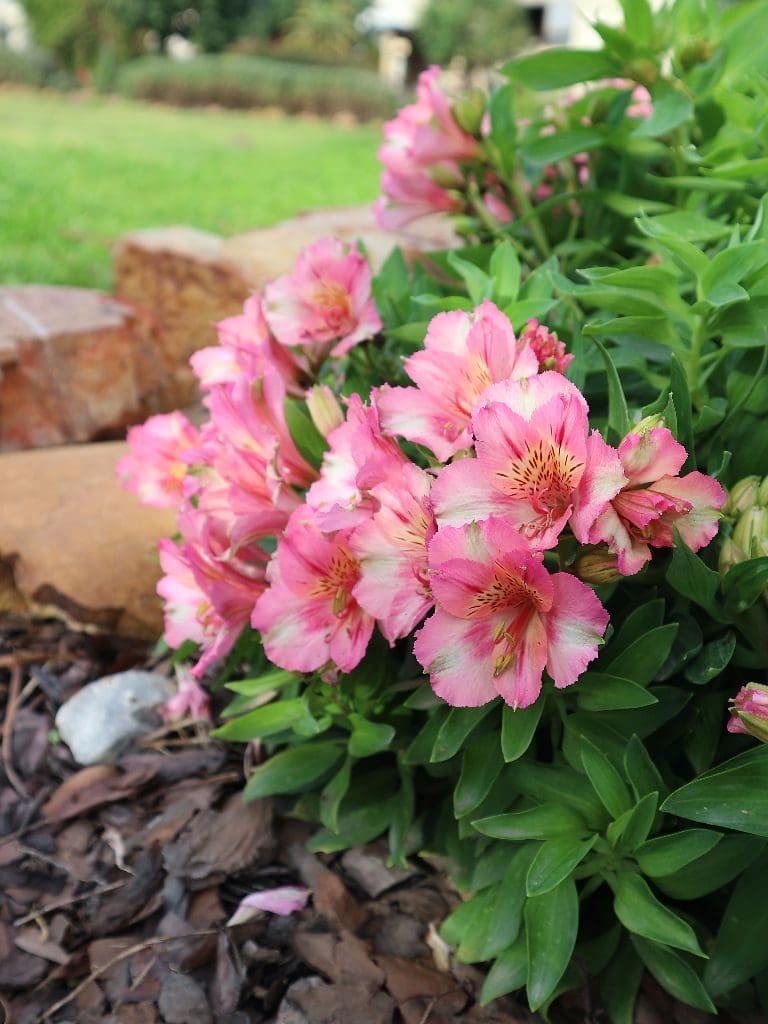
Summer’s all about colour… Everywhere! The all-time favourites are in full bloom and you need more of them. The best news is the availability of modern varieties of many perennials and edibles which can be planted and enjoyed in the smallest of spaces. You can also plant future health today!
Petite, but powerful
The new-age dwarf Inca lilies are magnificent for the garden and suitable to grow in containers too, as they reach a height of only 30-35cm. They flower profusely from spring to autumn and can be found in a wide range of bright colours. These shorty’s can, just like their taller family members, be picked as long-lasting cut flowers.
Growth in a nutshell
- Good for sun or light shade.
- Plant in well-aerated soil, enriched with compost.
- Water and feed regularly in the summer months with fertiliser for flower production
Queen Hydrangea
Brighten up shady areas with glorious hydrangeas, which will now be available in flower. Colour in between them with impatiens, begonias and browallia.
Remember that: Hydrangeas love dappled shade, well-aerated soil and lots of water. If you want to grow them in pots, place them on the Southern side of the house for early morning sun and afternoon shade. They need to be fed monthly from August to March with a balanced combination fertiliser.
 More smart planting…
The Pondo Waterwood (Syzygium pondoense) is a perfectly sphere-shaped shrub to add structure or formality to any garden setting, and is known as an absolute bird magnet. It is indigenous and endemic to the Northern Eastern Cape and the Southern Kwa-Zulu Natal area, where it grows along the rocky beds of streams. It is evergreen and can reach a height and diameter of 3m. The new shoots and leaves are reddish in colour but as they mature, become shiny and dark green with a leathery feel.
Round Up Summer Colour

Ask any experienced gardener and they’ll tell you that no garden bed is complete without a representative of this group of annuals bringing their particular brand of hardy good cheer. Dianthus is one of those all-rounder’s that satisfies, no matter your priorities. If it’s a colourful show you’re after these little stunners can be coaxed into flowering throughout the year!
If you’re looking for something different this summer, look no further than a globe amaranth, aka Gomphrena. You’ll be forgiven for the “what?” expression since these lovely globe like flowers are not very well known, at least not yet. Their intense purple blooms are an eye catching addition to any garden though and will no doubt have your guests asking about them before the drinks are even served.
Dianthus
The delicately fringed blooms, typical of many of the dianthus, lend form and texture to borders, rockeries, small flower beds and balconies while their generosity of flowers, with a little coaxing, promise a bright splash of year-round colour. Plant your seedlings 15cm apart, with a thick layer of mulch between the plants, in a sunny position (although they will tolerate some shade in summer) in compost enriched soil and give them a fortnightly booster of a well-balanced fertiliser to ensure a bumper crop of blooms. Being “Water-Wise” Dianthus prefer infrequent but deep watering- another plus for this family of favourites.
Restricted to pots or simply yearning to bring your garden closer to your home? All of the dianthus group adapt exceptionally well to pots. Once in full bloom Dianthus can be brought inside as a living bouquet. Pay pots on sunny patios a little closer attention than you do the Dianthus in your garden by being more generous and frequent with your watering.
Gomphrena
Gomphrena, aka globe amaranth, is a bushy, hairy leaf annual with globe-like purple flower bracts that sit atop thick stems.
How to maintain your lawn in 5 easy steps! Read more here!
 Read more here!
Blazing Colour Spots

Get ready to set your beds alight this November with blazes of pinks, reds, oranges, purples and white with this month’s toughest little bloomer, Vinca. With its shiny green leaves and amazing blooming beauty, this annual will liven up your garden a treat. Vincas make lovely companions in containers as well as brightening up your beds. This happy plant will give you months of colour. When not in bloom, it offers a neat green edge to your beds and paths.
Native to Madagascar, Hypoestes, our November companion plant, is a bushy tropical plant with pointed oval leaves covered in soft down. The plant produces small spiky clusters of pink or blue flowers, but these are not particularly extravagant or showy and it is for their colourful leaves that Hypoestes phyllostachya tend to be cultivated.
Vinca
Vincas are tough little plants and actually flourish under our conditions although they are native to Madagascar. They like it hot and sunny with dry feet. Plant your seedlings in a full sun position, approximately 20cm apart. Remember to plant your Vinca seedlings in the early morning or late afternoon when the heat of the day is not too intense. Vincas prefer a slightly acid soil that drains well, but not one that is particularly rich or fertile. Dig the bed to a depth of about 30cm and incorporate a 10cm layer of compost or dry manure before planting. Apply a general fertilizer once or twice a season.
Once they are established, do not spoil them with too much water as they are very drought tolerant. Vincas are an excellent “water wise” choice. During times of drought the leaves may curl up but they’ll un-curl again at night or when the plant receives water. Don’t over water; you will do more harm than good.
Hypoestes
The Polka Dot plant (Hypoestes phyllostachya) is well known as a novelty indoor plant, but it has also emerged as a striking outdoor bedding plant that can be used to brighten borders or containers in those difficult shaded areas.
How to Make a Basic Flower Crown Read more here
 Read more here
Top Plants for November

A list of the top plants per region, for November, to order for your garden centre
Preview

Download here!
A bee friendly garden
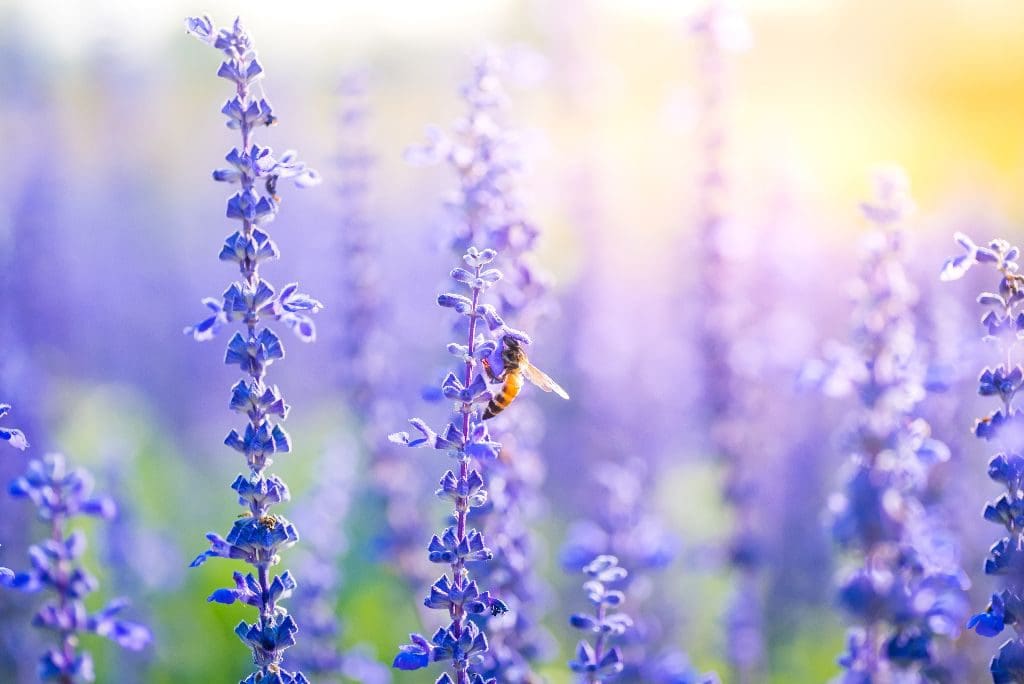
 Recent research tells us that natural homes for bees are becoming less in abundance. Which means that planting a bee-friendly garden should become a priority when planning one. Interestingly enough, bee-friendly gardens also contribute to increasing bee varieties. If you are considering planting a vegetable patch, another bonus you can look forward to is a bountiful harvest of vegetables as much of the heavy work of pollinating vegetable crops is done by honey bees.
If you have a garden already and would like to start creating a bee-friendly haven, then doing so isn’t as complicated as you may think. Here are a few tips which will assist you in your quest to positively impact the environment:
- Choose plants that attract bees: This is fairly self-explanatory but there are certain plants that are more attractive to bees than others. These plants include the likes of basil, sage, thyme, lavender, watermelons, cucumbers and pumpkin.
- Group the same plants together: If you have the space, try to plant at least one square metre of the same type of plant together.
- Pick plants with long blooming cycles: This will keep the bees coming back to your garden.
- Let your plants flower: Leave the flowers on your plants, this will allow the honeybees to get the pollen and nectar they need.
- Fresh water source: Any shallow water source will do; a bird bath, a waterfall, a pool or even newly watered potted plants are good for bees.
- No pesticides or other chemicals: Most chemicals are toxic to bees, so when in doubt, rather leave it out.
- Weeds: Flowering weeds are very important food sources for bees.
Your local GCA garden centre has a full range of products for all your bee gardening needs which ranges from hose pipes, spades, rakes, pruning sets, pot plants, soil and seeds to name but a few.
Water Wise Watch: October


This month at Water Wise

"Welcome to Summer"
It seems we have skipped spring and jumped straight into summer! The country has seen temperatures sky-rocket, with places like Upington hitting highs of 37°C. Johannesburg has been seeing highs of between 25°C and 27°C. We have had some rain in Gauteng, but unfortunately it is not enough, and forecasts predict heavy rains towards the end of the summer season only. This means we need to be extra careful of conserving our water, especially during the hot, dry period to come. Always be Water Wise!
Click here to visit the Water Wise website
Water Wise Tip of the Month:
As temperatures soar, and rainfall remains evasive, we need to look at ways of saving as much water in the home and garden as possible. This month, think about re-using greywater for watering your garden, washing down paving, and cleaning your car. Greywater can be used straight from the source, as long as there is no chance it contains any bacteria, and is not stored for longer than 24 hours. Only use greywater from bathrooms basins, showers, and baths.
Local Water Wise News (Click the headings in bold below to read each article)
Heavy rainfall predicted in late summer, says water dept:
"Although no heavy rains are expected at the beginning of the summer season, the South African Weather Services is predicting heavy showers towards the end of the period."
Have your say on domestic water, sanitation services:
"The Department of Water and Sanitation (DWS) has gazetted the Draft National Norms and Standards for Domestic Water and Sanitation Services for public comments."
New gardening trend:
"Gone are the days of large English country or lush tropical gardens. Here is a new gardening trend...Gardening styles have to adapt to increasingly busy lifestyle and climate change."
A1 Planting for Bees Poster – With Cape Water System

Preview

A1 Water Wise Poster (Agapanthus) – With Cape Water System

A1 Water Wise Poster on Agapanthus, with the Cape Water/drop-system
Please note: The lines shown in the image below will not appear in printing
Preview