
Cape Thatching Reed (Elegia tectorum)


Cape Thatching Reed – not a Reed at all, but a Restio! Restios are leafless, grass-like perennials of which the male and female flowers are borne on separate plants. Cape Thatching Reed occurs naturally in marshes and seeps through the Western and Eastern Cape where they form part of the fynbos biome. Once widely used for thatching, they are nowadays popular landscaping plants, due to their hardiness and bold architectural shape. The evergreen clumps of thin, dark green stems may reach up to 1.5 m in height and are topped by compact, golden-brown flower spikes in autumn. Plants require full sun and do particularly well planted next to streams or in shallow water. They can also be used in natural swimming pools as well as grey-water recycling systems. Cape Thatching Reed requires very little maintenance, apart from the removal of brown and decaying culms – plants should never be cut back to reduce their height as they won’t ever recover from the setback, but instead slowly wither away.
Eastern Cape Stockists:
Floradale Nursery – Port Elizabeth
Builders Express – East London
Builders Express – Jeffreys Bay
Builders Express – Newton Park
Builders Express – Uitenhage
Builders Warehouse – Port Elizabeth
Free State Stockists:
Alma Kwekery – Welkom
Bruwer Kwekery – Bloemfontein
Builders Warehouse – Bloemfontein
Greenside Kwekery – Bloemfontein
Urth Garden Centre – Bloemfontein
Gauteng Stockists:
Colourful Splendour – Craighall Park
Garden Pavilion – Eckards
Garden Pavilion – Sunkist
Hecker Nursery – Boksburg
Ludwig’s Roses – Egoli
Ludwig’s Roses – Pretoria East
Nicolas Plants – Northriding
Plantland – Akasia
Plantland – Cornwall Hill
Plantland – Menlyn
Plantland – The Wilds
Plant Paradise Garden Centre – Pretoria
Safari Tuinsentrum – Pretoria
Schaffler’s Nursery – Johannesburg
Builders Express – Bryanston
Builders Express – Cedar Square
Builders Express – Florida Glen
Builders Express – Greenstone
Builders Express – Lambton
Builders Express – Norwood
Builders Express – Robindale
Builders Express – Wonderpark
Builders Warehouse – Bedworth Park
Builders Warehouse – Boksburg
Builders Warehouse – Centurion
Builders Warehouse – Edenvale
Builders Warehouse – Gleneagles
Builders Warehouse – Kempton Park
Builders Warehouse – Northriding
Builders Warehouse – Rivonia
Builders Warehouse – Strubens Valley
Builders Warehouse – Woodlands
Builders Warehouse – Zambesi
KwaZulu-Natal Stockists:
Blackwood’s Home of Gardening – Pietermaritzburg
Garden Pavilion Halls – Kingsburgh
Hingham Nursery – Durban North
Builders Express – Amanzimtoti
Builders Express – Ballito
Builders Express – Hillcrest
Builders Express – Pietermaritzburg
Builders Express – South Coast
Builders Express – Umhlanga
Builders Warehouse – Riverhorse
Limpopo Stockists:
Builders Warehouse – Polokwane
Mpumalanga Stockists:
Builders Warehouse – Emalahleni
Garden Pavilion – White River
Ninfa Tuinsentrum – Middelburg
North West Stockists:
Garden Pavilion – Geelhout
Sittig’s Nursery – Hartebeespoort
Western Cape Stockists:
Cape Garden – Joostenbergvlakte
Cape Garden – Somerset West
Cape Garden – Stellenbosch
Ludwigs Roses Winelands – Stellenbosch
Starke Ayres Garden Centre – Rosebank
Starke Ayres Garden Centre – West Coast Village
Stodels – Bellville
Stodels – Constantia
Stodels – Kenilworth
Stodels – Milnerton
Stodels – Somerset West
Tulbagh Kwekery – Tulbagh
Builders Express – Kenilworth
Builders Express – Knysna
Builders Express – Stellenbosch
Builders Express – Willowbridge
Builders Warehouse – Cape Gate
Builders Warehouse – City
Builders Warehouse – Constantiaberg
Builders Warehouse – George
Builders Warehouse – Helderberg
Builders Warehouse – Table View
Builders Warehouse – Tygerberg
**Please note that not all stockists will have every plant featured**
Top Plants for August
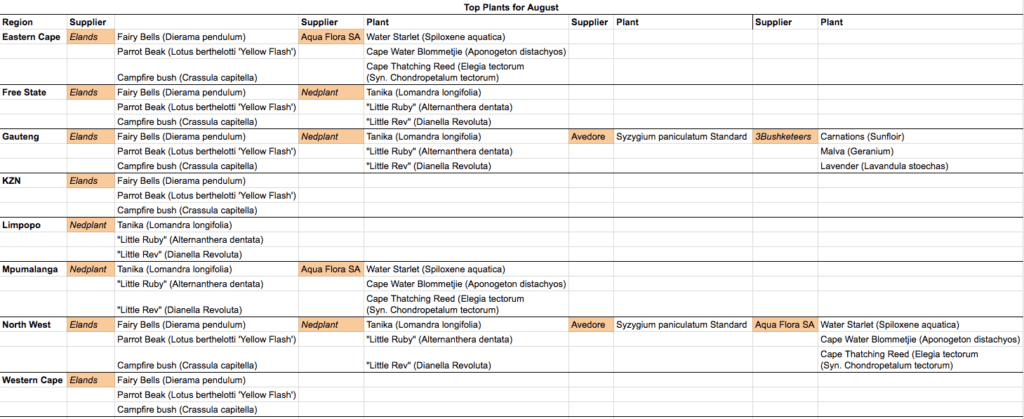
A list of the top plants per region, for August, to order for your garden centre
Preview

Download here!
A5 poster – “Gardening for The Sunflower Fund”

A5 poster for our campaign “Gardening for The Sunflower Fund” 2017, for your garden centre
Preview
A1 Poster: Gardening for The Sunflower Fund

A1 poster for our campaign “Gardening for The Sunflower Fund” 2017, for your garden centre
Preview
Water Wise Watch: July


This month with Water Wise - Brought to you by Rand Water and Water Wise
As we approach mid-winter, it is a good time to be reminded of the Water Wise hints and tips for a happy winter garden. Remember, mulch is essential during winter. It acts as a blanket for the soil, keeps plant roots warm, and protects tender seeds and bulbs from the cold. Mulch also prevents frost from forming over the surface of the soil. Frost netting is great for young plants and those vulnerable to the cold. It can be left on during the day too. Watering should be done later in the day, once it has warmed up. Always be Water Wise!
SALI and SAGIC Awards 2017
For the first time in its history, SALI (South African Landscapers' Institute) has added a Water Wise element to each category of the annual SALI Awards of Excellence. The Awards of Excellence encourages SALI members to enter their landscaping projects for a chance to win in any of the six categories presented. This provides members with an opportunity to showcase their skills, workmanship, and professionalism to their peers in the industry, and ultimately customers. SALI members operate in property developments, business parks, golf estates, industrial parks, hotel and tourism developments, municipal parks departments, prisons, mines, and the green industry. The brand new Water Wise category allows members to actively acknowledge water conservation elements in their designs
This year, Leslie Hoy was awarded with the 2017 SALI National Judge's Discretionary Award (see image to the right).
‘Treasure Flowers’ – Gazania Family


The Gazania family is yet another of South Africa’s indigenous gems that provide unbeatable colour. They are known as ‘Botterblomme’ in Afrikaans and are often referred to as ‘Treasure Flowers’ in English.
Gazanias are evergreen, herbaceous perennials that are clump-forming. They ensure splashes of outstanding bright, ground cover colour in a garden when they are grown in the full sun. Remember, that they close their heads in shade or as the sun goes down!
Gazania’s flower from spring to autumn and deadheading on a regular basis will encourage new flowers and a longer flowering period. Butterflies just love the flowers and this in turn will encourage bird life to your garden.
Gazania’s are not fussy about the soil they are grown in, this is clearly illustrated when one sees them flowering profusely against a hot dry dusty road in the full sun! However for best results and a longer flowering period give them a well-drained compost enriched soil.
Gazanias are water-wise and drought tolerant. Be aware of overwatering as they will rot with excessive water, only water when the soil is dry.
Gazanias are low maintenance plants that will brighten up hard to landscape areas. There are many Gazania varieties for sale in nurseries and Garden centres. Look out for these exception performers
Gazania Gazoo has extra large blooms in bright colours. They grow 25-30cm high.
Gazania ‘Kiss’ is free flowering with large blooms in bright colours. They grow 20-25cm high.
Eastern Cape Stockists:
Floradale Nursery – Port Elizabeth
Builders Express East London
Builders Express – Jeffreys Bay
Builders Express – Newton Park
Builders Express – Uitenhage
Builders Warehouse – Port Elizabeth
Free State Stockists:
Alma Kwekery – Welkom
Bruwer Kwekery – Bloemfontein
Builders Warehouse Bloemfontein
Greenside Kwekery – Bloemfontein
Urth Garden Centre – Bloemfontein
Gauteng Stockists:
Colourful Splendour – Craighall Park
Garden Pavilion – Eckards
Garden Pavilion – Sunkist
Plant Paradise Garden Centre – Pretoria
Safari Tuinsentrum – Pretoria
Schaffler’s Nursery – Johannesburg
Limpopo Stockists:
Mpumalanga Stockists:
North West Stockists:
Western Cape Stockists:
Cape Garden – Joostenbergvlakte
Cape Garden – Somerset West
Cape Garden – Stellenbosch
Starke Ayres Garden Centre – Rosebank
Starke Ayres Garden Centre – West Coast Village
Stodels – Bellville
Stodels – Constantia
Stodels – Kenilworth
Builders Express – Knysna
Stodels – Milnerton
Stodels – Somerset West
Builders Express – Kenilworth
Builders Express – Stellenbosch
Builders Express – Willowbridge
Builders Warehouse – Cape Gate
Builders Warehouse – City
Builders Warehouse – Constantiaberg
Builders Warehouse – George
Builders Warehouse – Helderberg
Builders Warehouse – Table View
Builders Warehouse – Tygerberg
**Please note that not all stockists will have every plant featured**
Shasta Daisy (Leucanthemum ‘White Mountain’)


This outstanding plant provides masses of stunning white blooms with large golden centres that create a wow factor in any garden. They are easy specimens to grow and are most effective when planted en masse.
Leucanthemum ‘White Mountain’ has an upright and spreading growth habit. It is a perennial that flowers from late spring to early autumn with single, daisy-like flowers on strong sturdy stems. Stems can reach between 30 and 40cm in height. The rich green foliage contrasts well with the stark single white flowers. Because of the upright growth and strong stems ‘White Mountain’ is an excellent cut flower.
During the flowering season, cut dying flower stems off to encourage new flowers later in the season. Butterflies are attracted to the flowers and this in turn will encourage birds and other wildlife to your garden.
Leucanthemum enjoys a full sun position where it performs best in well drained soil. Water well when required but be sure to allow the soil to dry out between waterings.
This low maintenance plant is ideal for mass planting, borders and containers. Super for lightening up areas in the garden used for night-time entertaining.
Eastern Cape Stockists:
Floradale Nursery – Port Elizabeth
Builders Express East London
Builders Express – Jeffreys Bay
Builders Express – Newton Park
Builders Express – Uitenhage
Builders Warehouse – Port Elizabeth
Free State Stockists:
Alma Kwekery – Welkom
Bruwer Kwekery – Bloemfontein
Builders Warehouse Bloemfontein
Greenside Kwekery – Bloemfontein
Urth Garden Centre – Bloemfontein
Gauteng Stockists:
Colourful Splendour – Craighall Park
Garden Pavilion – Eckards
Garden Pavilion – Sunkist
Plant Paradise Garden Centre – Pretoria
Safari Tuinsentrum – Pretoria
Schaffler’s Nursery – Johannesburg
Limpopo Stockists:
Mpumalanga Stockists:
North West Stockists:
Western Cape Stockists:
Cape Garden – Joostenbergvlakte
Cape Garden – Somerset West
Cape Garden – Stellenbosch
Starke Ayres Garden Centre – Rosebank
Starke Ayres Garden Centre – West Coast Village
Stodels – Bellville
Stodels – Constantia
Stodels – Kenilworth
Stodels – Milnerton
Stodels – Somerset West
Builders Express – Kenilworth
Builders Express – Knysna
Builders Express – Stellenbosch
Builders Express – Willowbridge
Builders Warehouse – Cape Gate
Builders Warehouse – City
Builders Warehouse – Constantiaberg
Builders Warehouse – George
Builders Warehouse – Helderberg
Builders Warehouse – Table View
Builders Warehouse – Tygerberg
**Please note that not all stockists will have every plant featured**
A1 Poster: Healthy Herb – Lavender

A1 Healthy Herb poster for your garden centre
Preview
A1 Water Wise Poster (Argyranthemum) – With Rand Water System
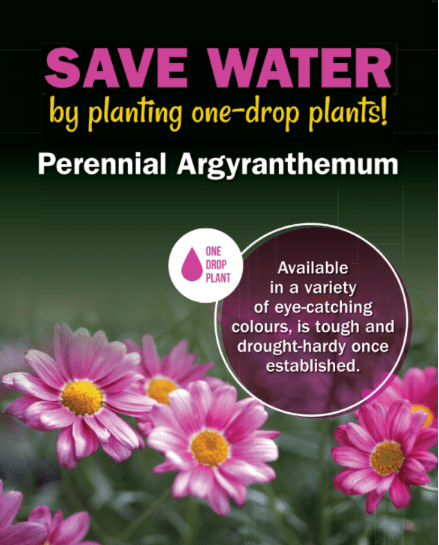
A1 Water Wise Poster on Argyranthemum, with the Rand Water/drop-system
Note: The lines you see on the preview will not appear on the actual printed poster
Preview

A1 Water Wise Poster (Argyranthemum) – With the Cape Water System
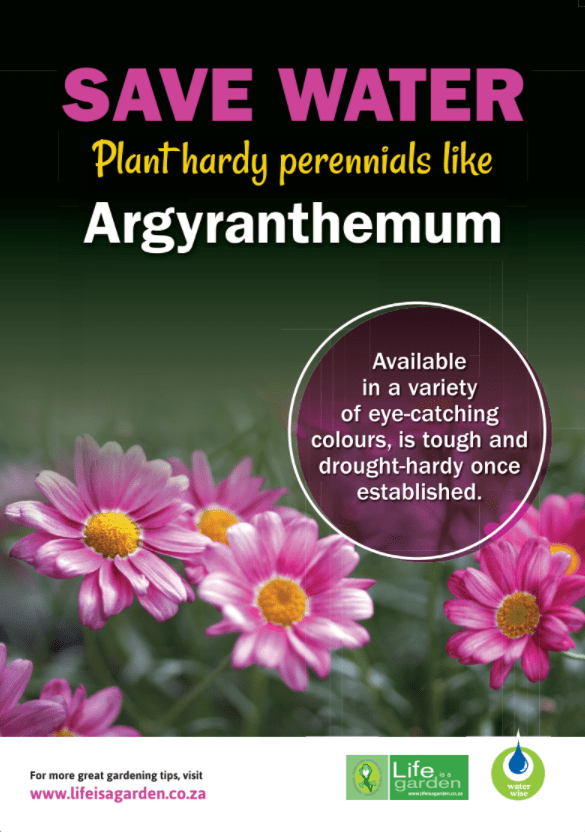
A1 Water Wise Poster on Argyranthemum, with the Cape Water system
Please note: The lines that are visible on the preview will not be visible on the actual print-out
Preview
A1 Water Wise Poster (Argyranthemum) – Without Rand Water System

A1 Water Wise Poster on Argyranthemum, without the Rand Water/drop-system
Note: Please note that the lines visible on the preview will not be visible on the actual print-out
Preview
What to do about rodents in your garden


Symptoms
Our “gogga” of the month for July (the rodent) makes holes in the ground, nests in tree and shrub roots, and in overgrown places, chew marks in fruit and/or veggies
What does this mean for me/my plants?
Aside from physical damage to plants, wires and wood, rodents carry different diseases and if left to attack vegetables and fruit, will spread these diseases on to the harvest, which could be fatal for animals and humans.
Suggested Action
Apply a single feed or multiple feed rodenticide. Do not touch the rodenticide. You will have to apply more than one feed as a rat does not die from one feed. Never put feed in the same place as a rat will only eat once at a certain feeding spot. Rats and mice move into barns, stables & houses in winter due to the cold and because their is no feed available in gardens and fields.Visit your local GCA garden centre for advice on the best rodenticide for you!
Kids Activity July – Making a Cement Planter
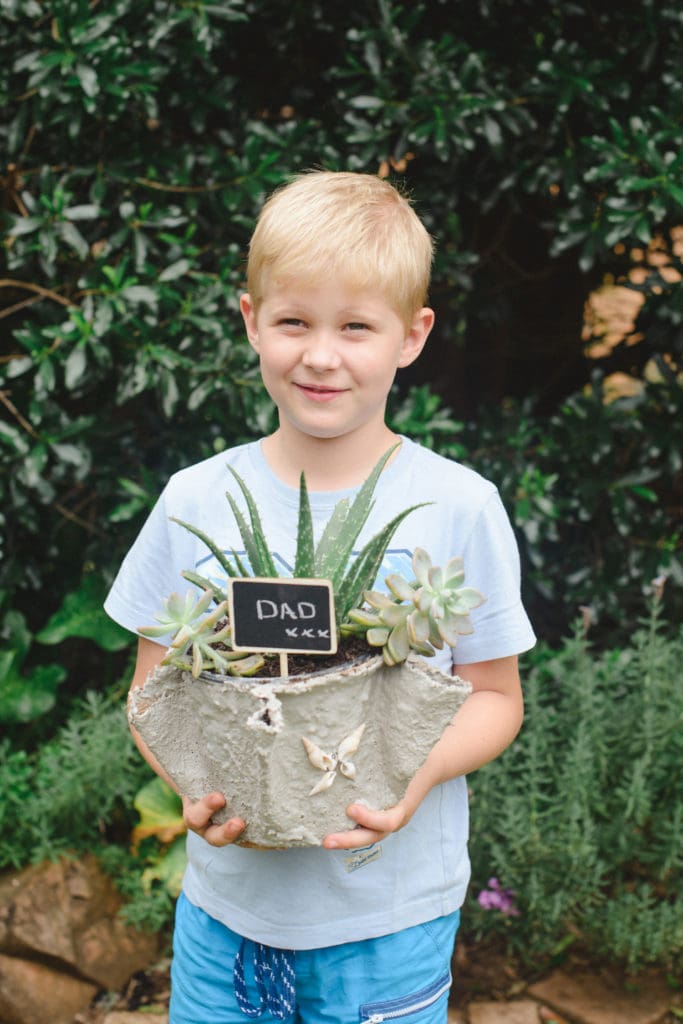
Family Time in the Garden
Family time is so important. In the blink of an eye, your kiddies will be all grown up, so it’s essential that you spend as much time having fun with them, creating memories to always look back on.
With the July Holidays coming up, your kid will be a busy bee! Take one day out of your child’s busy holiday schedule and spend some time bonding over a DIY project planter - one everybody can be involved in! It’s time to create, get outside with your kids and have fun while doing it.
What you will need:
- Fine sand
- Cement
- Water
- An old bucket
- A scraper or old trowel
- Rubber gloves (2 x pairs)
- Old newspaper/an old plant drip tray, covered in foil
- A medium-sized succulent in its original plastic pot
- A piece of hessian cloth, cut to the size of the plant pot you have
- Smaller succulents to go around the bigger-sized plant
- Stones
- Potting mix
- Mini chalkboard and chalk
- Some shells or beads
July in the Garden

In bygone days, gardeners would spend mid-winter poring over seed catalogues and planting bare-rooted roses and fruit trees sent to them by snail-mail or rail. Nowadays, we go to well-stocked GCA nurseries in winter to buy what’s flowering and looking good!
Trend planting
The Pantone colour for 2017 is totally inspired by nature – refreshing, renewing and reviving green. Filling your house and patio with lacy ferns which are once again very fashionable, is definitely on trend! It is also said that ferns of all kinds clean the air and being surrounded by them, leaves one with a sense of well-being and calm. Stock up on your fern collection by adding the following easy-to-grow species: Maidenhair, (Adiantum) Rabbit’s Foot (Davallia), Holly Fern (Cyrtomium), Boston Fern (Nephrolepsis) and all the dainty varieties of Pteris.
Display them in bright light, away from cold drafts, keep their roots just moist, and feed regularly with a water soluble fertiliser.
Lovely lavender
 Winter is lavender planting time and here’s a selection of the best lavenders for your garden:
- Lavandula angustifolia – compact and bushy with small, grey-green leaves and long flower spikes in deep purple.
- Lavandula dentata (toothed lavender) – spreading, bushy shrubs with scalloped foliage which are either dark green or grey depending on the variety. Fragrant, purple-blue flowers.
- Lavandula x intermedia (English lavender) – vigorous hybrid with a spreading growth habit and aromatic grey-green leaves. Tall flower spikes covered in small mauve flowers.
- Lavandula stoechas (french lavender) – numerous hybrids available of this compact bushy shrub with slender green leaves. Short spikes of purple or pink flowers topped with two colourful bracts looking like rabbit ears.
Bedding besties – Calendula
If you did not get around to planting Calendulas in March or April you can still get flowering plants from your GCA.
Healthy Herb: July – Lovely Lavender

Lavender, a magnet for bees and other insects, is the queen of herbs – loved for its beauty, fragrance and the sense of well-being that it imparts.
If you plant just one herb, it should be lavender, for no other herb combines so many qualities in one plant. Its beauty and fragrance are self-evident, it is a significant healing and tonic herb, it has a myriad of culinary, beauty and household uses, and can play a role as a pest-repelling plant in the garden. According to ancient records, you can even smoke it! For all that, lavender is the one herb that is least likely to be found in the herb garden. Instead, it is usually grown with roses, clipped into hedges, used to line pathways or fill containers, and can also act as a silvery grey foliage plant in the garden. As a landscape plant, it is one of the best, and when in flower, it is breathtaking. Gardeners travel halfway around the world to view the lavender fields of France and Britain. Even in a domestic garden, a lavender bush in full flower stands out as a feature.
 Five tips for growing lavender

This Mediterranean herb likes cool, wet winters and hot, dry summers, making it ideal for Western Cape gardens. That doesn’t mean it can’t grow successfully elsewhere, even in hot, wet, summer-rainfall areas.
- Plant lavender in a sunny position where it receives at least full morning or afternoon sun.
- Make sure the soil drains well, adding plenty of compost and other organics. If you have clay soil, rather grow lavender in pots.
- Space plants well enough apart so that there is adequate air movement, which prevents fungal disease. For informal planting, space bushes 45cm to 90cm apart. For hedging, plant up to 60cm apart.
- Water well to establish and then reduce watering, especially during a rainy period.
SANA Marketing News: June 2017

Your one-stop link for news in June 2017!
Click here to read the First Marketing Newsletter for June

Click here to read the Analytics and Publicity Report for June
Winter Warmth and Smiles

No garden should be without calendulas at this time of year; it’s the only way to guarantee a little burst of sunshine when the weather fails you! Whether it’s a sweep of golden blooms or a vivacious display in a pot, calendulas are a golden ray on a cold winter day. What’s more, even the most inexperienced of gardeners can grow them easily.
Most of us have childhood memories of squeezing the flowers of Antirrhinums together to make dragon mouths. Snapdragons are not only an endless source of amusement to children, they are ideal for bringing striking colour into the garden.
Calendula
Calendulas are one of the most versatile flowers to work with, especially as they are so easy to grow. Whether it’s in a bed, a pot or a vegetable garden, calendulas add a reliable touch of warmth to any garden. Calendulas tend to grow well in rich soil, but can also tolerate average to slightly poor soils. Water your calendula plants once or twice a week but remember that they do not like standing in wet, soggy soil so plant them with compatible plants.
Position them in partial shade or in an area that will receive a full dose of sunshine every day. These plants will flourish in nearly every light condition with the only exception being deep shade. They do best, however, if planted in sunny locations with rich, well-drained soil. Don’t forget to deadhead your plants by removing the dying flower heads to encourage them to keep on flowering more and for longer!
Antirrhinums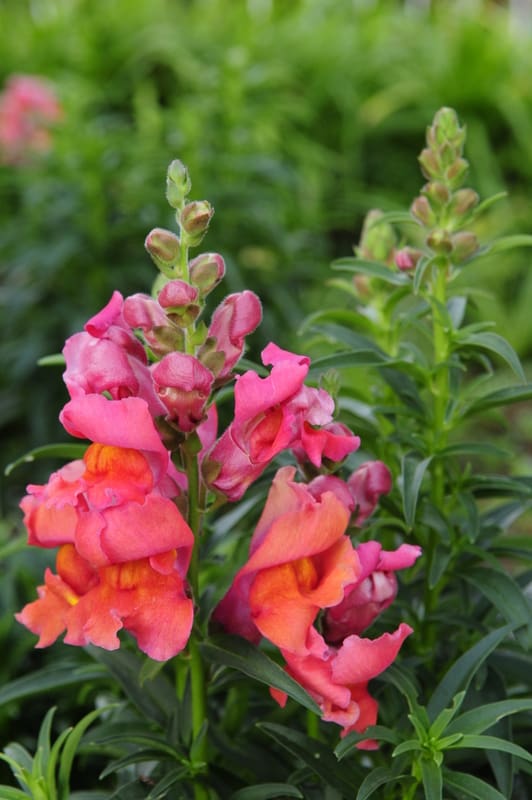
Antirrhinums tolerate light frost so you can still plant these delightful beauties if you live in one of the colder parts of the country. They are easy to grow in any well-drained, reasonably fertile, garden soil, but prefer a light or medium loam – so add in plenty of compost when preparing the bed.
Order Form – Stickers & Giant Sunflower POS – “Gardening for The Sunflower Fund”

Campaign Info:
- Campaign dates: 16 August – 16 September (4 weeks, ending on Sunflower Day)
- LIAG to design stickers, posters and big Correx sunflowers, for any members.
- Minimum order of 1,250 stickers at R2 each (incl. VAT), delivered.
- SANA to invoice members COD.
- Additional stickers purchased at R1.75 each incl. VAT.
- Posters and POS will be added to trade page for download.
- Topes can be purchased from The Sunflower Fund by retailers
- GCA’s to put stickers on any products, do a display and take pictures. Send pics to Life is a Garden, and we can send to The Sunflower Fund for their social media campaign and press releases. Potential for exposure is huge.
- Suppliers who don’t intend using all their purchased stickers on their own products, and/or their sunflowers can donate these to retailers
- Consumer call to action: “Support The Sunflower Fund by visiting your local GCA Garden Centre and purchasing any stickered product. Proceeds go to The Sunflower Fund”
- Closing date for sticker orders is 28 July – scroll down to download the order form for stickers and giant sunflower POS. Print it out and send to nikki@lifeisagarden.co.za
Preview

Download: here!
How to Prune Plants Read more here
 Read more here
How to Get Your Website Content to Appear on Pinterest

A screen-cast detailing how members can get their business website content on their Pinterest profiles and how it helps