
How to lift/move trees and shrubs easily! Read more here
 Read more here
Garden Day 2017

A quick recap about Garden Day
- In 2016, Garden Day’s team planted the seeds for South Africa’s first ever Garden Day, which sprouted as an idea from a group of enthusiastic, local gardeners who wanted to start a movement to unite South Africans by creating a day where everyone can enjoy and celebrate their gardens together.
- Garden Day 2016 was a huge success and as a result they’re pleased to be germinating ideas and potting new plans for Garden Day 2017, which will take place this year on Sunday 15 October.
In this light Garden Day will be sending you Garden Day 2017 promotional material that includes:
- 2 x Garden Day 2017 A2 posters, which you can display in your windows and public areas.
- 200 x A5 flyers with FAQs about Garden Day, which you can hand out to your customers at central points and/or cash registers.
Delivery of Garden Day 2017 Promotional Material
As promised, the Garden Day team will post your promotional material to your postal address. You can expect to receive the promotional material in the 2nd week in September.
Over and above the posters and flyers it goes without saying that your support would be invaluable in helping the Garden Day team to spread the news and nurture the movement in any of the following ways …
In-store Promotion
- Use Garden Day to run a special promotion at your nursery or Garden Centre. For example – offer a discount on a specific plant/product in the weeks leading up the Garden Day (i.e. to prepare your garden for Garden Day).
- In addition, your promotions can be shared on the Garden Day website www.gardenday.co.za – on the promotions page: www.gardenday.co.za/promotions with a direct link to your website.
- NB, please note! Please ensure that you send us the information on your promotion and your logo before or by Friday 18 August so that we can ensure to upload it to the Garden Day website.
Top Plants for September
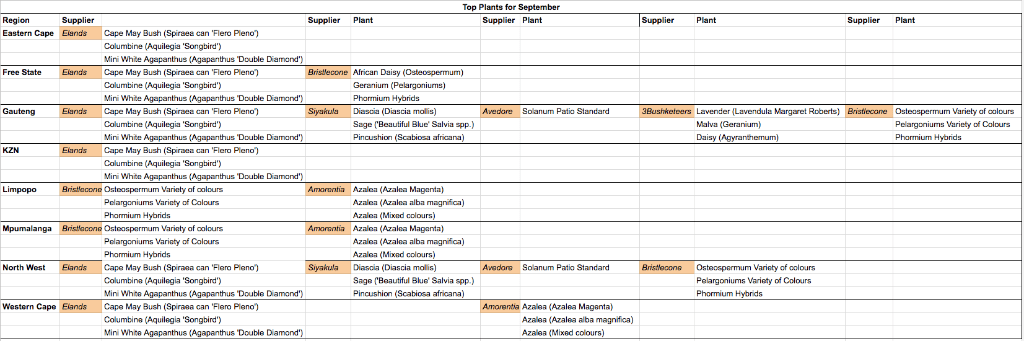
A list of the top plants per region, for September, to order for your garden centre
Preview

Download here!
What to do about mole crickets

Symptoms
Our “gogga” of the month for August (the mole cricket) makes unevenly raised burrows in the lawn and/or patches of dying grass
What does this mean for me/my plants?
These critters will ruin the lawn and if not treated, will burrow deeper and deeper into the soil, making it more difficult to treat them.
Suggested Action
Mole crickets are destructive pests on lawns. A contact /systemic insecticide drench should be directed toward young nymphs. Treatments must commence from October to early April, on the more vulnerable nymphs. This is more effective than later treatments on larger mole crickets. Visit your local GCA garden centre for advice on the best insecticide for you!
A1 Water Wise Poster (Osteospermum) – With Cape Water System

A1 Water Wise Poster on Osteospermum, with the Cape Water/drop-system
Please note: The lines shown in the image below will not appear in printing
Preview
A1 Water Wise Poster (Osteospermum) – Without Rand Water System

A1 Water Wise Poster on Osteospermum, without the Rand Water/drop-system
Please note: The lines shown in the image below will not appear in printing
Preview
A1 Water Wise Poster (Osteospermum) – With Rand Water System

A1 Water Wise Poster on Osteospermum, with the Rand Water/drop-system
Please note: The lines shown in the image below will not appear in printing
Preview
A1 Poster – Perfect for the Patio: Ficus nitida

A1 poster detailing the “Perfect for the Patio” plant for August – Ficus nitida
Preview
Cheerfully Pretty

If you are like many, living a hectic lifestyle with precious little time to potter around the garden, then Petunias are for you. They are one of those rare gems that reward very little care with masses of blooms. Petunias are one of the most recognisable and popular of the ornamental bedding plants. This is probably due to their hardiness coupled with their ability to bloom prolifically. There is a Petunia for every season and for every garden.
Garden plants don’t get more typically cheerful than Chrysanthemum paludosum. You’d be forgiven for thinking this small creeping daisy, with its all too familiar white petals and yellow centre, has its roots in South Africa, especially when you hear them referred to as Madeliefies! They are in fact native to the Mediterranean basin though, but don’t let that stop you from enjoying them to their fullest.
Petunia
When planting Petunias, whether in containers, window boxes or beds, placing them along a north-facing wall is preferable, as it will trap a lot of heat and light. These are a prime growing position for petunias and will encourage them to flower throughout winter and spring – for up to five months!
Whilst your soil needn’t be particularly rich to grow good petunias, it must drain well. After planting, water regularly until the seedlings are established. Once settled, the secret behind successful Petunias is to allow the soil to dry slightly out before watering again. This is important as the drying out cycle encourages them to flower more profusely and keeps pathogens at bay.
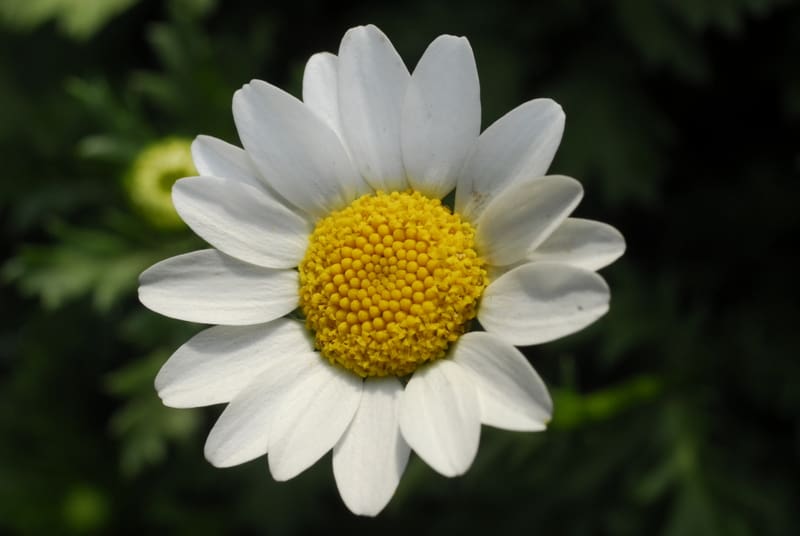 Chrysanthemum Paludosum
Chrysanthemum paludosum, also known as Creeping Daisy or Madelifies, produce masses of flowers from spring all the way through to late autumn. Their creeping nature make them excellent specimens for hanging baskets, containers and window boxes but they’re also just as comfortable growing over an empty bed, as capably as dedicated ground covers do.
A3 Garden Day Poster
An A3 version of the 2017 Garden Day poster for your garden centre
Preview
Download here!
A2 Garden Day Poster

An A2 version of the 2017 Garden Day poster for your garden centre
Preview
Download here!
How to share an image to your own Facebook page and tag someone else Read more here
 Read more here
New Products Available at Your Local GCA Garden Centre!


Life is a Garden in the Community #67Minutes Read more here
 Read more here
August in the Garden

The sap is rising and most of nature awakens once more in expectation of another spring and major growing season to come… It is time to think about composting, planting, making pretty and tooling up. Visit your closest GCA garden centre to check out what’s in, and what’s in bloom!
Tie a knot somewhere: Wednesday 9 August is National Women’s Day, which means that you will have a public holiday in the middle of the week to spend in the company of ladies first, and then with plants!
 Trending: Potted trees and hot leaves
Page through any decor magazine and you will see thick stalks with dramatic leaves, gracing huge glass vases as decor items. You will also notice that bold leaved houseplants like the old ‘parlour palm’ and lush potted trees indoors, are in fashion again. Consider Ficus microcarpa (nitida) and Ficus benjamina as perfect trees to grow in large pots on your patio and also indoors. To complete the ‘jungle look’ which is so trendy this year, also plant Philodendron selloum, Dracaena varieties and Chrysalidocarpus lutescens (Bamboo palm) in patio pots.
Smart Planting for days of Powerful Flowers
Delosperma ‘Wheels of Wonder’ is a new-age vygie with big shiny flowers from early summer to early winter. It is drought, disease and frost tolerant, and perfect for full sun.
Lavandula varieties – Unusual purple spikes of flowers hold waving mauve petals from the top. There are also varieties available in white and pink. Excellent in mixed containers, as well as a hot, sunny border. Drought tolerant once established. Flowers are very attractive to butterflies.
Argyranthemum ‘Angelic’ and ‘Madeira’ – these ranges of daisy bushes produce an abundance of flowers on compact plants. The flowers are produced above the foliage and appear from early spring right through the summer season.
Perfect for the Patio – Ficus nitida

 Ficus plants are amongst the most popular foliage plants for indoor containers. Whilst there are hundreds of different species, there are only a few prized for their lush green foliage and successful growth indoors. Ficus nitida is one of these.
As trends globally continue to feature and include plants and foliage – the use of indoor plants is growing. Although most Ficus will grow into huge trees in the open and in frost free areas, they adapt very well to growing in containers, both indoors and out. They are ideally suited to smaller homes and townhouses, with limited space, contained gardens and patios. Individual pots make a stylish feature, whereas a row of plants or hedged plants offer the practicality in the form of screening, both visually and for sound!
Ficus trees maintain their tree-like shape regardless of size. They are excellent container plants that add an instant feature, whether small, medium or large; to homes, offices & patios.
In recent years, imaginative nurserymen have taken advantage of Ficus’ pliable trunk and you can now select from standard, braided and twisted forms which continue to grow in demand and popularity.
Ficus microcarpa var. nitida is more commonly known as the ‘Indian laurel’. It has a lovely silvery bark with glossy, shiny leaves. Ficus varieties have recently been identified to possess air purifying qualities. According to NASA’s Clean Air Study, Ficus’ absorb airborne VOC’s (volatile organic compounds), effectively purifying the air. In corporate environments, indoor plants have been proven to increase mood & productivity, enhance concentration and reduce stress and fatigue… how awesome is that! In the home environment, they do this too … AND they look good and make you feel great ☺
Ficus are fast growing, with a rapidly spreading roots. Their growth is contained by the size of their container, but one should take care when growing Ficus outdoors… Some varieties may be invasive in certain areas and it is advisable to check with your local GCA for advice.
DIY Activity – Make a Mobile Water Feature Read more here!
 Read more here!
Water Starlet (Spiloxene aquatica)
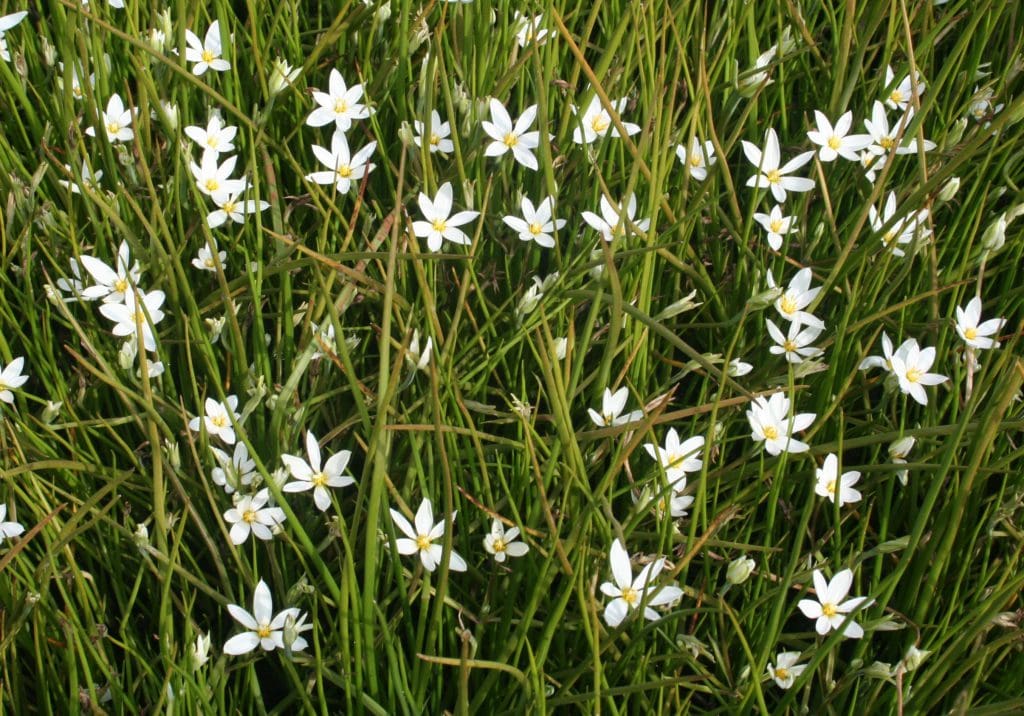

Twinkle, twinkle, little star, how I wonder what you are! Water Starlet is a winter-growing bulb commonly found in seasonal pools, vlei edges and marshes in Namaqualand and the Southern and Eastern Cape. Belonging to the African Potato Family, Water Starlet grows from a smooth, fleshy corm which allows them to survive their long, dry summer dormancy. Bulbs should be planted / watered from early autumn onwards or pots can be submerged into ponds with up to 10 cm of water over the pot. Plants will grow 10-30 cm tall, with spongy, dark green, needle-like leaves. Flowers can appear as early as May and the cheerful spectacle of white, star-shaped flowers with their bright yellow centres can continue until November, brightening up any water garden or wetland! Store pots dry during their summer dormancy. Water Starlets prefer full sun in order to flower well and their flowers will even remain closed during inclement weather – when the blazing sun is gone, when he nothing shines upon…
Gauteng Stockists
Colourful Splendour
Lifestyle Home Garden
Nicolas Plants
Plant Paradise
Safari Tuinsentrum
Schafflers Nursery
Mpumalanga Stockists
North West Stockists
**Please note that not all stockists will have every plant featured**
The Camp Fire plant (Crassula capitella)
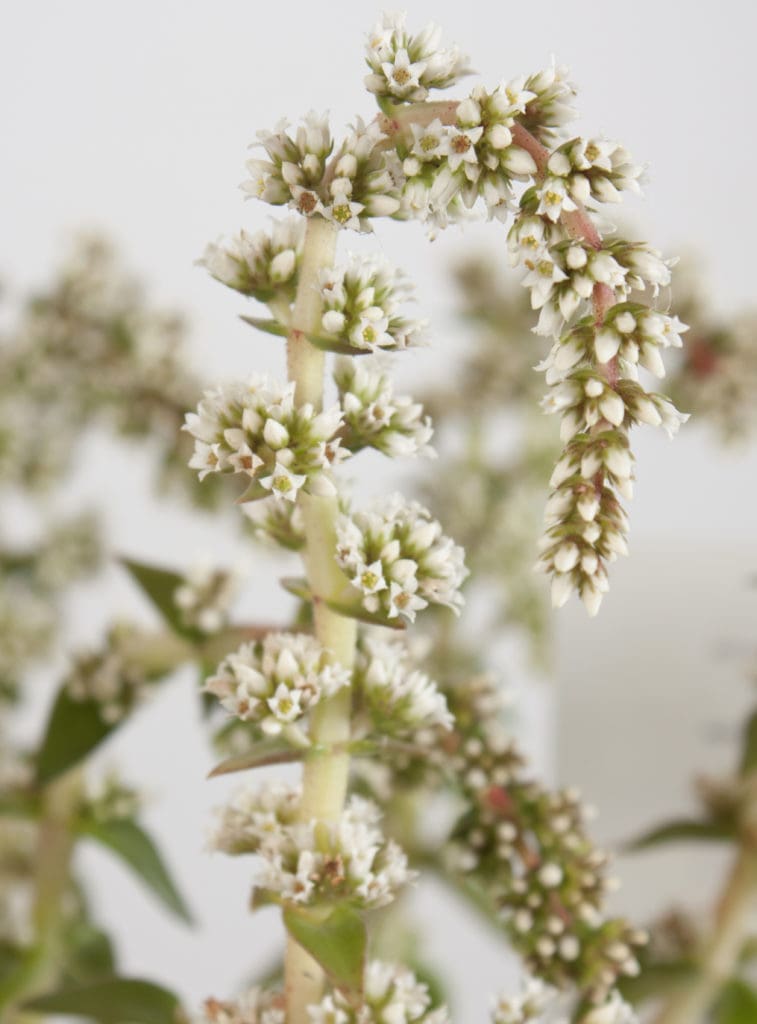

A campfire’s stacked and crisscrossed wood, once lit, gives a magical light as it burns away and the Campfire succulent is aptly named, with its stacked propeller like leaves and beautiful red orange colour.
Crassula capitella is an indigenous perennial succulent that is wonderfully water wise! It likes to grow in well drained soil in full sun and is exceptionally hardy and drought tolerant. Do not over water but rather let it be on the dry side, where it will happily perform in any garden.
This succulent’s fleshy leaves start as lime-green and then mature to a bright red colour. Red colours will be outstanding with longer sun exposure and green colours will be prominent if planted in shade conditions .The Camp Fire Plant produces small white flowers on a stalk in summer. Bees, butterflies and insects are attracted to the flowers and this brings a host of other animals onto the garden.
Should Crassula capitella become overgrown divide the clumps and re plant. They perform well in window boxes, containers and rockeries or why not try them in areas where irrigation is not possible; verges drive ways or public spaces.
Eastern Cape Stockists:
Floradale Nursery – Port Elizabeth
Builders Express East London
Builders Express – Jeffreys Bay
Builders Express – Newton Park
Builders Express – Uitenhage
Builders Warehouse – Port Elizabeth
Free State Stockists:
Alma Kwekery – Welkom
Bruwer Kwekery – Bloemfontein
Builders Warehouse Bloemfontein
Greenside Kwekery – Bloemfontein
Urth Garden Centre – Bloemfontein
Gauteng Stockists:
Colourful Splendour – Craighall Park
Garden Pavilion – Eckards
Garden Pavilion – Sunkist
Plant Paradise Garden Centre – Pretoria
Safari Tuinsentrum – Pretoria
Schaffler’s Nursery – Johannesburg
Limpopo Stockists:
Mpumalanga Stockists:
North West Stockists:
Western Cape Stockists:
Cape Garden – Joostenbergvlakte
Cape Garden – Somerset West
Cape Garden – Stellenbosch
Starke Ayres Garden Centre – Rosebank
Starke Ayres Garden Centre – West Coast Village
Stodels – Bellville
Stodels – Constantia
Stodels – Kenilworth
Stodels – Milnerton
Stodels – Somerset West
Builders Express – Kenilworth
Builders Express – Knysna
Builders Express – Stellenbosch
Builders Express – Willowbridge
Builders Warehouse – Cape Gate
Builders Warehouse – City
Builders Warehouse – Constantiaberg
Builders Warehouse – George
Builders Warehouse – Helderberg
Builders Warehouse – Table View
Builders Warehouse – Tygerberg
**Please note that not all stockists will have every plant featured**
Cape Water Blommetjie (Aponogeton distachyos)
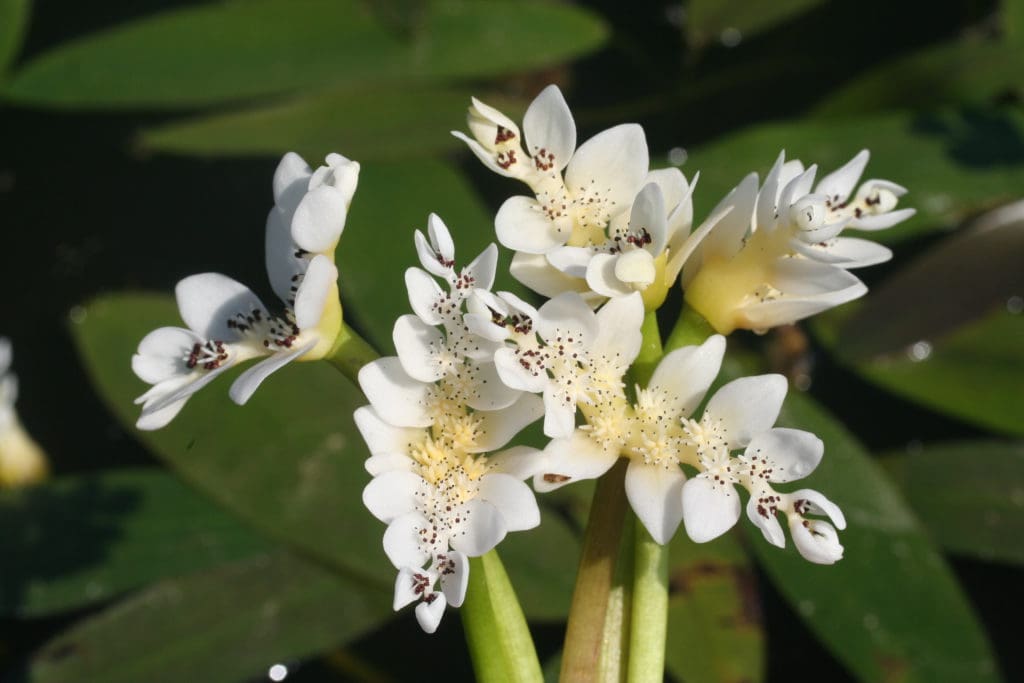

Cape Waterblommetjies occur naturally in the winter rainfall areas of the Cape, bursting forth as soon as the ponds and vleis fill up after the first winter rains. Their long, oval, green leaves are mottled with brown and float on the water’s surface while their sweetly scented, white flowers stand up out of the water – these occur in great profusion from winter to spring. It is these flowers that are the edible part and has become a local delicacy cooked with onions, mutton and a few leaves of the local sorrel (Oxalis pes-caprae). Aponogeton distachyos makes an excellent pond plant, plant tubers in rich loamy soil, and keep in shallow water 40 – 100 cm deep in full sun. Plants may go dormant during warm summer weather or stay semi-evergreen.
Gauteng Stockists
Colourful Splendour
Lifestyle Home Garden
Nicolas Plants
Plant Paradise
Safari Tuinsentrum
Schafflers Nursery
Mpumalanga Stockists
North West Stockists
**Please note that not all stockists will have every plant featured**