
Potato Bush (Solanum Rantonetti)
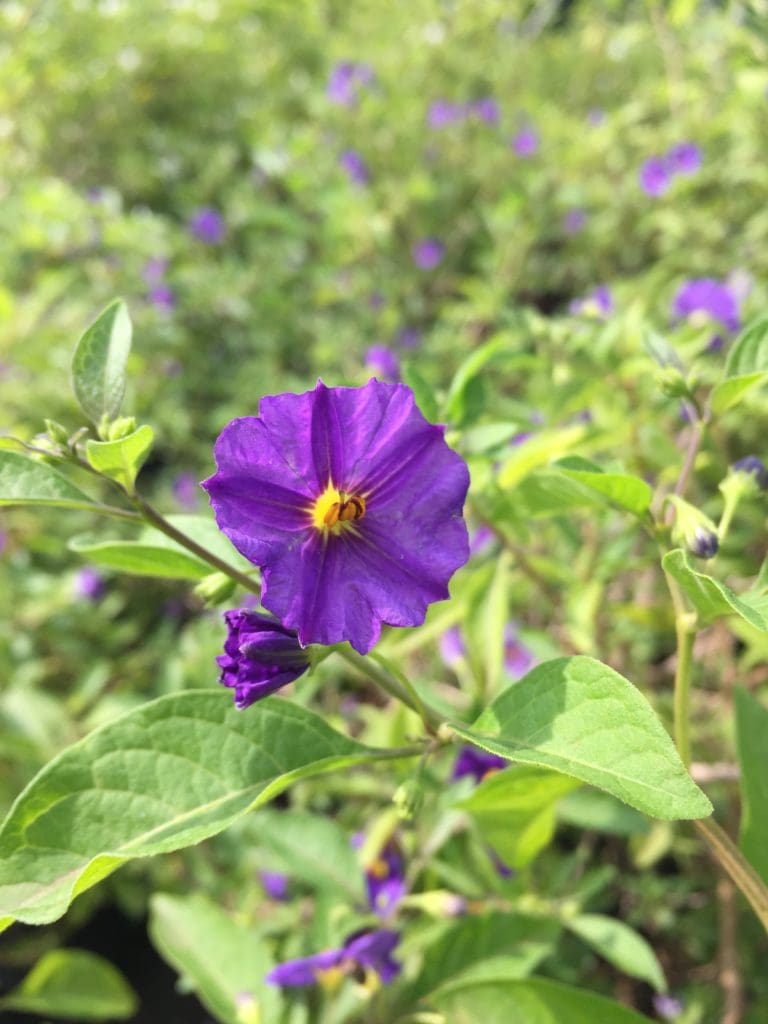

Solanum plant is an attractive shrub that grows up to 2 m tall and wide. It is evergreen in warm climates, and its dense growth habit makes it suitable for use as a hedge or screen. You can also grow it as a tree by removing the lower branches.
The blue solanum is one of about 150 species in the genus solanum, which are found mostly in tropical regions of the Americas, and others located in the asia-pacific region. Solanum plant is grown outdoors in warm climates. In areas with cool winter, grow it as a potted plant that can be brought indoors when frost threatens. In cool areas an abundance of small, flowers bloom in summer and fall. In frost-free areas, it blooms year round. The flowers are followed by bright red berries.
Light Requirements:
Full sun
Water Requirements:
Water regularly
Frost Resistance:
Frost tender
Feeding:
A higher need for potassium is required for Solanum, so a fertilizer mix of 3:1:6 would be sufficient.
Free State Stockists
Alma Kwekery – Welkom
Bruwer Kwekery – Bloemfontein
Greenside Kwekery – Bloemfontein
Urth Garden Centre – Bloemfontein
Gauteng Stockists
Colourful Splendour – Craighall Park
Garden Pavilion – Eckards
Garden Pavilion – Sunkist
Hecker Nursery – Boksburg
Lifestyle Home Garden – Randburg
Nicolas Plants – Northriding
Plant Paradise Garden Centre – Pretoria
Schaffler’s Nursery – Johannesburg
Limpopo Stockists
Mpumalanga Stockists
Garden Pavilion – White River
Ninfa Tuinsentrum – Middelburg
North West Stockists
Garden Pavilion – Geelhout
Sittig’s Nursery – Hartebeespoort
**Please note that not all stockists will have every plant featured**
Francis Mason (Abelia Grandiflora)
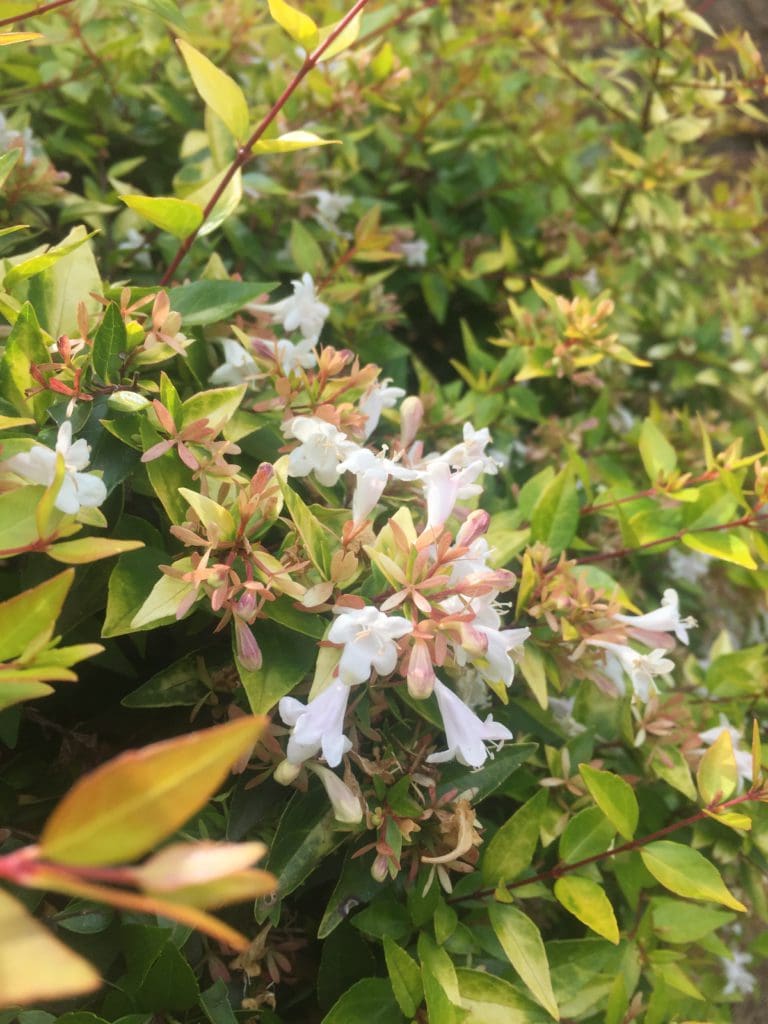

Abelia is an excellent choice for the landscape. It’s versatile and has many positive attractive leaves ranging from green to red with many cultivars to choose from- all with different unique attributes. Fine, small leaves make it a great contrast to other landscape plants.
Abelia is a genus of about 30 species and many hybrids in the honeysuckle family Caprifoliaceae. They are shrubs from 1-6m tall, native to eastern Asia and southern North America; the species from warm climates are evergreen and colder climates are deciduous. The leaves are opposite or in whorls of three, ovate, glossy, dark green, 1.5-8 cm long, turning purplish-bronze to red in autumn in the deciduous species. The flowers appear in the upper leaf axils and stem ends, 1-8 together in the short cyme; they are pendulous, white to pink, bell-shaped with a five-lobed corolla, 1-5 cm long, and usually scented. Flowering continues over a long and continuous period from late spring to fall.
Light Requirements:
Full sun
Water Requirements:
Water regularly weekly or more often in extreme heat. Requires less frequent watering, once established.
Frost Resistance:
Frost hardy
Feeding:
Prefers a more acid soil. A general fertiliser of 2:1:2 will do well for the plants.
Free State Stockists
Alma Kwekery – Welkom
Bruwer Kwekery – Bloemfontein
Greenside Kwekery – Bloemfontein
Urth Garden Centre – Bloemfontein
Gauteng Stockists
Colourful Splendour – Craighall Park
Garden Pavilion – Eckards
Garden Pavilion – Sunkist
Hecker Nursery – Boksburg
Lifestyle Home Garden – Randburg
Nicolas Plants – Northriding
Plant Paradise Garden Centre – Pretoria
Schaffler’s Nursery – Johannesburg
Limpopo Stockists
Mpumalanga Stockists
Garden Pavilion – White River
Ninfa Tuinsentrum – Middelburg
North West Stockists
Garden Pavilion – Geelhout
Sittig’s Nursery – Hartebeespoort
**Please note that not all stockists will have every plant featured**
Moth Orchid (Phalaenopsis)
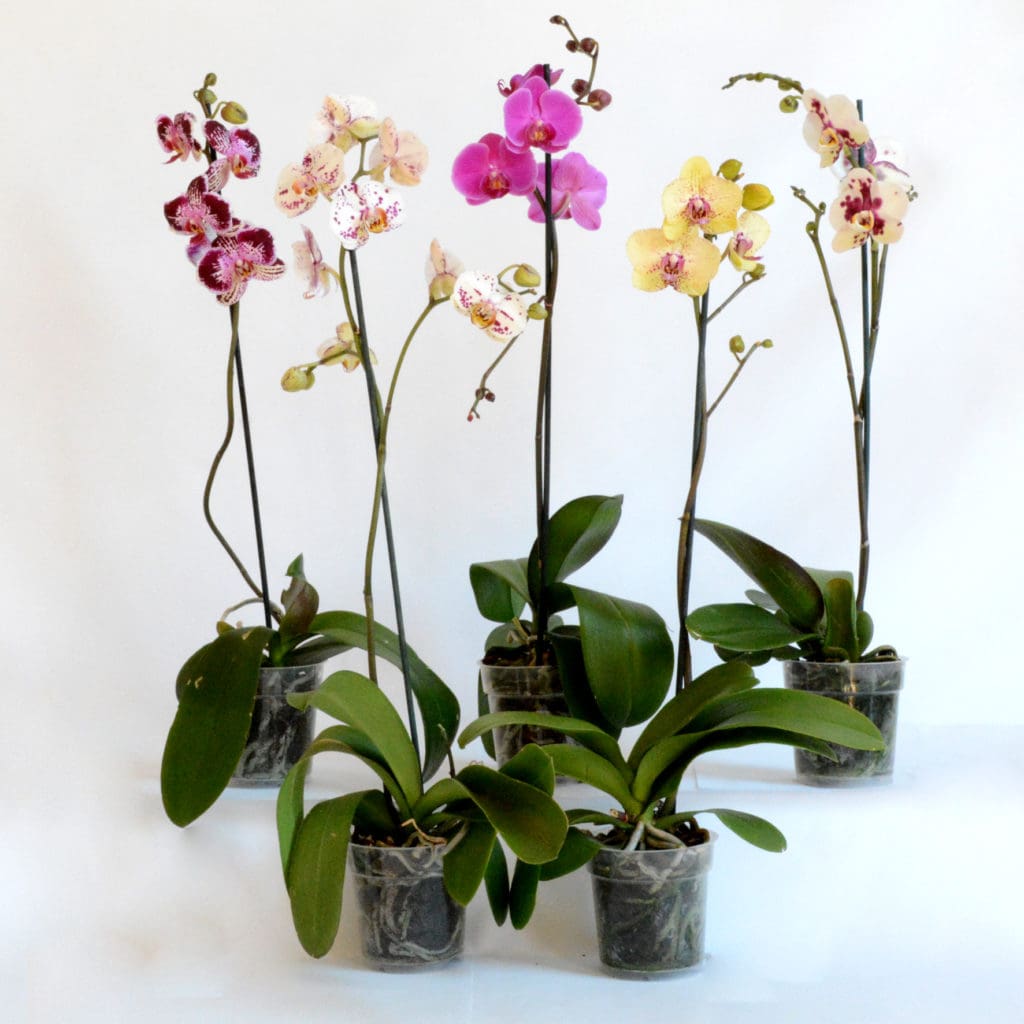

Numerous elegant flowers gracefully wreathed over one or two arching stems resemble moths in flight, and give this orchid its name – the moth orchid. It is a plant which gives the home or office owner double delight. The first joy is to see the beautiful moth orchid for the first time, and the second is in the realisation that it is still flowering after up to three months.
Care Info:
The moth orchid needs no special care, despite its movie star looks. Keep the plant in the see-through plastic container in which it is supplied. Notice that it grows in a special free-draining orchid medium, which looks like big bark chips.
Watering:
Run water through the pot for one minute to wet the potting mix thoroughly. Avoid getting water on foliage. Do not water again until the potting mix is almost dry. This wet to dry process can be 3 to 10 days – depending on the season and the humidity. Moth orchids are supplied in clear plastic pots, so check the moisture levels visually. If you see moisture inside the pot – wait another day before watering. In most cases watering is once every 7 days.
Light:
Bright but indirect sunlight is required to grow and to flower a phalaenopsis. Use leaf colour as a guide to measure if enough light is obtained by the plant. Leaf colour should be medium olive-green. Yellow or dark green usually indicates too much or too little light.
Ideal Indoor Temp:
Phalaenopsis grows best with high humidity. Stand the plant on a tray filled with pebbles to help with catching run-off water after watering and to increase humidity. Keep the bottom of the plastic pot above water level.
Usage:
Bedroom, Bathroom, Kitchen, Study, Office
Flowering Period:
3 months from date of purchase
Availability:
Year round
Special Points:
Draughts – keep your moth orchid out of the breeze.
Bacopa


This brave little groundcover can withstand the hot dry summers and keeps giving flowers for most of the year. They like well-drained soil and minimal water to give the gardener joy.
Available in various colours, they are great for retaining walls, hanging baskets and borders.
Stockists Western Cape:
Cape Garden – Joostenbergvlakte
Cape Garden – Somerset West
Cape Garden – Stellenbosch
Starke Ayres Garden Centre – Rosebank
Starke Ayres Garden Centre – West Coast Village
Stodels – Bellville
Stodels – Constantia
Stodels – Kenilworth
Stodels – Milnerton
Stodels – Somerset West
Builders Express – Stellenbosch
Builders Express – Willowbridge
Builders Warehouse – City
Builders Warehouse – Constantiaberg
Builders Warehouse – Helderberg
Builders Warehouse – Table View
**Please note that not all stockists will have every plant featured**
Pentas lanceolata (Red, Pink, White)

Do you enjoy butterflies in your garden?
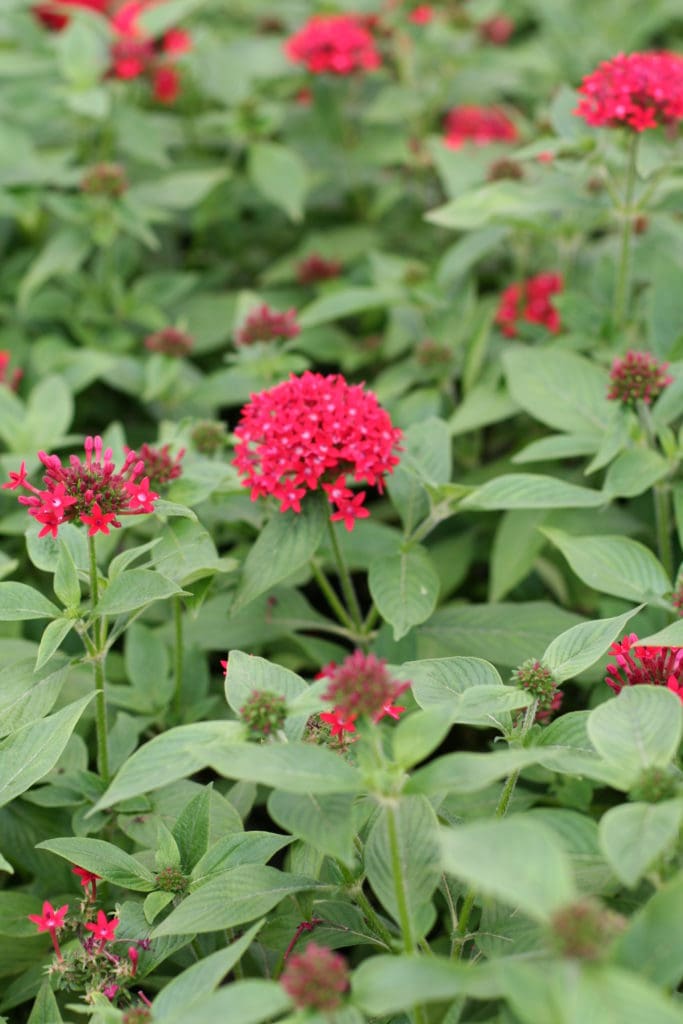
Pentas is a butterfly magnet.
Clusters of star-shaped red, white or pink flowers cover this evergreen bush for most of the year.
It has a rounded growth habit and will enjoy a full sun position in your garden.
For exceptional growth and an abundance of flowers ensure your Pentas is planted in an organically rich soil.
Pentas will grow to a height of approximately 60 cm but takes well to a prune should you need it smaller. Cutting back will also encourage it to maintain a compact growth habit and will encourage more blossoms.
Star clusters are wonderfully versatile plants, they make for long lasting cut flowers for a vase and make first class specimens when planted in a container.
Eastern Cape Stockists:
Floradale Nursery – Port Elizabeth
Builders Express East London
Builders Express – Jeffreys Bay
Builders Express – Newton Park
Builders Express – Uitenhage
Builders Warehouse – Port Elizabeth
Free State Stockists:
Alma Kwekery – Welkom
Bruwer Kwekery – Bloemfontein
Builders Warehouse Bloemfontein
Greenside Kwekery – Bloemfontein
Urth Garden Centre – Bloemfontein
Gauteng Stockists:
Colourful Splendour – Craighall Park
Garden Pavilion – Eckards
Garden Pavilion – Sunkist
Plant Paradise Garden Centre – Pretoria
Safari Tuinsentrum – Pretoria
Schaffler’s Nursery – Johannesburg
Limpopo Stockists:
Mpumalanga Stockists:
North West Stockists:
Western Cape Stockists:
Cape Garden – Joostenbergvlakte
Cape Garden – Somerset West
Cape Garden – Stellenbosch
Starke Ayres Garden Centre – Rosebank
Starke Ayres Garden Centre – West Coast Village
Stodels – Bellville
Stodels – Constantia
Stodels – Kenilworth
Stodels – Milnerton
Stodels – Somerset West
Builders Express – Kenilworth
Builders Express – Knysna
Builders Express – Stellenbosch
Builders Express – Willowbridge
Builders Warehouse – Cape Gate
Builders Warehouse – City
Builders Warehouse – Constantiaberg
Builders Warehouse – George
Builders Warehouse – Helderberg
Builders Warehouse – Table View
Builders Warehouse – Tygerberg
**Please note that not all stockists will have every plant featured**
Heavenly Bamboo (Nandina domestica ‘Pygmaea’)
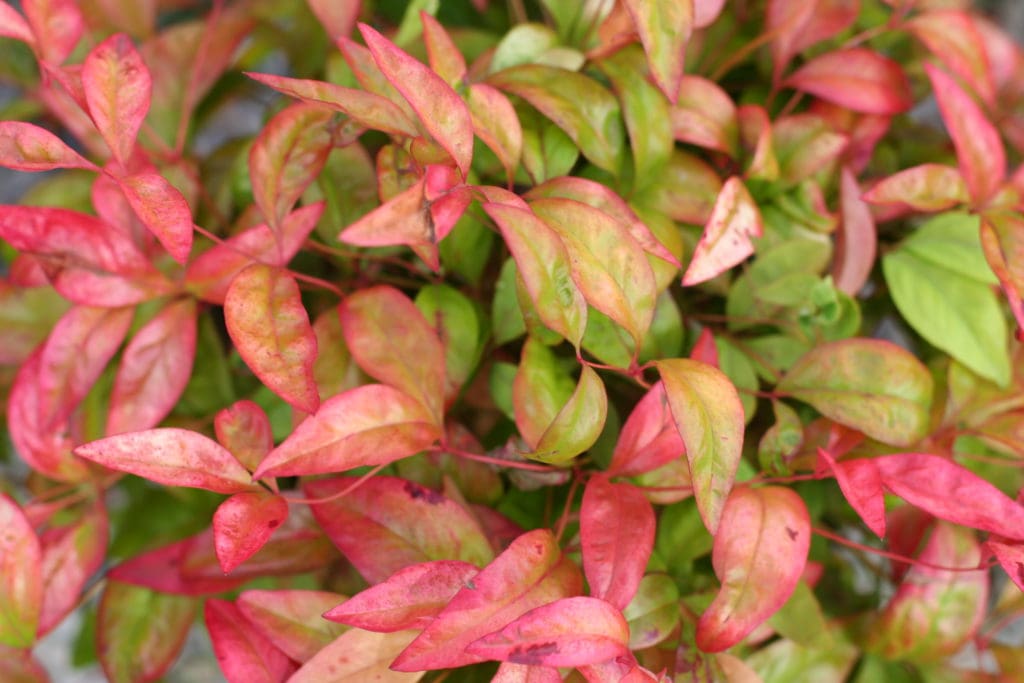

This little evergreen shrub is used extensively for its compact bushy growth and exquisite foliage. Their colours are guaranteed to form an ever changing display through the different seasons. Should you be a coastal gardener, the intense red colours make their appearance in the summer months. For those inland South African gardeners, cold winters will bring on the intense red colours. The spring months bring out bright yellows and lime greens.
Nandina domestica “pygmaea” are able to endure diverse weather conditions, they will tolerate frost but do require fairly regular watering in very dry conditions. They prefer a light sandy soil so are well suited to sandy coastal gardens. They easily reach a height and width of 50 x 50 cm.
Nandina domestica “pygmaea” is a super specimen to use in all areas of the garden. They make excellent borders to garden beds and will always be sure to add a splash of permanent colour where needed.
Eastern Cape Stockists:
Floradale Nursery – Port Elizabeth
Builders Express East London
Builders Express – Jeffreys Bay
Builders Express – Newton Park
Builders Express – Uitenhage
Builders Warehouse – Port Elizabeth
Free State Stockists:
Alma Kwekery – Welkom
Bruwer Kwekery – Bloemfontein
Builders Warehouse Bloemfontein
Greenside Kwekery – Bloemfontein
Urth Garden Centre – Bloemfontein
Gauteng Stockists:
Colourful Splendour – Craighall Park
Garden Pavilion – Eckards
Garden Pavilion – Sunkist
Plant Paradise Garden Centre – Pretoria
Safari Tuinsentrum – Pretoria
Schaffler’s Nursery – Johannesburg
Limpopo Stockists:
Mpumalanga Stockists:
North West Stockists:
Western Cape Stockists:
Cape Garden – Joostenbergvlakte
Cape Garden – Somerset West
Cape Garden – Stellenbosch
Starke Ayres Garden Centre – Rosebank
Starke Ayres Garden Centre – West Coast Village
Stodels – Bellville
Stodels – Constantia
Stodels – Kenilworth
Stodels – Milnerton
Stodels – Somerset West
Builders Express – Kenilworth
Builders Express – Knysna
Builders Express – Stellenbosch
Builders Express – Willowbridge
Builders Warehouse – Cape Gate
Builders Warehouse – City
Builders Warehouse – Constantiaberg
Builders Warehouse – George
Builders Warehouse – Helderberg
Builders Warehouse – Table View
Builders Warehouse – Tygerberg
**Please note that not all stockists will have every plant featured**
Pelargonium
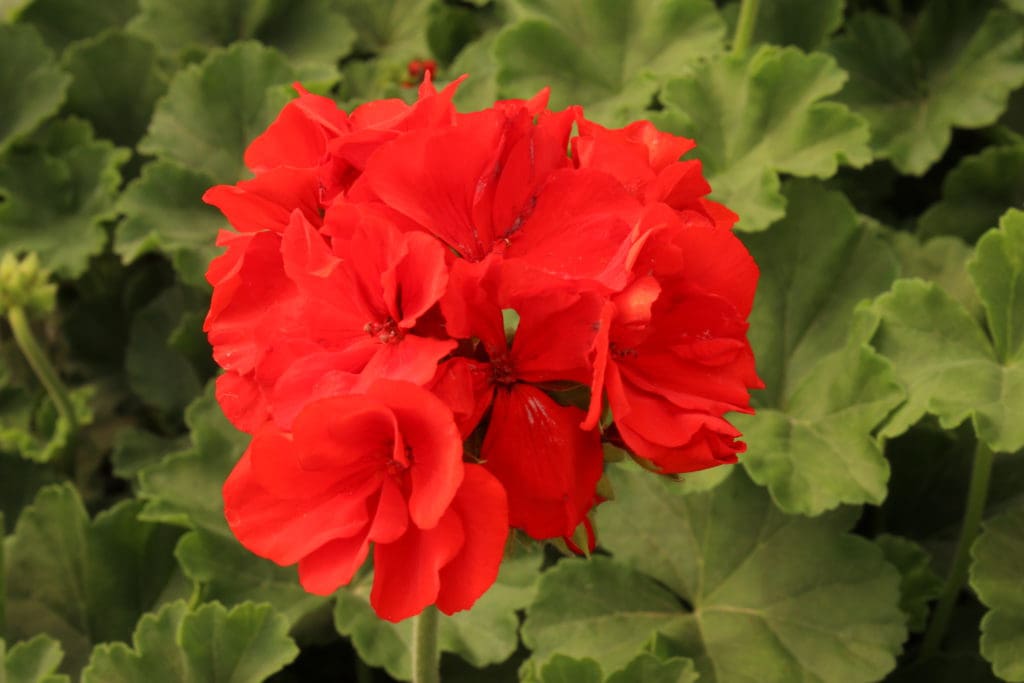

Pelargoniums are available in a wide range of colours and growth habits.
Trailing Pelargoniums are fabulous for hanging baskets, giving a stunning show of colour for most of the year.
Bushy Pelargoniums are great for splashes of colour in beds and borders.
Stockists Western Cape:
Cape Garden – Joostenbergvlakte
Cape Garden – Somerset West
Cape Garden – Stellenbosch
Starke Ayres Garden Centre – Rosebank
Starke Ayres Garden Centre – West Coast Village
Stodels – Bellville
Stodels – Constantia
Stodels – Kenilworth
Stodels – Milnerton
Stodels – Somerset West
Builders Express – Stellenbosch
Builders Express – Willowbridge
Builders Warehouse – City
Builders Warehouse – Constantiaberg
Builders Warehouse – Helderberg
Builders Warehouse – Table View
**Please note that not all stockists will have every plant featured**
A1 Planting for Bees Poster – With Rand Water System

Preview
A1 Planting for Bees Poster – Without Rand Water System

A1 Poster – “Planting for Bees” for your garden centre
Preview
Hebe x franciscana ‘Variegata’

The name Hebe originates from Greek mythology where Hèbè was the name of the daughter of Hera and Zeus. This beautiful maiden was cupbearer of the gods and the goddesses of Mount Olympus, captivating them with her beauty and serving them sweet nectar and ambrosia. With the Hebe plants second name being speciosa (meaning handsome) one can see why this little shrub described as beautiful and handsome should be a must for any garden.
Hebe plants originate from New Zealand with Hebe speciosa x franciscana ‘Variegata’’ a subspecies of the original plants.
Hebe speciosa x franciscana ‘Variegata’’ is an evergreen shrub that has variegated, shiny leaves which are spear-shaped and approximately 5cm long. It grows approximately 50 – 60cm in high and will reach a width of 60cm.
X franciscana ‘Variegata’ has dense spikes of flowers that are blue/pink in colour. This Hebe has a long flowering period that starts in summer and then continues into autumn making it a ‘must have’ for consistent colour in the garden. Cutting back the shrub after flowering you will ensure that it keeps its compact shape and will encourage an even better flush of flowers in the new season.
Hebe’s are ideal for growing in areas where the summers are hot and dry. They are wind, frost and seas spray tolerant. Hebe will grow in the full sun or dappled shade but fewer flowers will be produced in a dappled shade spot in the garden.
Hebe’s also have the added bonus of being classified as water-wise making them good contenders for South African gardens.
Hebe can happily be planted with other shrubs in the garden to create mixed beds and will also do well in a container. Why not try them as a colourful but formal low garden hedge around vegetable and herb gardens?
Bold Clowning Around
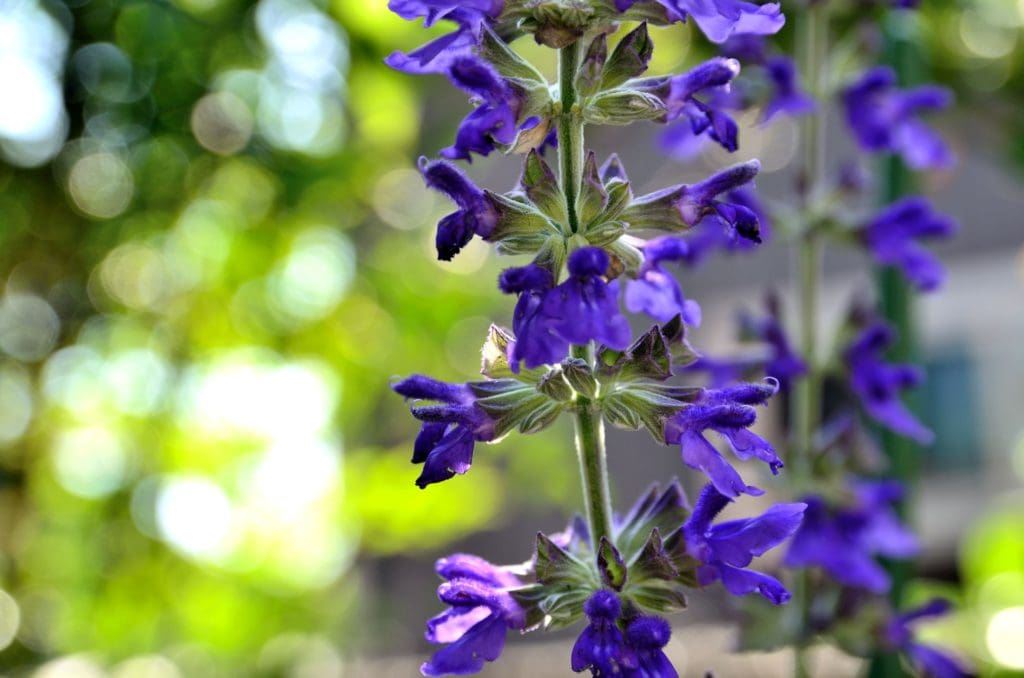
We all have high expectations of the plants we give a home to and while some results may vary, salvias very rarely disappoint. If it’s bold, vibrant colour you are after, coupled with a tough disposition, then they are your answer. Out of the large Salvia family, three members are particularly noteworthy for the summer garden – Salvia splendens, S. farinacea and S. coccinea.
If you’ve never heard of Mimulus before, it’s a great time to become acquainted with this gorgeous little bloom. Mimulus, translated from Latin, means “mime” which refers to the funny clown-face the fat petals of the flower make when viewed head on. Its more well-known name, Monkey Flower, is also a reference to the flower shape and with just the smallest imagination anyone can see a silly monkey face.
Sun Loving Salvias


Salvia splendens, commonly known as scarlet sage or rooi-salie, also comes in shades of red, purple, pink, cream, white and blue. Not only are they easy to grow, with their showy flowers and deep green leaves, this eye-catching bedding plant offers glorious, long-flowering heads 30cm tall. They flourish in full-sun positions and once established, they withstand high summer temperatures.
Salvia farinacea (also known as mealy sage or blue sage) looks stunning in a mass planted bed or when used as a specimen plant on a patio. Though drought tolerant once established, it does prefer moist, but not water logged soil. Fortunately it is not prone to damage by snails and slugs and is fairly self-sufficient except in extreme weather conditions.
Salvia coccinea or scarlet sage occurs naturally in dry soils and waste places from South Carolina to Florida and west to Texas and Central America. In cultivation however, they perform at their best in rich, well-drained soils. They do best in full sun, but will tolerate some intermittent shade.
Growing Scented Roses

 Throughout the ages, man has sought to capture the tantalisingly elusive perfume of the rose. People seem instinctively to bow to a rose bloom – its beauty is a lure that holds the promise of further delight. One inhales deeply, eyes closed to focus the senses and, if the rose proves to be fragrant, ecstasy ensues!
It is a common belief that modern roses have lost the powerful fragrance of older varieties. In fact, most fragrant old rose varieties are still being grown today. What is more, most modern roses are superior in flowering ability, brightness of colour, shape of flower and firmness of petal.
Some 25 different sorts of rose scents can be identified and some roses have a mixture of these perfumes. Most Hybrid Teas appear to contain seven of the basic scents associated with the genus, or a mixture of them: rose, nasturtium, oris, violet, apple, lemon and clover.

To identify rose perfume:
Begin with a brief sniff, no more than a few seconds long, lest the hypersensitive nasal olfactory cells become anaesthetized. Let your memory go to work. Explore your personal collection of scents for a similar fragrance.
Having analysed the head space, take a deeper sniff and smell the heart and then the base of the rose. (Remember that it takes 12 hours for a rose to play all its notes, and the composition of smells varies during the day.)

On average, people are able to memorise and identify several hundred different smells. Henri Delbard, in A Passion for Roses, appends colours to scents and allocates a pyramid of colours to each variety. Since scent is generated when alcohol oxidises, temperature plays a major role in the release of perfume. On warm days, fragrance is strongest. During cold spells, fragrant varieties may lose all trace of their perfume; while extreme heat can cause fragrance to escape faster than it is made.
February in the Garden
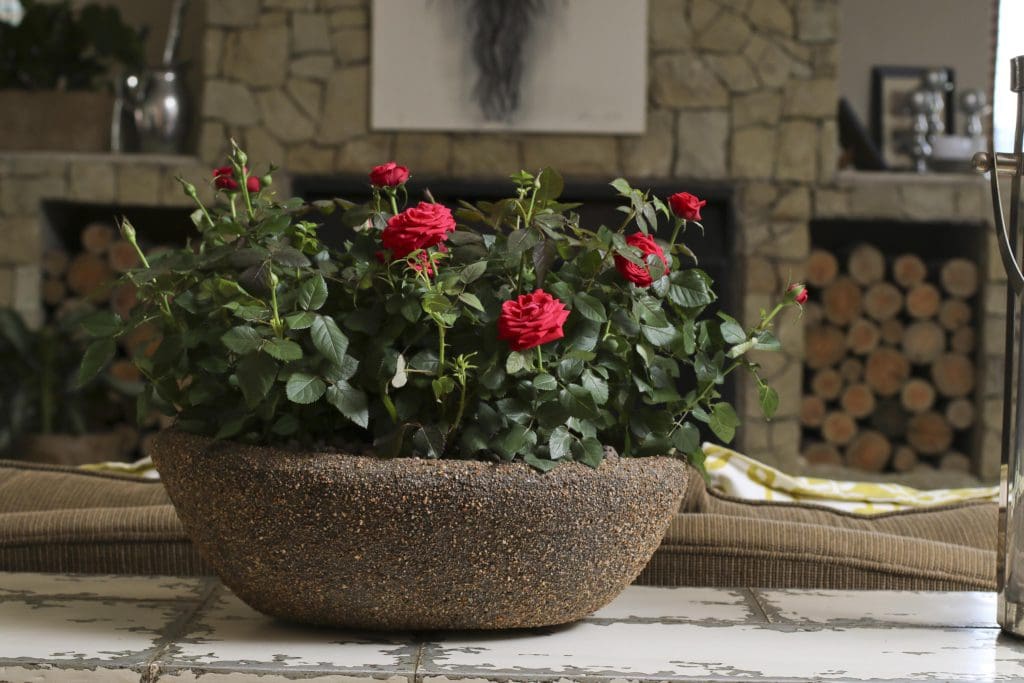
Let your love bloom in this Valentine’s month when you fill your garden (and heart) with stunning flowering plants in the most passionate colours, available at your favourite nursery.
Romancing the dwarf rose
 Why settle for one short-lived long-stemmed red rose when you can rather have a patio filled with potted roses. Miniature rose varieties collectively known as “patio roses” are freely available in warm seasons. They flower profusely if kept in good light and are protected at root level with a layer of organic mulch to keep their roots cool and moist.
Give love with a “love palm”
The dwarf parlour palm (Chamaedorea elegans) hailing from tropical rainforests has such a sexy and lush appearance, that it has earned itself the more well-known common name of ‘Love palm’. It is the perfect ‘love token’ to grab a Valentine’s attention.
Green and bold-leafed plants in general, (which include huge palms) and botanical prints on upholstery, have become trendy decor items indoors. So, if you want to spend a little more, invest in the graceful Kentia palm (Howea belmoreana) as well.

Sweet and juicy
In yesteryear, strawberry planting time used to be in April when baby plantlets were removed from the mother plant to fill a newly, compost and manure enriched strawberry patch. Nowadays you will always find ready-to-plant strawberry plants in nurseries. Plant them up in window boxes or hanging bowls, feed and water often and enjoy their beauty, even when not in fruit anymore.
Colouring in…
Replace tired bedding plants with seedlings of heat-loving Salvia splendens ‘Blaze of Fire’ or ‘Flare’ bright red. Complement the bright red upright flower spikes with silvery-grey Cineraria ‘Dusty miller’ – they like it hot and dry and will give you a flower and foliage-filled transition into late autumn.
How to plant grass plugs Read more here
 Read more here
Dealing with whitefly
Find out you can cope with whitefly infestations in your garden.

Whitefly
Is your garden infested with whiteflies? If you are not sure, look out for leaves that are white to silverish with small black dots. Whitefly infestations mainly occur on those plants cultivated under cover. However, in gardens, onions, peas and fuchsias seem to be particularly vulnerable. Outdoor whitefly infestations commonly occur during extended warm, dry spells. However, the damage done during these infestations is usually not too serious.
Whiteflies are close relatives of the woolly aphid and scale, and they look somewhat like minute moths. The adult flies are approximately 2mm long with four winglets. Their bodies and wings are coated with a white waxy dust, which gives them their characteristic dusty-white appearance.
The adult female deposits 2-3 eggs daily on the underside of leaves and, during her adult lifespan, she will lay up to 150 eggs. The yellowish-green, transparent, flat larvae will hatch after a couple of days. The adult whiteflies and their larvae remain on the underside of leaves and weaken plants by sucking sap. Whiteflies thrive under greenhouse conditions and can be ‘imported’ into the house and garden by plants cultivated under cover. Plants especially vulnerable to whitefly attack are tomatoes, cucumbers, beans, geraniums, fuchsias and species of lantana. The whiteflies that attack the various species of brassicas are especially persistent.


 Controlling whitefly
In Europe, whitefly attacks in greenhouses are controlled by releasing predator wasps (Encarsia formosa), which are commercially available at nurseries. The released female wasps lay eggs in the whitefly larvae and the wasp larvae, in turn, feed on the whiteflies. Unfortunately, commercially grown predators are not yet available in South Africa.
Whiteflies are strongly attracted to anything yellow. Cut a square piece of card or plastic, paint it bright yellow or, alternatively, coat thinly with old grease and hang amongst the affected plants.
How to share content directly to your Facebook business profile, via Instagram

A video describing how members can share content directly to their Facebook business profiles, at the same time as uploading to Instagram, via the Instagram app
Top Plants for February

A list of the top plants per region, for February, to order for your garden centre
Preview

Download here!
A1 Planting for Butterflies Poster – Without Rand Water System

A1 Poster – “Planting for Butterflies” for your garden centre
Preview

A1 Planting for Butterflies Poster – With Rand Water System

Preview
Peek-A-Boo
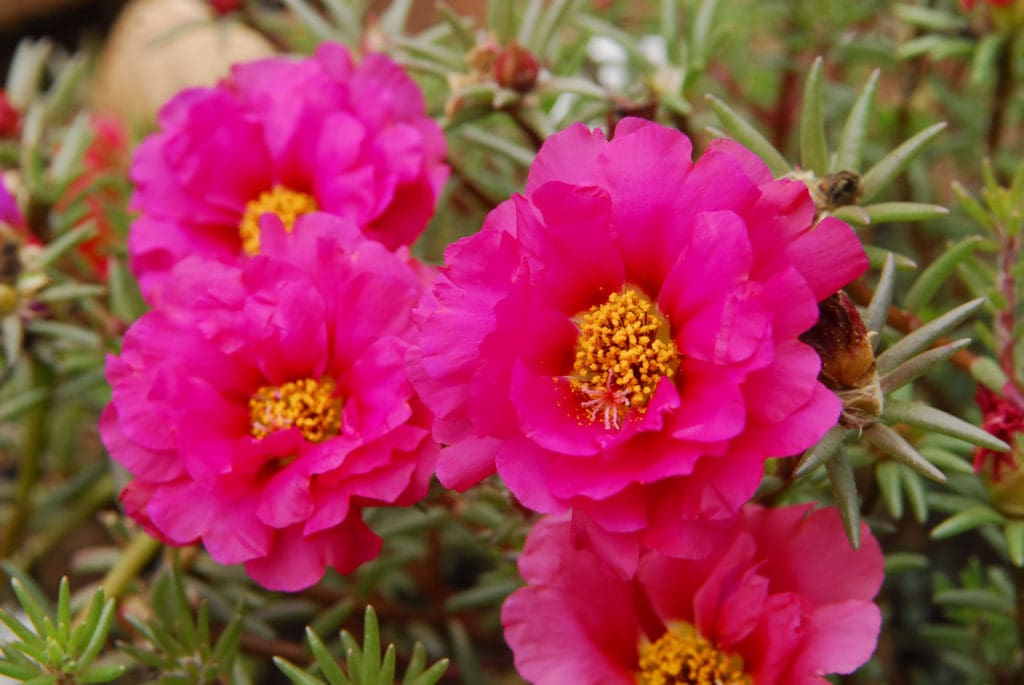
It’s a New Year, a new dawn and surely there is no more appropriate way to see it in than with an annual whose flowers open and shut with the rising and setting of the sun; portulaca. Since South Africa has yet to have decent rainfall across the country and January being typically one of our hottest times, we’re sticking to hardy, more tenacious options. Renowned for their vigorous growth and charming diversity, our companion this month, gazania, also boasts the interesting characteristic of flowers that play peek-a-boo with the sun.
Punchy Portulacas
 Native to the hot, dry plains of southern Brazil, Uruguay and northern Argentina, portulacas are now grown throughout the world as a favourite summer bedding plant. Its popularity, especially in South Africa, is hardly surprising, as this tough little bedding plant rewards the garden with masses of brightly coloured blooms all summer and into autumn.
Portulacas, commonly known as ‘Vygies’ or moss roses, takes the heat better than most – in fact, the hotter it gets, the better they like it. Being a relatively low growing plant, portulacas are best used as a groundcover in front of other foliage type plants, especially succulents. They are also ideal for edging sunny borders, rockeries, driveways or pavements. Because they don’t require a lot of water and have no real pest problems so they would work really well in a xeriscape or water wise garden. Being that they do like it hot, try planting them in a container or hanging basket on a sunny patio or balcony. Their trailing habit will soon push the stems over the edge of the pot with a cascade of eye-catching blooms.
They grow well in poor, sandy or gravelly soils, as long as it drains well. Most importantly they need a sunny home. Dead-heading is not required, but when your moss roses become leggy in the late summer, cut them back a few inches to get another burst of blooms in autumn.