The beginning of the year is always a good time to re-evaluate your garden and make a wish list of what you want to achieve in the year. You may want to restructure, add more storage, invest in some new tools, bring in more wildlife or plant more flowers. Whatever you choose, here are some tips to get started.
Start from the ground up
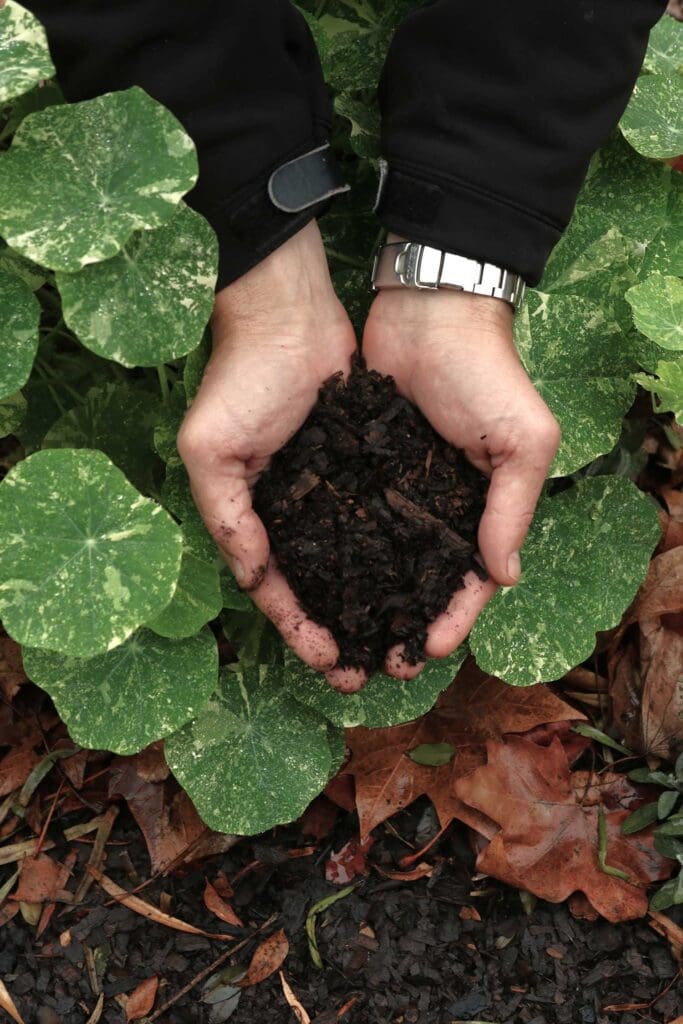
Of utmost importance for a healthy garden is to always improve the soil and build up microbes. Soil microbes form crucial partnerships with plant roots to help them enhance nutrient and water uptake, boost a plant’s resilience, and reduce stress and can even suppress pests and diseases.
To increase microbes and improve the soil:
- Add plenty of organic matter like compost or leaf mould. The planting stage is ideal for adding organics into the soil, and it will give the plants a boost. Also, add organic matter as mulch. A layer of compost 2-3 cm deep is an excellent mulch.
- Make use of cover crops to keep the soil moist; the roots also improve the soil by increasing activity, and the crop is then added as organic matter at the end of the season.
Never leave a nursery without a few bags of compost, or make it a mission this year to make your own.
Be good at planning
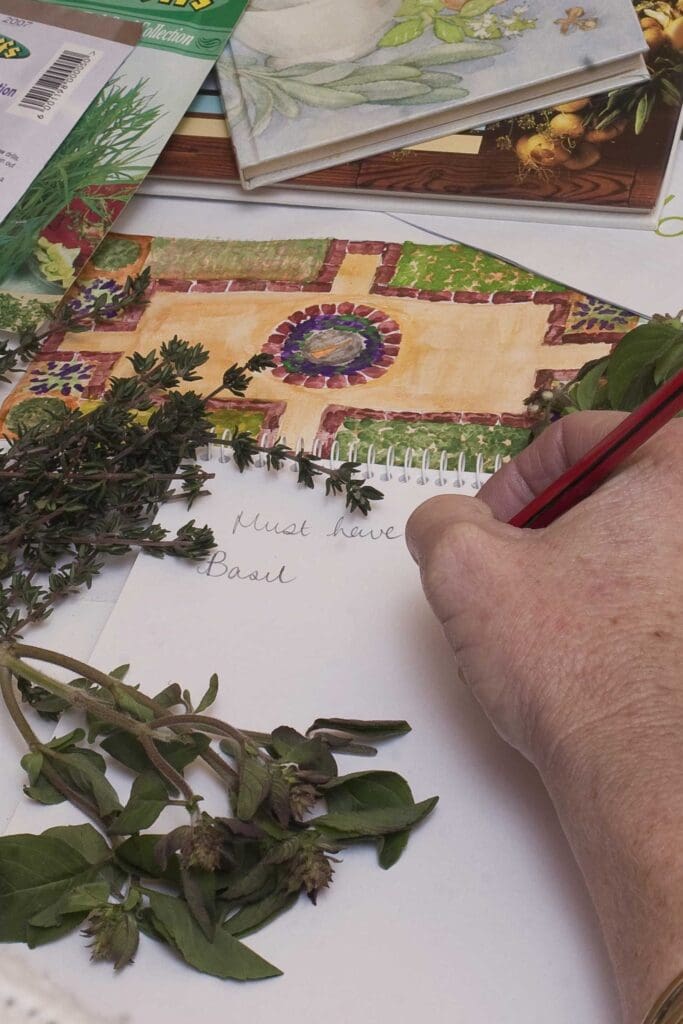
A good plan, even a basic sketch on a piece of paper, will give better results than just winging it. If you have a plan for the entire garden, always start off with one small section at a time. This means lower cost and effort, you are not overwhelmed, and you will see better results. Here are some ideas to get started:
- Most plants will need 6-8 hours of sunlight a day, particularly vegetables, fruit and herbs. The first tip is to observe how the sun moves through the garden so you can place the plants correctly and give them what they need.
- Use the vertical spaces. This can be using a wall to add a trellis and a creeper, adding arches and pergolas to divide spaces into rooms, planting low or high hedges, or planting trees.
- Divide your areas using strong borders. These don’t need to be straight, but they do need structure. Materials like steel, concrete, pavers and bricks are good solid border materials and for a more natural option you could use wooden terra-edging, railway sleepers or succulents. If they are straight, make them perfectly straight using a builder’s line and pegs. A hosepipe is great for making neat curves. Even if you want a wild garden, blocking the space off with a neat edge will improve the design.
Think about wildlife
A buzzing garden is one that is working. A garden needs to be productive, and flowers need pollination, and this is where bees, butterflies, birds, insects, and small animals are key components. To increase the wildlife in the garden, try these tips:
- Plant as many flowering annuals and perennials, in a variety of colours, as you can, using seedlings or sowing your own seed.
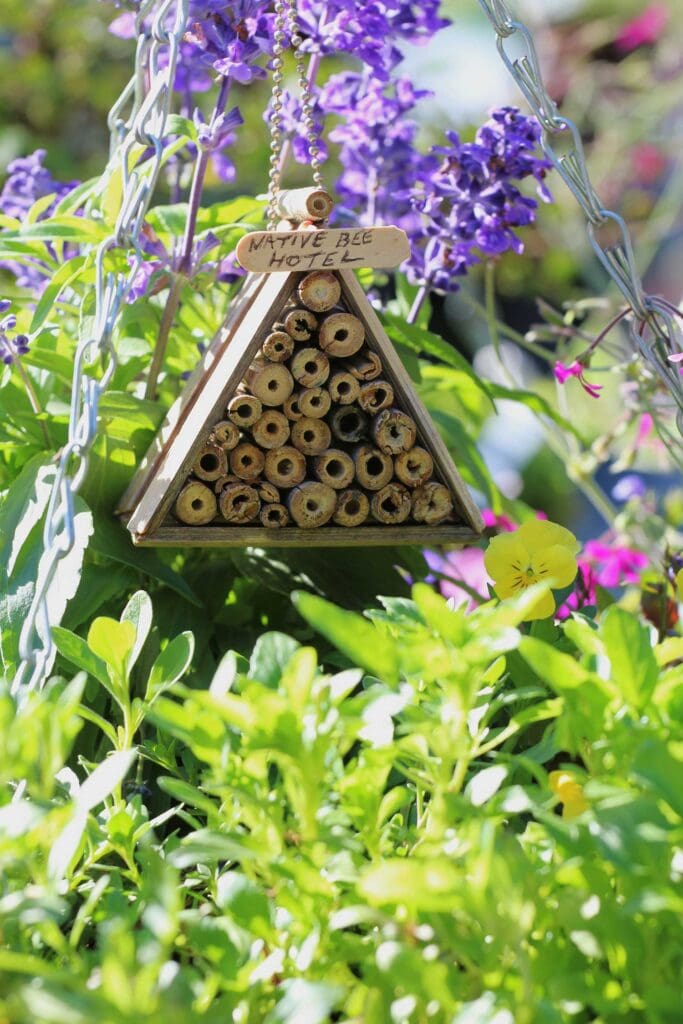
- Provide habitats for bees (beehives), bugs (bug hotels), birds (boxes and bird feeders), and wildlife (logs and leaf mould).
- Include in your planning organisms we can’t always see, like fungi and bacteria – the good types you want to keep and increase to push out the bad ones.
Planting
There are some really important things to note before the spade digs into the soil:
- The simpler the plant palette, the calmer the environment. A wild colourful garden has lots of energy and vibe – it’s up to you to decide the environment.
- Use perennials and shrubs as the backbone of the garden and annuals to fill in spaces with colour and vibrancy. Don’t forget to fill containers.
- Plant taller plants at the back of garden beds, mid-height plants in the middle and low-growing groundcovers and annuals in the front.
- Add companion plants as you go. This is particularly important in dedicated vegetable-growing areas. Companions improve the quality of vegetables, help repel and trap pests and diseases, and increase plant yields.
- Seedlings are really convenient, but also consider sowing seeds yourself to cover larger areas, succession sow vegetables or get the variety you want that is not available as a seedling.
- Choose plants that will grow in your area. As much as you wish you could grow a plant, it will probably not survive if the climate is incorrect for its needs.


Practicalities
Once you have a basic plan, you can implement your ideas. Here are some tips to keep in mind.
- Make a budget and stick to it. There are many ways to save money, including sowing your own seed, using cuttings and propagating plants, harvesting rainwater, and making your own compost.
- Break it into small chunks. You may need to do a lot of earthmoving, so start there and gradually build up one area at a time.
- Make sure you have water close to where it is needed for the plants and pathways to get to the areas that require maintenance.
- Invest in good tools that help save time and money in the long run.