As the jacarandas fade and the summer heat settles in, there’s no better time to slow down and reconnect with your garden.
Forget the frantic weeding sessions and regimented planting schedules.
This season, it’s all about slow gardening – a mindful gardening approach that transforms your outdoor space into a sanctuary for rest, reflection and genuine connection with nature.
What is slow gardening, anyway?
Think of slow gardening as the antidote to our always-on culture.
It’s about savouring the process rather than obsessing over the end result. Instead of ticking off tasks on a garden to-do list, you’re invited to truly observe a ladybird making its way across a leaf, feel the texture of soil between your fingers, or simply sit beneath a tree and listen to the hum of the garden’s summer symphony.
This approach encourages you to work with nature’s rhythms rather than against them, choosing plants suited to our summer conditions and letting your garden guide you rather than the other way around.
Create your summer sanctuary space
Start by designating a quiet corner of your garden as your slow gardening retreat.
It doesn’t need to be elaborate – a weathered bench beneath a tree, a collection of comfy cushions on your patio, or even a simple stool tucked between the herb beds will do perfectly.
Surround this space with sensory plants that engage all your senses. Indigenous grasses like Aristida junciformis rustle soothingly in the breeze, while fragrant plants such as wild garlic (Tulbaghia violacea) or white num num (Carissa macrocarpa) release their scent as you brush past.
Add texture with lamb’s ear or woolly cephalophyllum, and watch butterflies dance around your summer blooms.
Tend to tasks that soothe the soul
The beauty of slow gardening lies in choosing activities that feel restorative rather than exhausting.
Early morning or late afternoon watering becomes a meditation as you observe each plant’s unique response to moisture. Hand-weeding, when done without urgency, transforms into a gentle, grounding practice that literally keeps you connected to the earth.
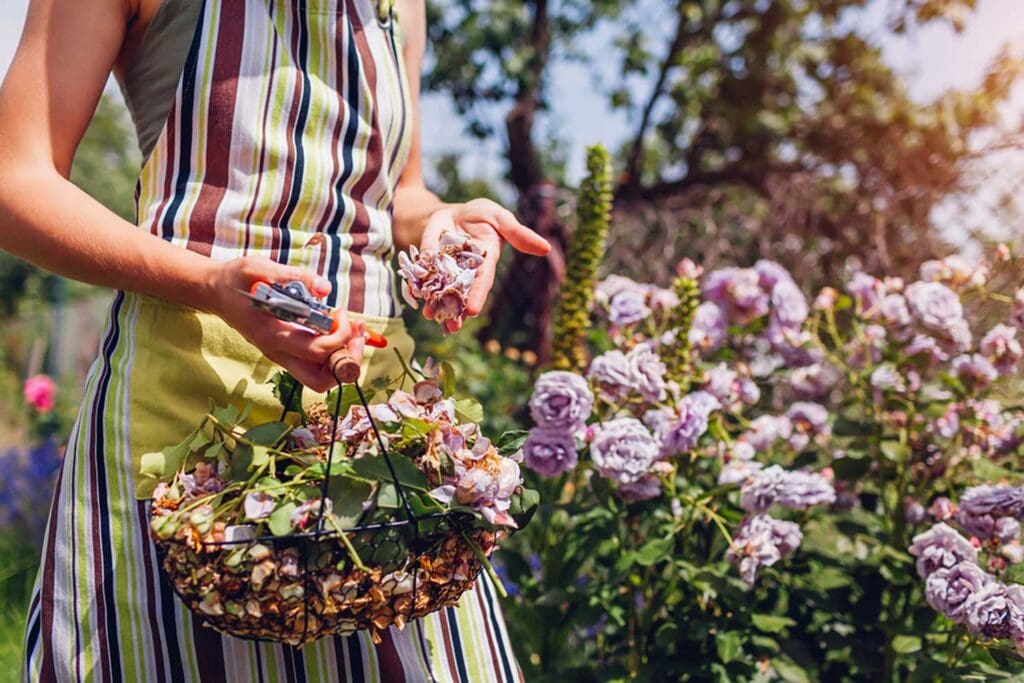
Deadheading spent flowers is another wonderfully mindful gardening task – there’s something deeply satisfying about the rhythmic snip of secateurs and the immediate gratification of tidier plants.
These are jobs you can do without pressure, abandoning them mid-task if a bird catches your attention or if you simply feel like sitting down with a refreshing drink.
Plant for contemplation, not just cultivation
Choose plants that reward slow observation.
Indigenous succulents like aloes or Crassula ovata change subtly throughout the day as light shifts across their leaves.
Install a shallow bird bath or other additions to attract birds to your garden and watch the avian theatre unfold – weavers splashing energetically, doves sipping delicately.
Consider growing edibles that encourage you to visit daily: cherry tomatoes that need gentle harvesting, fresh basil for your evening salad, or crisp lettuce varieties.
These plants create purposeful pauses in your day, inviting you outside to gather and graze.
Let go of perfection
Perhaps the most liberating part of slow gardening is releasing the fantasy of the ‘perfect’ garden.
Dead leaves? They’re mulch in waiting. That sprawling indigenous groundcover taking over? It’s doing exactly what nature intended. When you stop fighting for control, you create space for genuine discovery and appreciation.
This summer, resist the urge to compare your garden to the manicured spreads in magazines. Instead, celebrate your garden’s unique character, its wild edges, and yes, even its flaws.
Embrace the summer slowdown
The beauty of embracing slow gardening during South Africa’s summer holidays is that you’re already in rest mode.
Your garden becomes an extension of this slower pace – a place where time stretches, stress dissolves, and the simple act of being present becomes its own reward.
So this season, trade productivity for presence, perfection for peace, and purpose for play. Your garden – and your wellbeing – will flourish in response.