What to plant this summer to attract pollinators and birds
As the South African summer settles in, our gardens burst into life with colour and is humming with activity. It’s the perfect time to plant for pollinators and birds, giving nature a helping hand while turning your garden into a living ecosystem. By choosing nectar-rich flowers, bright colours, and indigenous species, you’ll attract butterflies, bees, and birds, supporting biodiversity right at home.
Planting for purpose
When gardeners plant with birds and pollinators in mind, they create a garden that’s both beautiful and functional. Flowers that produce nectar and pollen are magnets for butterflies, bees, and other beneficial insects, which in turn attract insect-feeding birds.
This season, focus on sunny beds filled with vibrant colour –reds, purples, pinks, and blues – as these hues are known to attract pollinators. Group plants of the same type together for a stronger visual and scent signal; butterflies and bees prefer mass plantings.
Zinnia elegans – colour and continuous nectar
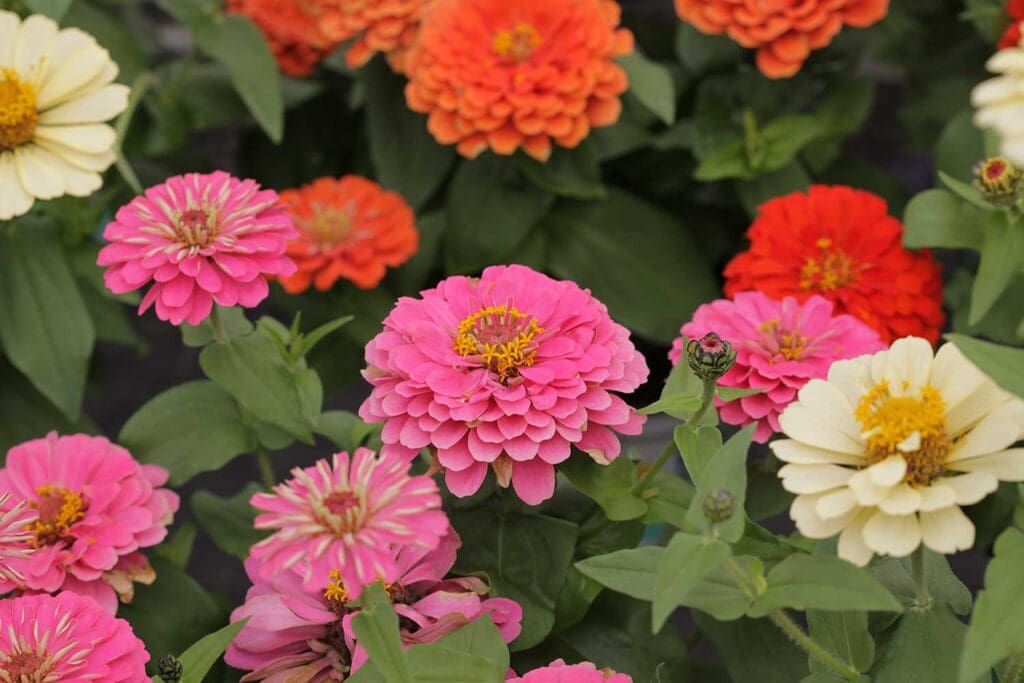
Few flowers shout ‘summer’ quite like Zinnias. With their bold, daisy-like blooms in shades of red, pink, orange, and yellow, Zinnia elegans is a pollinator magnet. Bees adore the open flowers, and butterflies flock to them for nectar. Zinnias thrive in full sun and well-drained soil, flowering from early summer right through to autumn.
Deadhead spent blooms regularly to encourage repeat flowering, and interplant them with other nectar-rich annuals for continuous colour. They also make excellent cut flowers, so you can enjoy their cheer indoors, too.
Anisodontea elegans – the graceful pink mallow

This indigenous shrub, commonly called the elegant pink mallow, combines grace and purpose. It’s a semi-hardy, medium-sized perennial with masses of pink flowers that appear from spring into late summer. Anisodontea elegans thrives in sunny, well-drained beds and copes beautifully with wind and coastal conditions.
The abundant blooms are irresistible to butterflies and bees, while the shrub’s structure provides small birds with perching and nesting shelter. Trim it lightly after flowering to keep it neat and encourage new growth.
Strelitzia reginae – The iconic bird of paradise
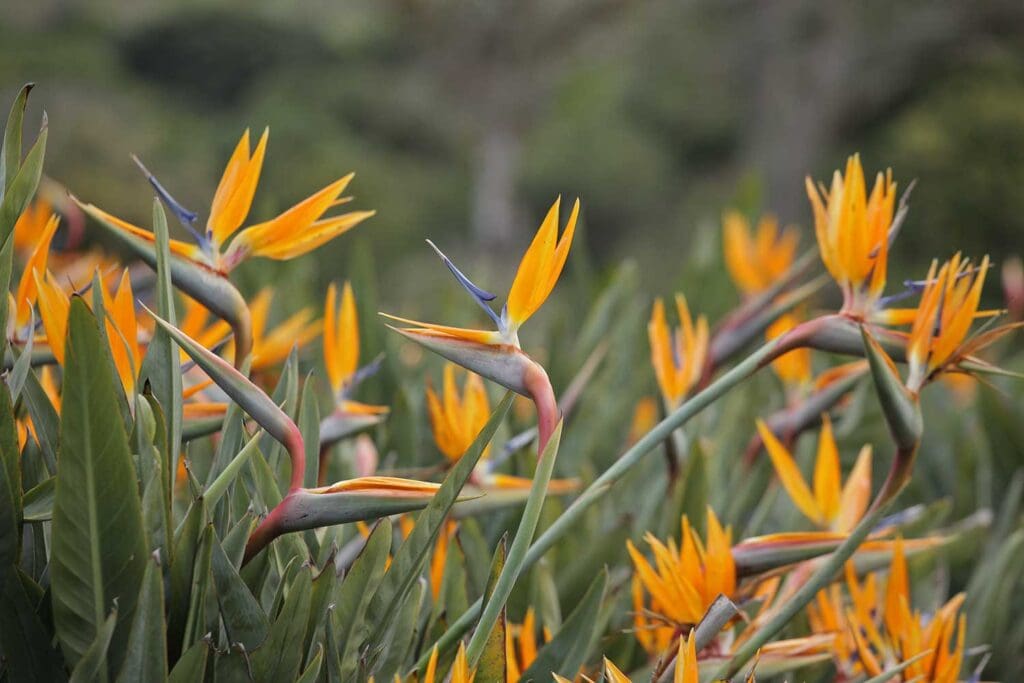
A true South African icon, the bird of paradise needs no introduction. Its striking orange and blue flowers resemble the head of a tropical bird, and they function just like one, too. The blooms are pollinated by nectar-loving birds, which perch on the flower’s beak-like spathe and trigger the release of pollen.
Plant Strelitzia reginae in full sun for the best flowering display, and pair it with softer perennials for contrast. It’s water-wise once established and adds strong architectural form to any garden.
Salvia guaranitica – The hummingbird’s twin
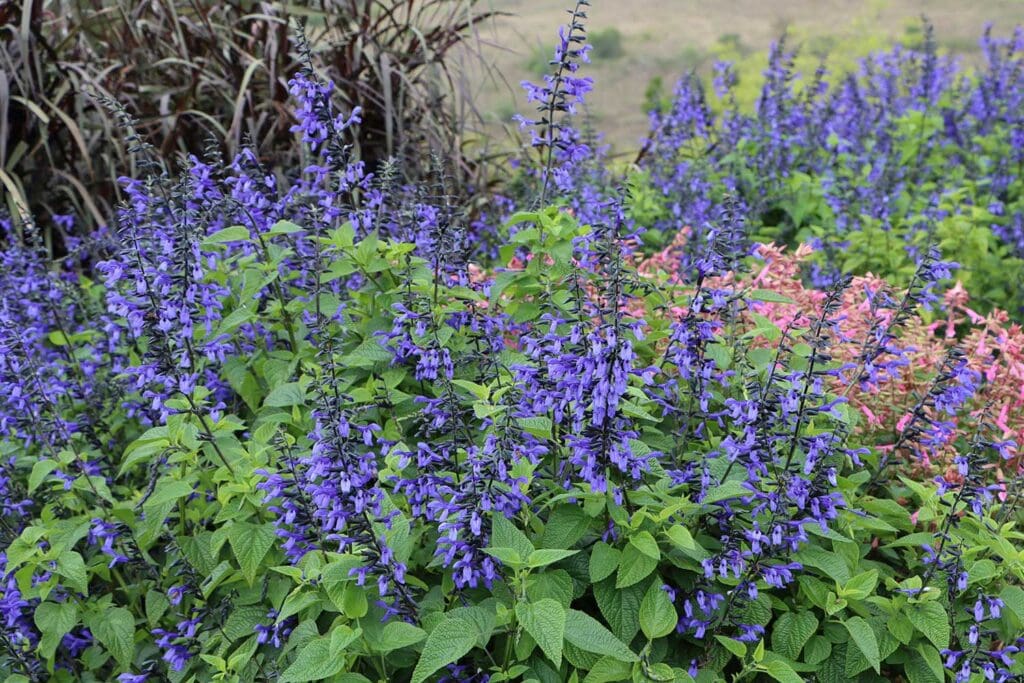
Known locally as anise-scented sage or black-and-blue salvia, Salvia guaranitica produces tall spikes of rich blue flowers that bloom throughout summer. These nectar-filled blooms are a magnet for bees, butterflies, and birds.
It grows best in full sun or light shade and requires moderate water. Regular deadheading keeps it in flower for months. For maximum impact, plant it in generous drifts alongside pentas or pink mallows.
Pentas lanceolata – the butterfly buffet
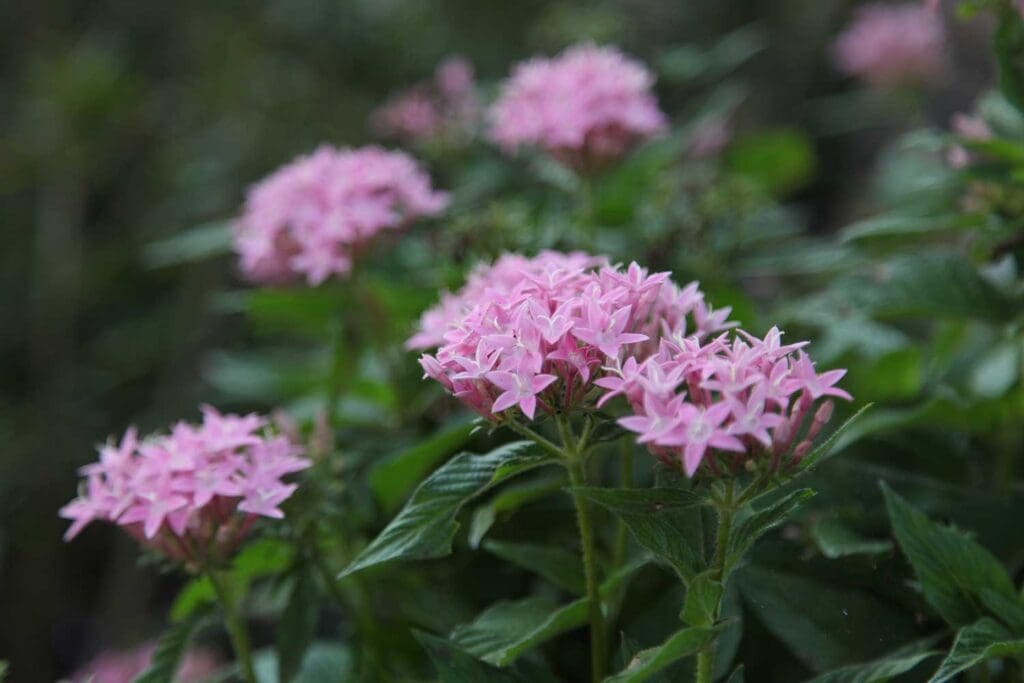
If butterflies had a favourite flower, Pentas would be it. The dense clusters of star-shaped blooms provide easy landing pads and constant nectar. Pentas lanceolata comes in shades of red, pink, white, and lilac, with red varieties particularly loved by birds and butterflies.
Grow pentas in warm, sunny beds with good air circulation, and feed lightly to keep them blooming. Combine them with Felecia (blue daisy), Scabiosa (dwarf pin cushion) or Euryops (golden shrub daisy) for a pollinator paradise that spans the entire season.
Creating the perfect habitat
A pollinator garden isn’t just about flowers; it’s about habitat. Add shallow water dishes with pebbles for bees to land on, or small birdbaths shaded by foliage. Avoid chemical pesticides, which harm beneficial insects. Instead, encourage natural pest control through balance. The more biodiversity, the fewer problems you’ll have.
Layer your planting: tall Strelitzia and Anisodontea at the back, medium Salvia and Pentas in the middle, and Zinnias filling sunny edges. This mix provides food, shade, and shelter across multiple levels, mimicking nature’s structure.
The Reward
Within weeks, you’ll notice life returning: bees hovering over zinnias, butterflies resting on pentas, and sunbirds darting among strelitzia blooms. Each plant contributes in its own way, and together they create a sustainable, living ecosystem.
Planting now means you’ll enjoy colour and movement all through summer and beyond. With a few smart choices, your garden can become a haven not just for you but also for South Africa’s precious pollinators and birds.
To bring this pollinator paradise to life, you can find all of these plants along with a wide range of indigenous, bird- and bee-friendly flowers and shrubs at your nearest GCA-affiliated garden centre. Visit: https://www.lifeisagarden.co.za/category/garden-home-centres/ to locate your local store and start planting for a thriving, wildlife-filled garden.