Whether you’re new to foodscaping or seeking inspiration for what to add next to your garden that brings equal parts flavour and visual appeal, keep reading.
Here are 5 plants and trees to inspire you to grow a garden that delivers on form and function.
1. Marigolds
These sunny beauties are great companion plants for your kitchen garden, as they are famous for their insect-repelling powers.
But did you know that some varieties, like pot, French and African marigolds have edible petals, too?
In fact, some creative home cooks use the dried petals of marigolds as an affordable alternative to saffron in dishes, to give rice a golden yellow hue and aroma.
How to use marigolds in your edible landscaping
Grow as an edging plant alongside vegetables in your vegetable garden, or place throughout your garden to deter nematodes and other pests.
2. Granadillas
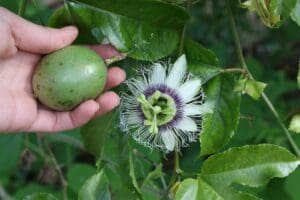
Nothing quite says ‘spring’ (or summer!) like the sight of granadilla fruits ripening on a creeper vine along your garden pergola or trellis.
Also known as ‘passion fruit’, this vertical climbing edible plant is a fast-growing vine with lush foliage and striking, complex flowers, adding visual appeal to just about any foodscape.
Cut open, these fruits add a refreshingly sweet tang to your morning bowl of yoghurt and muesli, or drizzled over a berry medley pavlova for a post-lunch treat. Salivating yet? We know we are!
How to use granadillas in your edible landscaping
Plant your granadilla plant in a sheltered, sunny spot with a sturdy trellis or support.
3. Nasturtiums
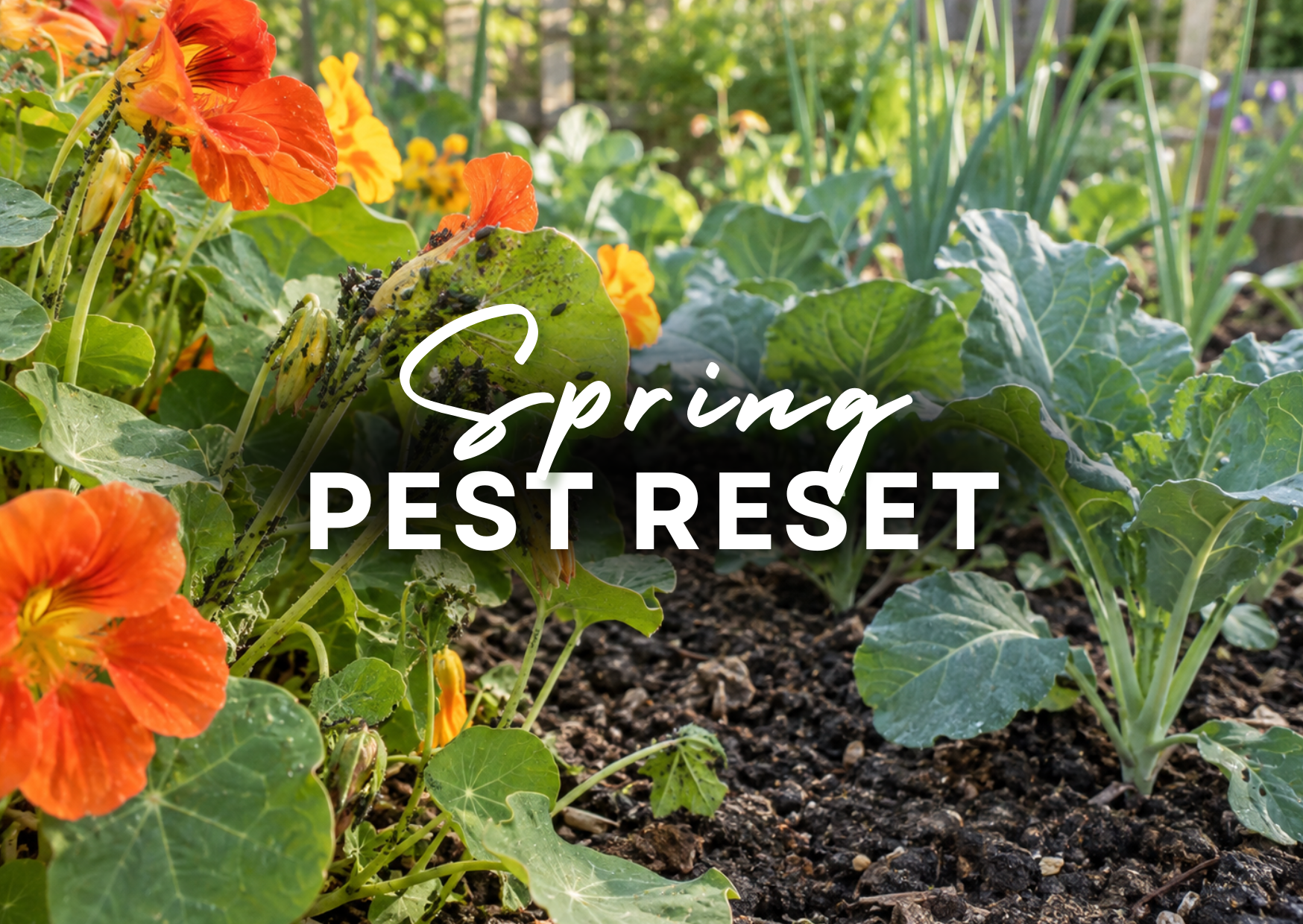
One of the easiest ways to jazz up a spring or summer salad dish (or any party platter, really), is with a few nasturtiums plucked from your home-grown plant. Think vibrant, round leaves, and bold flowers in yellow, orange and red.
A very practical plant, they’re known as a fast-growing groundcover, but can also serve as a ‘trap crop’ for pests like aphids and whiteflies.
The flowers and leaves of the nasturtium plant are edible and can be used in salads, as garnishes, or as a peppery addition to sandwiches.
How to use nasturtiums in your edible landscaping
These versatile plants grow best in well-drained soil and full sun to partial shade, and are perfect for edging garden beds, filling gaps and adding texture.
4. Peppers
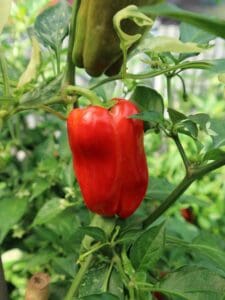
A popular choice for container gardening are these versatile veggies that pack a punch in salads and sauces. They produce small, brightly colored fruits in a range of shapes, often starting green and maturing to red, yellow, orange or purple.
Besides adding a gorgeous, bold pop of colour to your edible landscape, peppers have a range of health benefits, so it’s no wonder they’re a staple in diets.
Rich in vitamin C and carotenoids, bell peppers contribute to a lower risk for conditions like heart disease and cancer as part of your five-a-day.
How to use peppers in your edible landscaping
Peppers grow well both directly in your backyard vegetable patch or in a large enough container, making them a versatile choice for homes with gardens or apartments with balconies.
Grow alongside other sunny season favourites like sunflowers, calendula or zinnias for a colourful display that packs a punch.
5. Citrus trees
Would it be an edible landscaping list without mention of our old favourites, trees in the citrus family?
Besides the bounty of vitamin C-packed fruits this group produces, ideal for brightening up flavours in your spring and summer dishes, lemon and orange trees are also popular for their ornamental look, and of course, the shade they create on those particularly hot days.
How to use citrus trees in your edible landscaping
The classic option is to grow your orange or lemon tree directly in the ground and let it grow into its own form, but if you’re looking to try something different, get creative with espaliering along a wall or fence to hide or screen an area.
These trees also make for a beautiful focal point flanking the entrance to your home, or creative natural ‘doorways’ to section off parts of your garden.