There are many things to celebrate in an autumn garden. The softer, gentler weather is pleasant, with the plants stressing less without the summer heat. You often see a second flush of colour in autumn, especially from plants like roses and salvias, and who doesn’t love the changing foliage in warm shades of golden yellow, amber orange and rich red. It’s time to refresh, rethink, reflect and replant. These practical tips will keep your autumn garden thriving.
Plant a framework
As we garden through the seasons, things change, and what was once a good design becomes blurry around the edges as plants overgrow and some die off. This time of year is perfect for resetting the framework and adding plants that will last season after season. These include trees, shrubs and perennials.
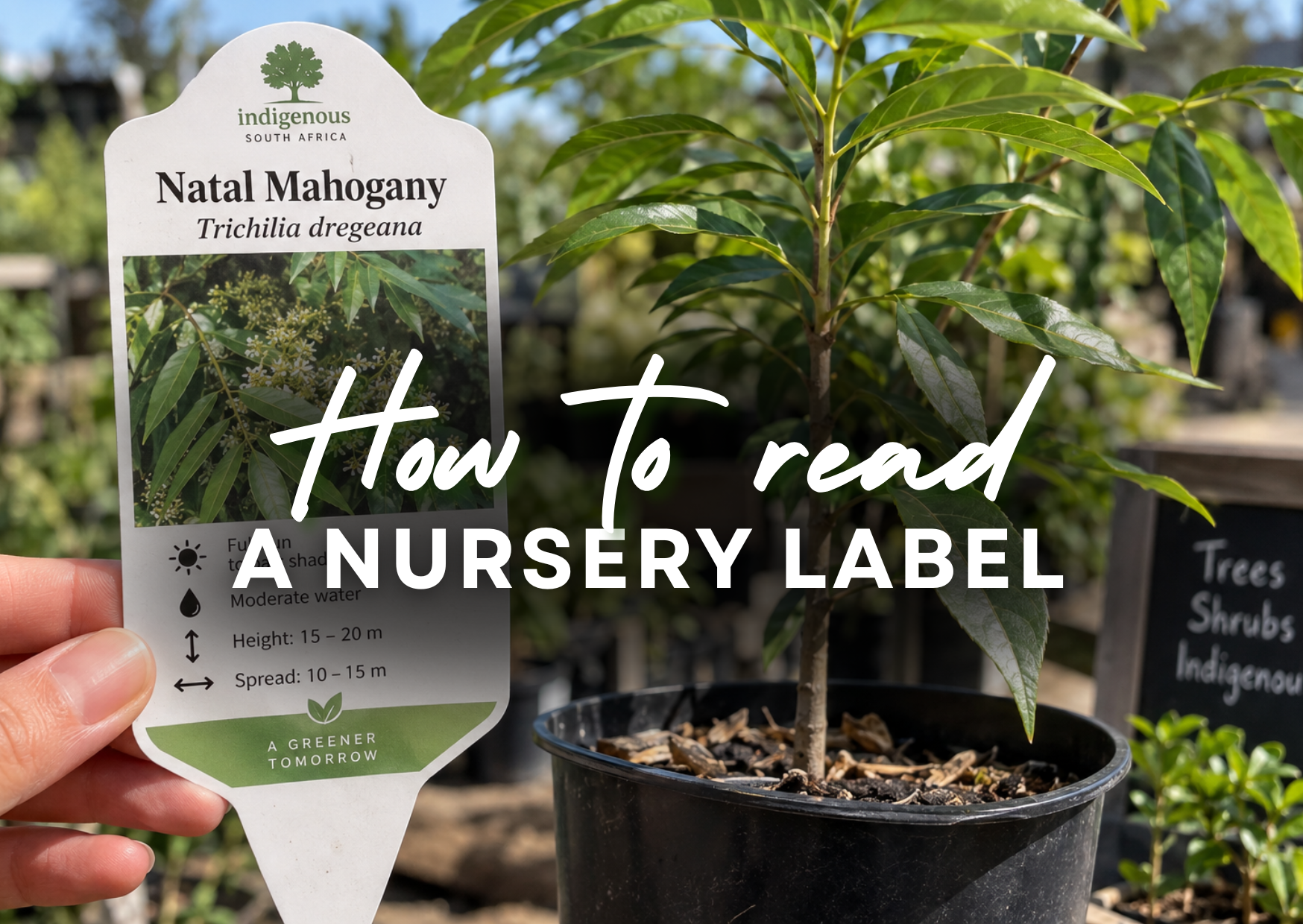
For trees, we always recommend going for something indigenous. They are hardier than exotics and will be in a host of wild and insect life in a garden. They still need to be looked after, though. Indigenous or even endemic to your area does not always mean no water or food.
There are so many indigenous shrubs, many of them with beautiful flowers, that we are sure there is a shrub for every purpose. This also includes many stunning climbers.
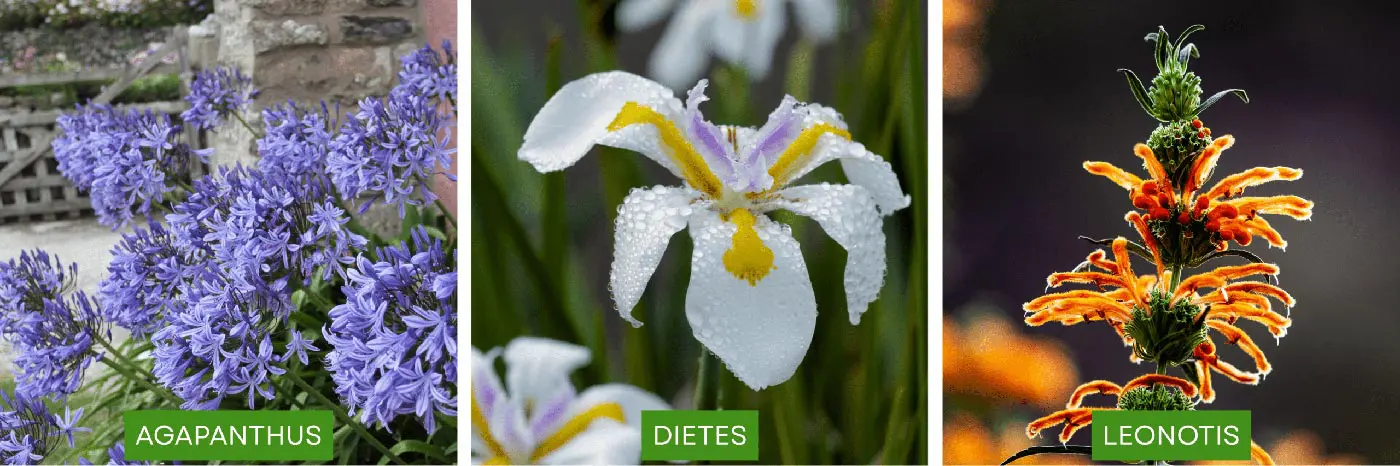
In the world of perennials, there is colour and more colour. Invest in plants like agapanthus and dietes that can be lifted and divided the next year to give you more plants. The same goes for ornamental grasses that add movement and colour to a space.
Feed the soil
One of the tasks that needs to be done all year is to feed the soil. A healthy soil biome is the cornerstone of any good garden. When planting anything, always add loads of compost. Then, for most plants, add superphosphate or bonemeal as a nutrient boost to help the plants settle in and grow healthy roots, and a slow-release general-purpose fertiliser to keep it going and lush.
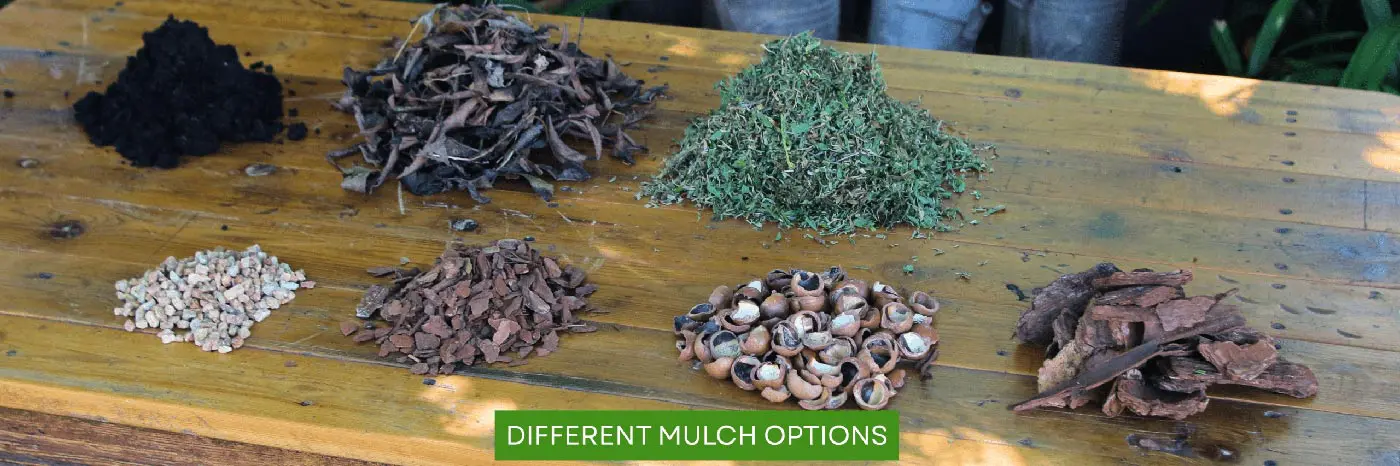
Feeding the soil also requires keeping it cool in summer and warm in winter, and this means mulch. Organic mulches like leaves, grass clippings, compost, bark chips, etc, all add to the health of the soil as they break down.
One of the biggest problems gardeners face is drainage. Insufficient drainage can suffocate and drown plants. Adding organic matter, such as compost and leaf mould, to soil that is both clay and sandy will improve drainage and aeration, and improve the condition of the soil.
Monitor pests and diseases
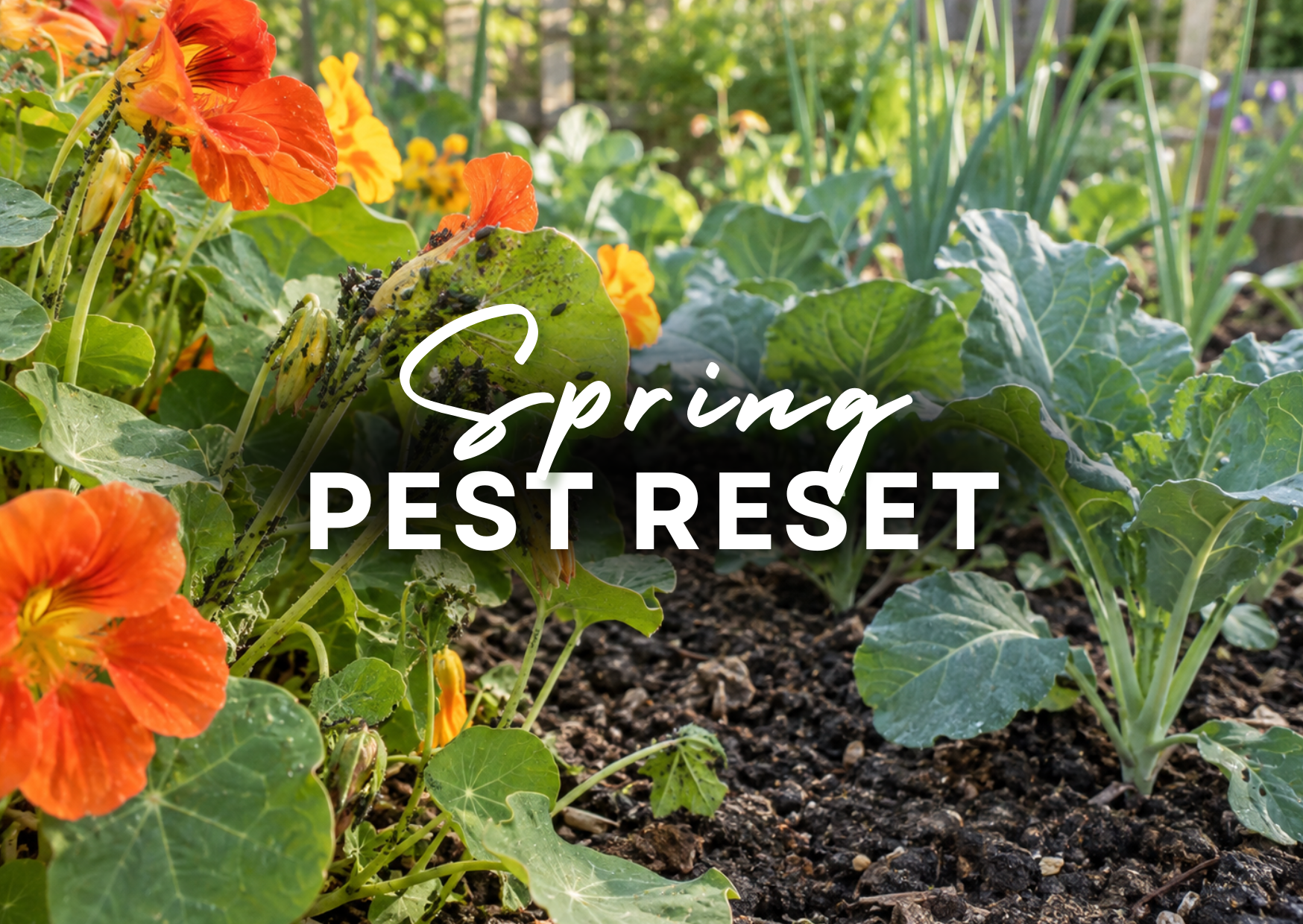
In the cooler weather, you may see a decrease in pests and diseases, but also beware that some may overwinter in plant debris only to rise again in the spring. It’s time to clean up and get rid of those pesky aphids, whiteflies and caterpillars before they lay eggs. Use appropriate insecticides (organic ones are also available) and don’t forget fungicides for powdery and downy mildews.
Clear away any debris that may become a breeding ground.

Find colour for indoors
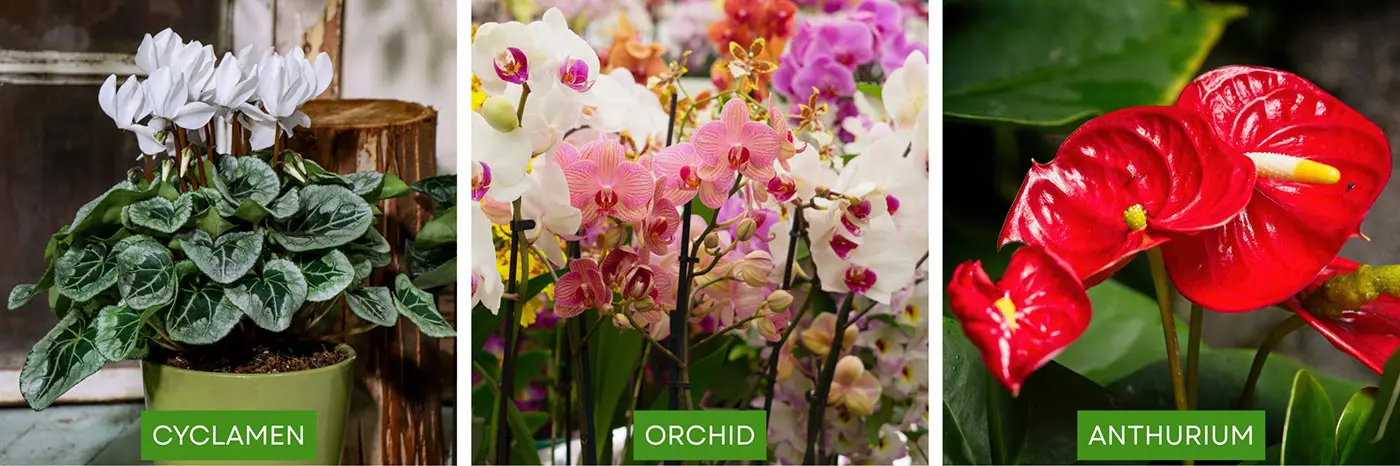
Gardening indoors through the winter can be very rewarding, as you will find plenty of colour that can brighten up a home. Flowering pot plants like cyclamens, African violets, begonias, orchids, kalanchoe and anthuriums all provide decent colour to lift our moods in winter.
This is also a great time to take stock of your houseplants and give them a good clean, dust, feeding, pruning and repotting should they need it. In other words, give them a spa treatment.
Place all the plants in a bath or shower and hose them off. Use a soft cloth to remove any stubborn dirt and then give them a dose of liquid plant food. Inspect the leaves for any pests and diseases, and remove dead parts with a clean, sharp pair of pruners. Some pot plants may need more soil to fill them up or a new layer of mulch, and if the roots are trying to escape through the drainage holes in the base of the pot, it’s time to repot into a bigger pot. Give pot covers a good clean before adding the drained-off plants back into them.
Get ready for winter
In colder regions, there is a process that needs to be done in order to keep your plants alive. Get fleece ready for tender plants. Move containers with delicate plants into greenhouses or indoors. Grouping containers together will also help with the cold, as will covering them in bubble wrap.
Add a fresh layer of mulch in garden beds to keep the soil warm and the roots protected. Watering can be reduced, but still remember to water. Cold can also mean dry.
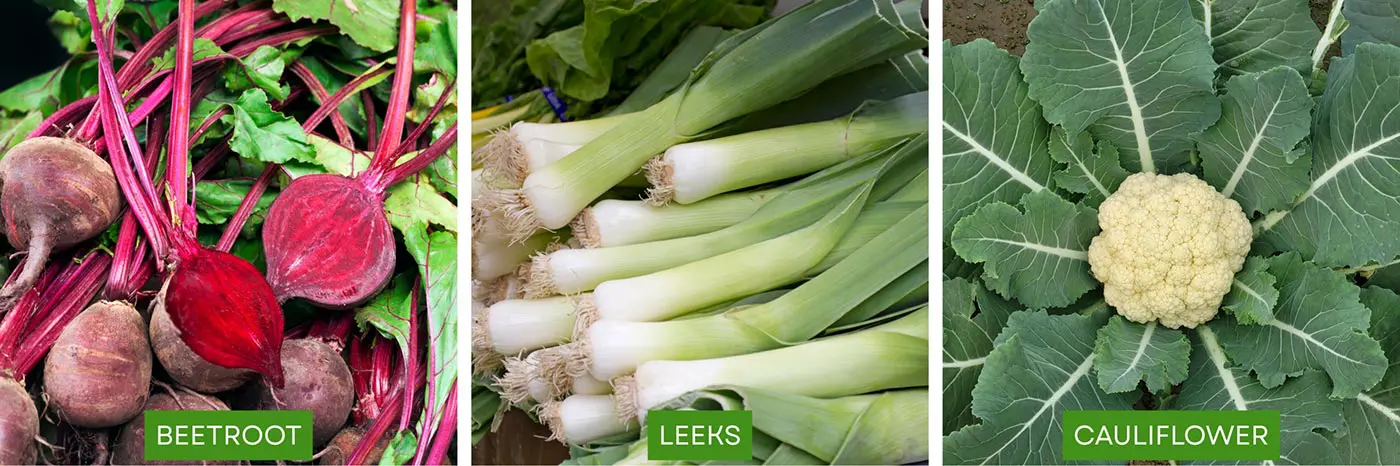
If you have space in the vegetable garden, sow some more winter veggies, such as spinach, lettuce, kale, beetroot, carrots, peas, broad beans, onions, garlic, leeks, broccoli, cabbage, and cauliflower.
This is a great time of the year to be in the garden, but don’t forget to stop and admire what you have achieved and feel the joy in a new flower or a ripening fruit.