How to keep a compost heap working through winter
While the weather is cooler and plants are taking a break, there is a bit more time to focus on other parts of gardening, like maintenance and composting.
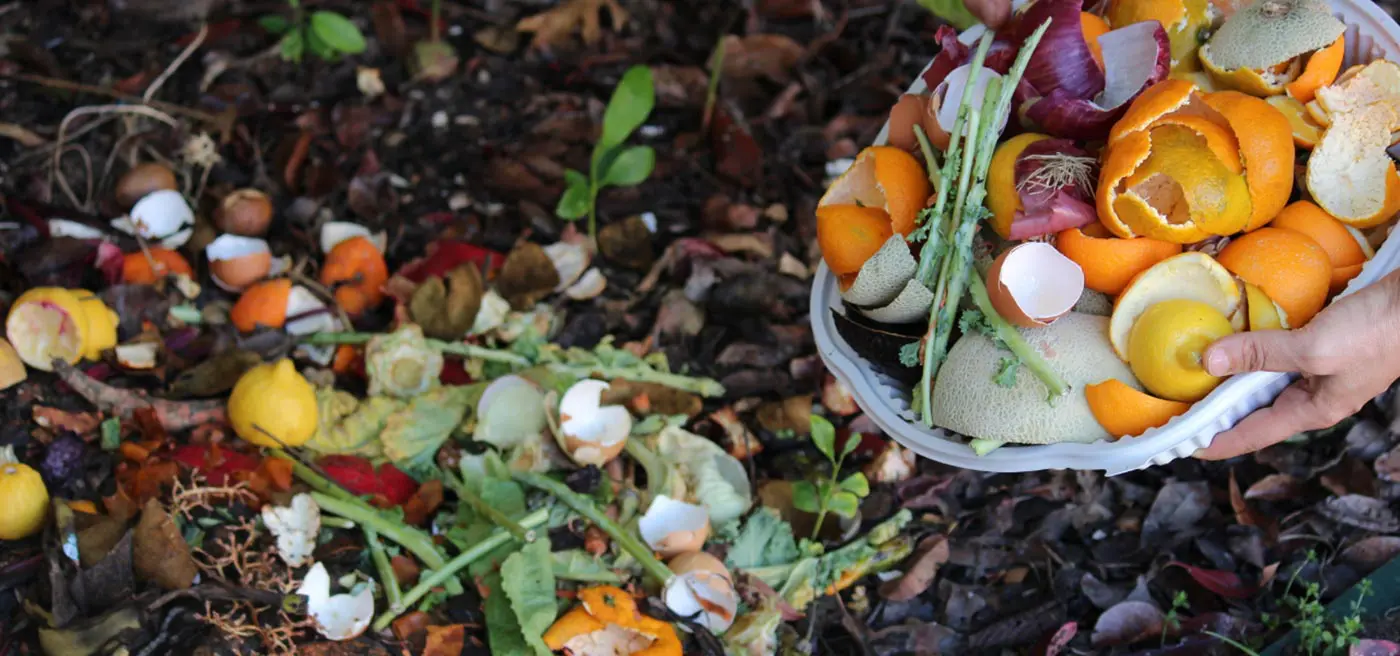
Compost is one of the easiest things to make. It uses all the prunings and clippings we continuously produce in the garden, recycles vegetable peelings, coffee grounds, tea and eggshells, and then returns nutrients to the garden as we use it. It can be contained in a premade or built structure, or just be a pile on the ground. You don’t need any special tools, just a bit of care and attention, and you can have decent, homemade compost in six weeks.
There are a few secrets to making great compost in winter when everything else in the garden is slowing down, so that it’s ready for the spring burst of activity. Here are some ideas to speed up composting in winter.
Heat it up
In winter, the microbes in the compost heap are still doing their jobs, but the falling temperatures mean they are working a little slower. A layering approach to compost making becomes essential. Add kitchen scraps, leaves and garden material in layers and avoid turning the compost, which just exposes the microbes and makes it much harder to warm up again.
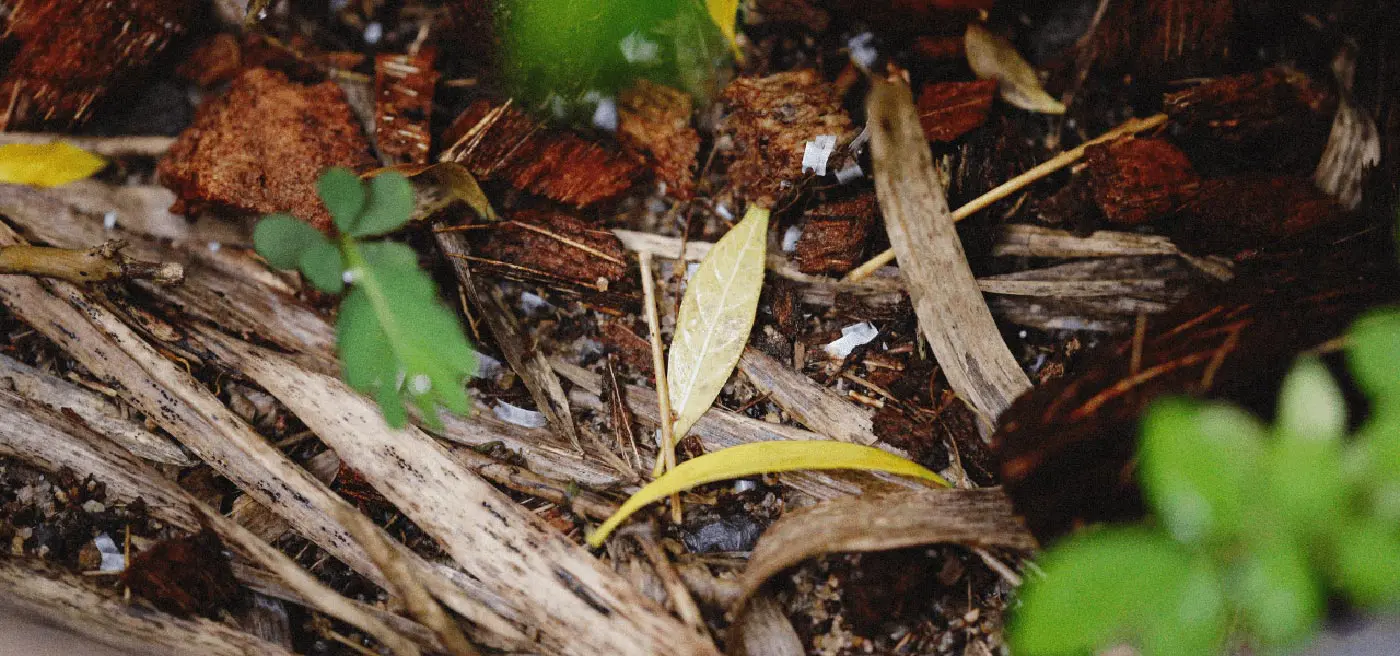
Like we need to put on a jersey to keep warm, your compost heap needs insulation. One of the best materials for this is cardboard. Remove any tape and labels from the boxes, then flatten them to place on top of your compost. Over time, the cardboard will get wet and start to break down. Tear it into smaller pieces and add to the pile to break down with everything else.
If you have an open heap, add bags of leaves to the sides or box it in with hay or straw bales.
Damp but not dripping
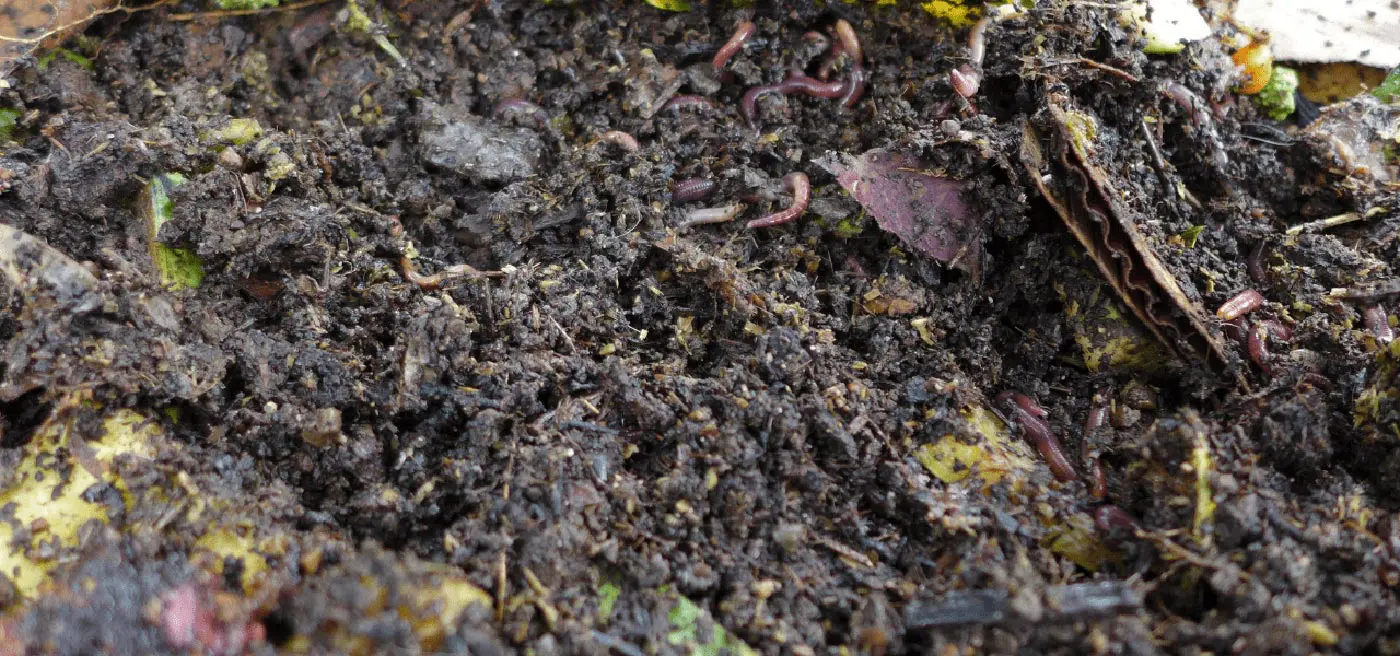
Compost heaps need moisture, but they also cannot be too wet, as that can reduce aeration and make them a soggy mess. Good microbes need oxygen to survive, whereas bad microbes can do without, which is why compost heaps can smell.
Covering your compost with a tarp or wooden cover will help keep rain off the compost, but it will also help retain warmth, which is what we need for it to be active.
Keep it balanced
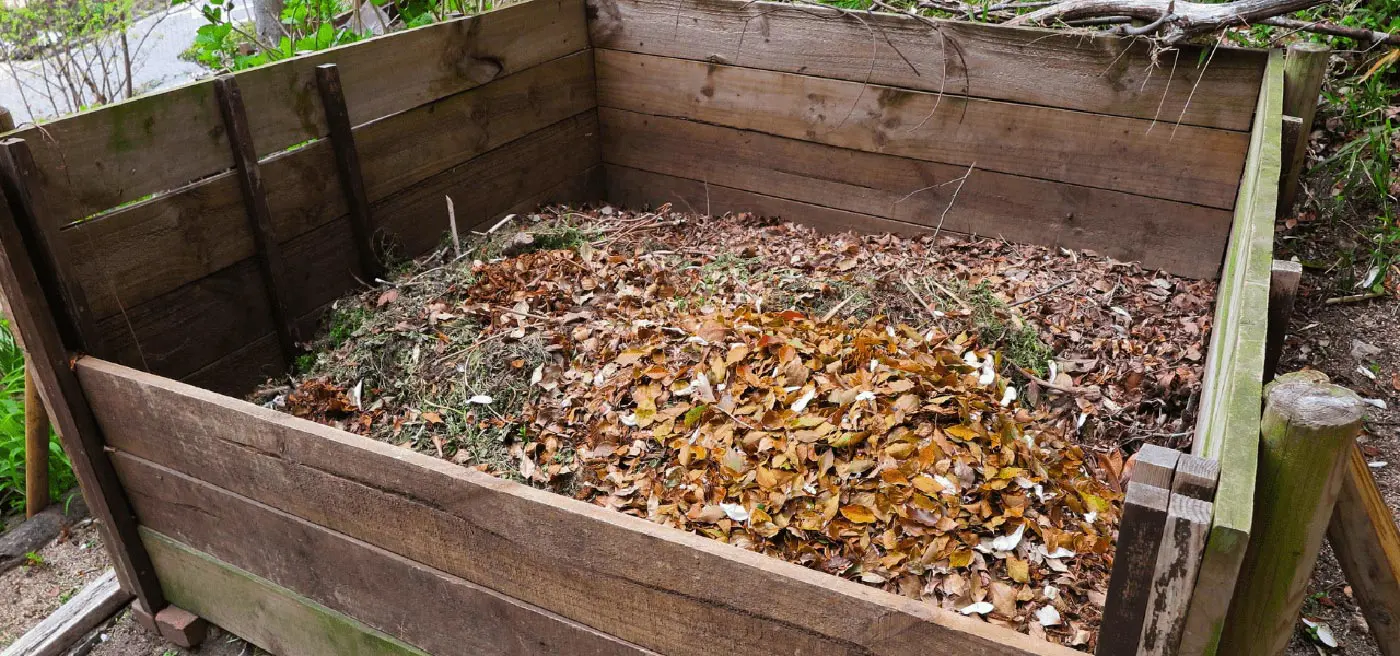
Deciduous trees provide us with compost material in winter, but we don’t want to use all those brown leaves at once in a compost heap, as that can make it unbalanced and anaerobic. We do, however, want to keep all that good plant material, so the solution is to either use it to make leaf mould or to store the leaves in black plastic bags.
To keep a compost heap balanced, you need an equal amount of nitrogen and carbon. To make this simple, the green plant material has the nitrogen and the brown leaves and twigs contain the carbon. Too many ‘browns’ in winter and your compost won’t be balanced.
Make a leaf collection point in your garden by using four sticks and tying a black plastic bag around them to make it easy to fill. You can gather leaves and fill the bags as they are, or you can ride over the leaves with the lawnmower to break them into bits before storing them in the bags. Once a bag is full, tie it up and set it aside until spring or summer, when you will need to balance your compost with more ‘browns’ as the ‘greens’ are in abundance.
What to add
Kitchen waste is ongoing and needs to be included in compost year-round. The more diverse your compost materials, the more types of microbes and the easier it will break down. You will also have a richer, more nutritious compost for the soil in the end.
If you can find it, adding manure from the local farm will also help keep the compost warm and teeming with good microbes.
Woody prunings and clippings need to be reduced to as small as you can get them so that the microbes have a chance to break them down, and you don’t end up with big chunks of wood in the compost in spring. To achieve this, take the time to chop them up, or invest in a chipper that breaks them down in seconds.
What not to add
With temperatures at their lowest, compost heaps will take a bit longer to break down weeds that have seeded, for example. Rather, leave these until summer, when the temperatures are hot enough to break them down.
TIP: Some tea bags contain plastic. Rather, remove the bag before adding the tea leaves or add plastic-free bags or loose tea to compost heaps.
Following these tips, and in no time, you will soon have wonderful, rich compost to use as a mulch or to add to the soil when planting.