
Potting Soil vs Garden Soil vs Compost: What’s the Difference & When to use Which
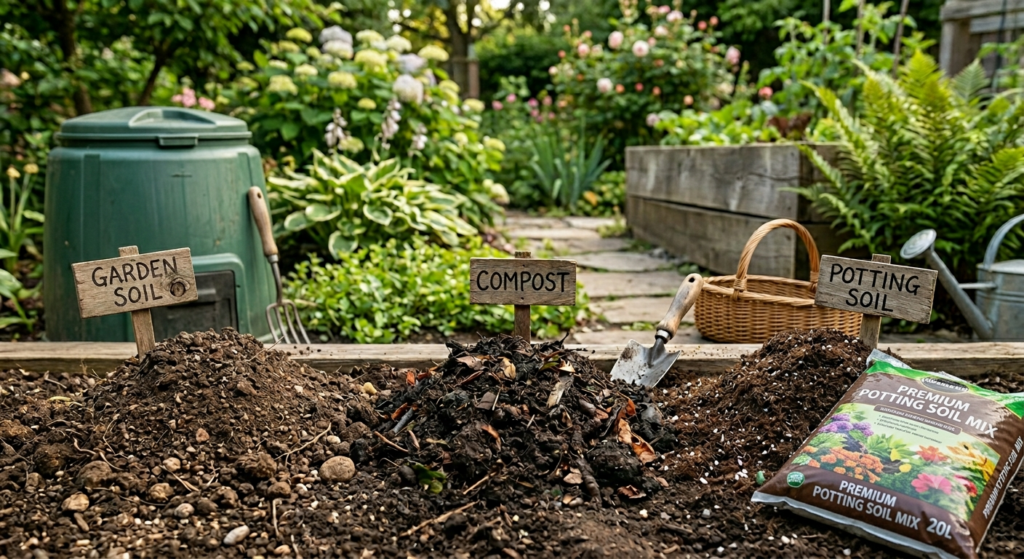
When we first start gardening, it just seems logical that we can dig up some garden soil, put it in a pot with a plant, and it’s all good. Also, compost is surely only for golf courses and parks? As we learn more about gardening, it becomes clear that not all soil is equal. Let’s put them into their boxes and explain just why each is important.
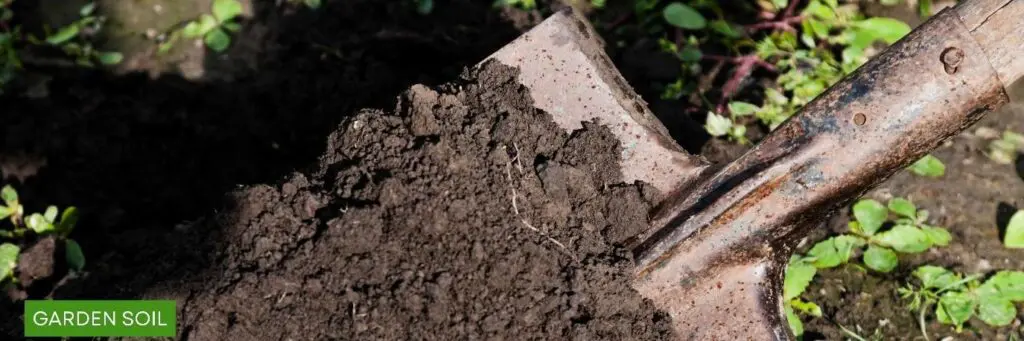
Garden soil
Garden soil is what we start with and then improve as time goes by. The reasons for the improvements are simple: the more microbiome (good bacteria and fungi, among others) you get into your soil, the healthier and more productive a garden can be. It also doesn’t need to be complicated. Certain practices will help you achieve better soil just by keeping them up regularly.
When planting anything, first address the soil. Add plenty of organic material like compost or leaf mould, along with bone meal or superphosphate and a handful of slow-releasing organic fertiliser to the planting hole. This helps plants get established properly before they require feeding.

Make use of organic mulches. Things like leaves, grass, wood chips and compost all protect and feed the soil underneath. As mulches break down, they release nutrients into the soil, which simultaneously prevent moisture loss through evaporation, keep weeds down, and maintain consistent temperatures, preventing plants from becoming stressed. Mulching is one of the easiest things to do in the garden to increase the soil’s biome. Simply lay it on top of the soil, keeping it away from plant trunks or stems, and it will get to work.
Growing more plants to cover any bare soil is also an excellent way to improve the soil. The roots of plants provide the sugars microbes need to survive, so it stands to reason that the more roots in the ground, the better the diversity of microorganisms.
What to Plant in South Africa in Winter for Soups and Stews
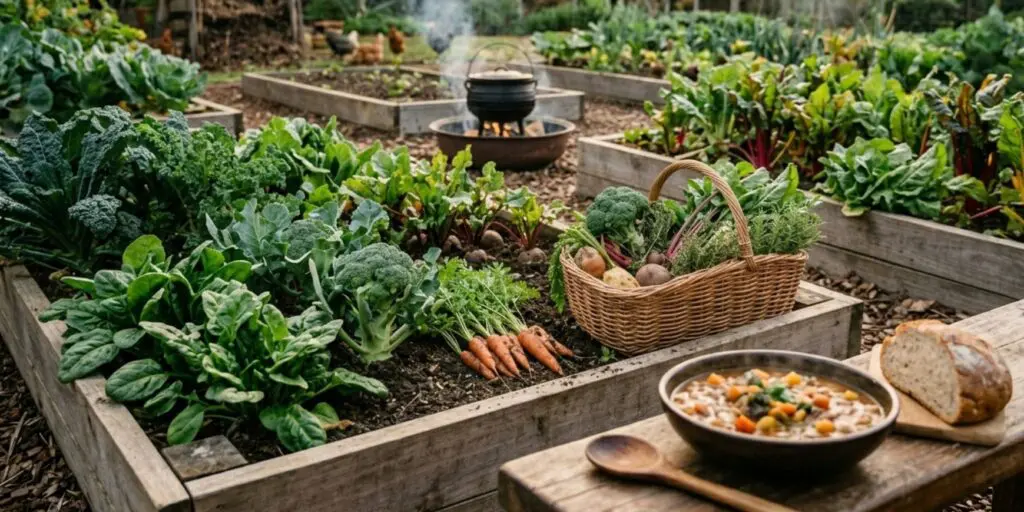
If you start a winter edible garden this autumn in your South African garden, you will be eating tasty, healthy, warming soups and stews all through winter.
Making your own food garden is as rewarding as it gets. An ornamental garden is pretty, but a food garden is pretty and productive. Just the act of gardening will boost your health on the outside, and what you harvest fresh from the garden will boost it on the inside. It’s not only for exercise, fresh air, and calorie burning, but also for mental health. Think of gardening as a wellbeing sport, and it doesn’t have to be perfect; just give it a try.
Top 10 Winter Vegetables to Grow in South Africa
There are great soup and stew vegetables that grow in the cooler months; in fact, they prefer it and are also mostly frost-tolerant when established. This is a list of the top ten plants to plant for cooking this winter:
Asian greens
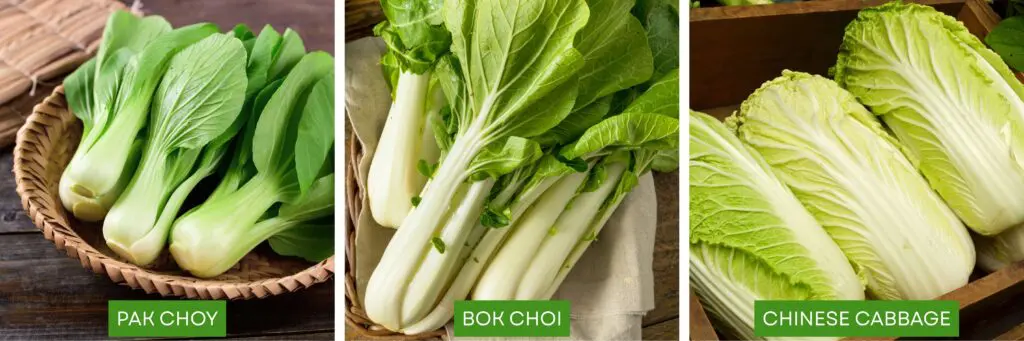
Pak choy, bok choi, tatsoi, mazuna and Chinese cabbage all fall under the Asian greens category. They are excellent for growing in autumn and winter, and can be steamed or stir-fried with Asian flavours like soy, hoisin and oyster sauce for a salty, savoury side, or chopped up and added to soups and stews. Plant in sun or partial shade in rich, well-draining soil.
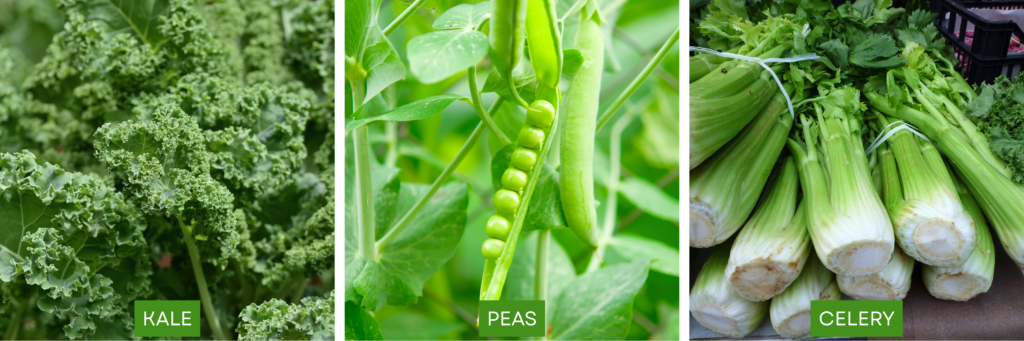
Kale
A healthy vegetable that can be added to soups and stews, or it can be deep fried as a crispy finish to a plate of vegetables to add flavour and crunch. Kale loves the cold. Plant in full sun and give it plenty of space to grow. Harvest the leaves as you need them.
Peas
Peas are a versatile crop and can be harvested as pea shoots, right up to pods.
Autumn Soil Reset: Build Healthier Garden Soil for Spring
Introduction
How South Africans can build healthier soil for future growth.
Good gardening always starts with the soil. Although we can’t see it, underneath the surface lies a multitude of processes that are essential for plants to grow well and, in the case of food crops, provide the best yields.
Why soil health is important
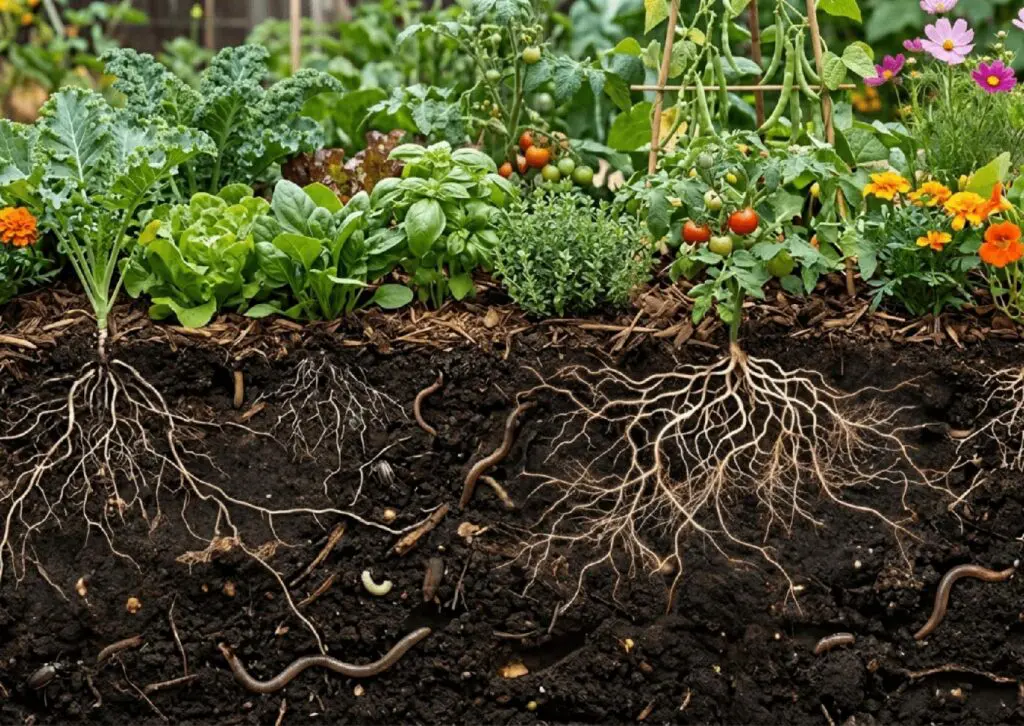
Soil consists of mineral particles, organic matter, water and air, but it’s the microbes, bacteria, invertebrates and fungi that make it alive. These hard-working organisms are responsible for breaking down organic matter and improving soil structure, so that nutrients, together with water, can be absorbed by plant roots and transported through the plant’s stems and leaves to the whole plant.
Ensuring that the microbes in the soil are healthy and increasing in number can significantly improve the health of your soil and your plants. Healthy plants are less stressed, and less stressed plants are mostly pest- and disease-free.

How to increase microbes
Just like humans, all the different microbes and organisms in the soil need food and water to survive and increase in population. The simplest way, then, is to feed them with carbon-enriched materials. This can be in the form of adding organic matter such as compost, leaf mould, and well-rotted manure, either dug into the soil or left on top as mulch to slowly leach into the soil. Kitchen scraps can also be beneficial, either dug straight into the soil or added to a composting process.
How much to add will depend on the initial health of the soil, but as a rule, always mulch, always add plenty of organic material at planting, and have a regular feeding schedule in place to continue feeding the soil.

Simple ways to test soil
Knowing what type of soil you have will go a long way in knowing how to improve it.
Winter composting – Tips and Tricks
How to keep a compost heap working through winter
While the weather is cooler and plants are taking a break, there is a bit more time to focus on other parts of gardening, like maintenance and composting.
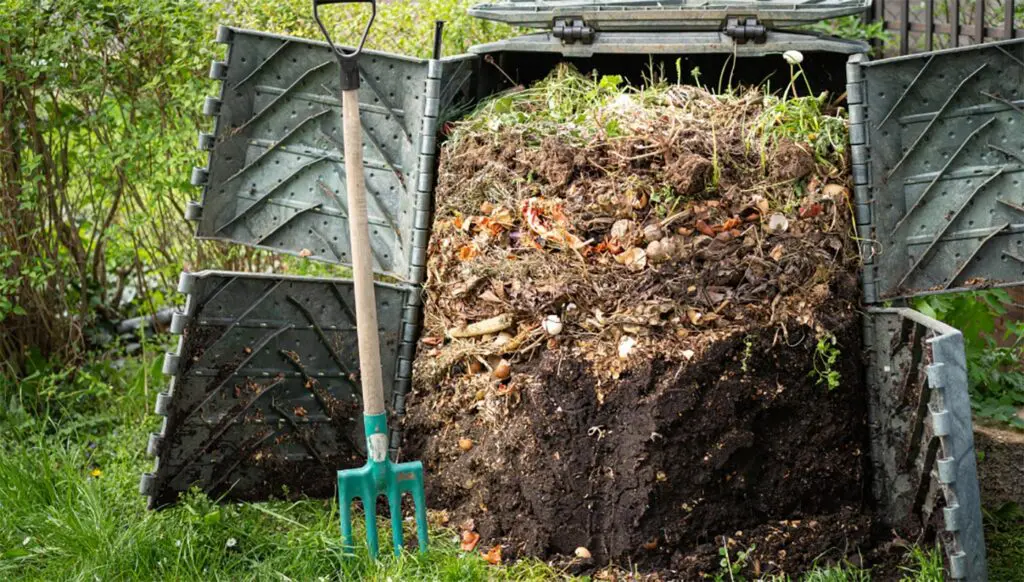
Compost is one of the easiest things to make. It uses all the prunings and clippings we continuously produce in the garden, recycles vegetable peelings, coffee grounds, tea and eggshells, and then returns nutrients to the garden as we use it. It can be contained in a premade or built structure, or just be a pile on the ground. You don’t need any special tools, just a bit of care and attention, and you can have decent, homemade compost in six weeks.
There are a few secrets to making great compost in winter when everything else in the garden is slowing down, so that it’s ready for the spring burst of activity. Here are some ideas to speed up composting in winter.
Heat it up
In winter, the microbes in the compost heap are still doing their jobs, but the falling temperatures mean they are working a little slower. A layering approach to compost making becomes essential. Add kitchen scraps, leaves and garden material in layers and avoid turning the compost, which just exposes the microbes and makes it much harder to warm up again.
Like we need to put on a jersey to keep warm, your compost heap needs insulation. One of the best materials for this is cardboard. Remove any tape and labels from the boxes, then flatten them to place on top of your compost. Over time, the cardboard will get wet and start to break down. Tear it into smaller pieces and add to the pile to break down with everything else.
If you have an open heap, add bags of leaves to the sides or box it in with hay or straw bales.
The cool season: An ode to autumn
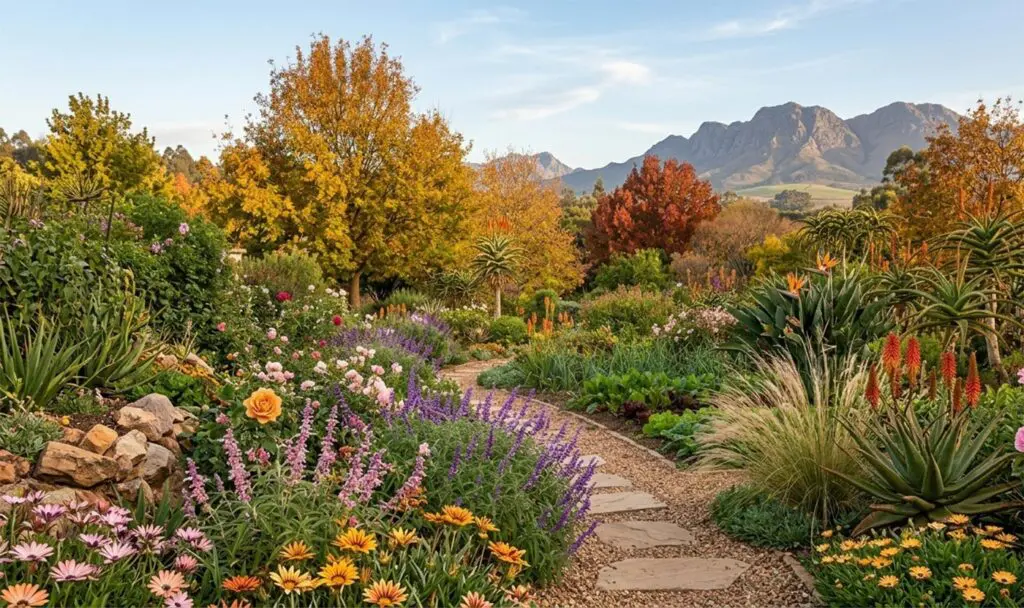
There are many things to celebrate in an autumn garden. The softer, gentler weather is pleasant, with the plants stressing less without the summer heat. You often see a second flush of colour in autumn, especially from plants like roses and salvias, and who doesn’t love the changing foliage in warm shades of golden yellow, amber orange and rich red. It’s time to refresh, rethink, reflect and replant. These practical tips will keep your autumn garden thriving.
Plant a framework
As we garden through the seasons, things change, and what was once a good design becomes blurry around the edges as plants overgrow and some die off. This time of year is perfect for resetting the framework and adding plants that will last season after season. These include trees, shrubs and perennials.
For trees, we always recommend going for something indigenous. They are hardier than exotics and will be in a host of wild and insect life in a garden. They still need to be looked after, though. Indigenous or even endemic to your area does not always mean no water or food.
There are so many indigenous shrubs, many of them with beautiful flowers, that we are sure there is a shrub for every purpose. This also includes many stunning climbers.
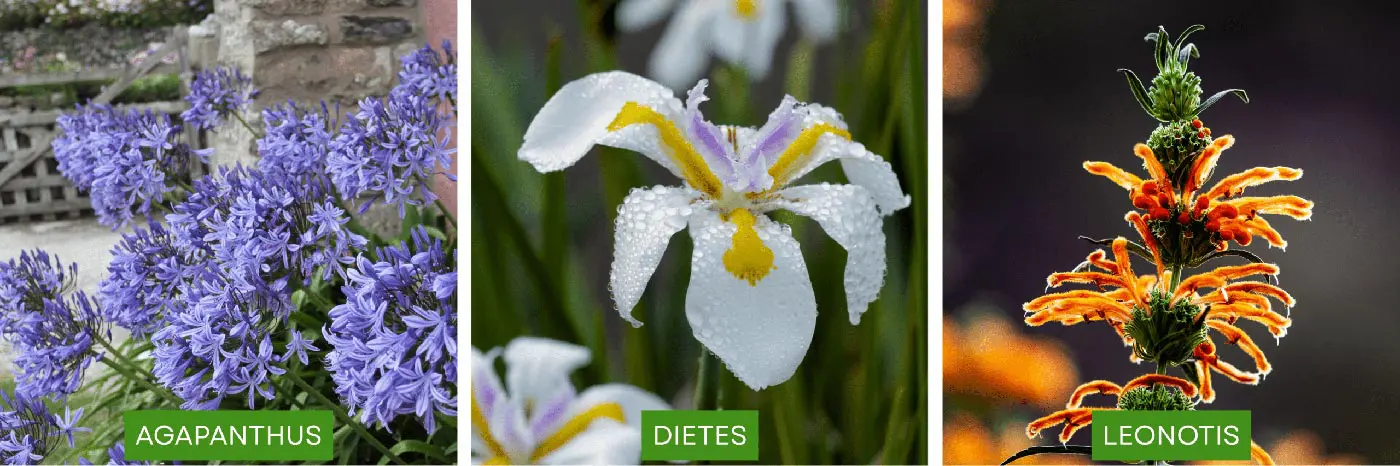
In the world of perennials, there is colour and more colour. Invest in plants like agapanthus and dietes that can be lifted and divided the next year to give you more plants. The same goes for ornamental grasses that add movement and colour to a space.
Feed the soil
One of the tasks that needs to be done all year is to feed the soil. A healthy soil biome is the cornerstone of any good garden. When planting anything, always add loads of compost. Then, for most plants, add superphosphate or bonemeal as a nutrient boost to help the plants settle in and grow healthy roots, and a slow-release general-purpose fertiliser to keep it going and lush.