If you start a winter edible garden this autumn in your South African garden, you will be eating tasty, healthy, warming soups and stews all through winter.
Making your own food garden is as rewarding as it gets. An ornamental garden is pretty, but a food garden is pretty and productive. Just the act of gardening will boost your health on the outside, and what you harvest fresh from the garden will boost it on the inside. It’s not only for exercise, fresh air, and calorie burning, but also for mental health. Think of gardening as a wellbeing sport, and it doesn’t have to be perfect; just give it a try.
Top 10 Winter Vegetables to Grow in South Africa
There are great soup and stew vegetables that grow in the cooler months; in fact, they prefer it and are also mostly frost-tolerant when established. This is a list of the top ten plants to plant for cooking this winter:
Asian greens
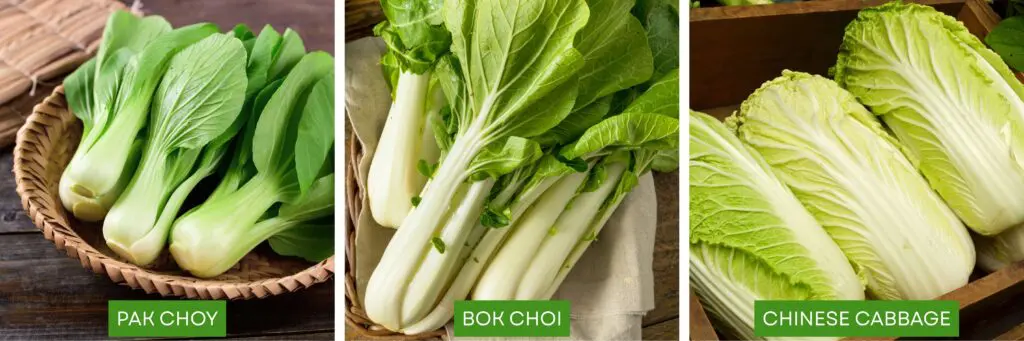
Pak choy, bok choi, tatsoi, mazuna and Chinese cabbage all fall under the Asian greens category. They are excellent for growing in autumn and winter, and can be steamed or stir-fried with Asian flavours like soy, hoisin and oyster sauce for a salty, savoury side, or chopped up and added to soups and stews. Plant in sun or partial shade in rich, well-draining soil.
Kale
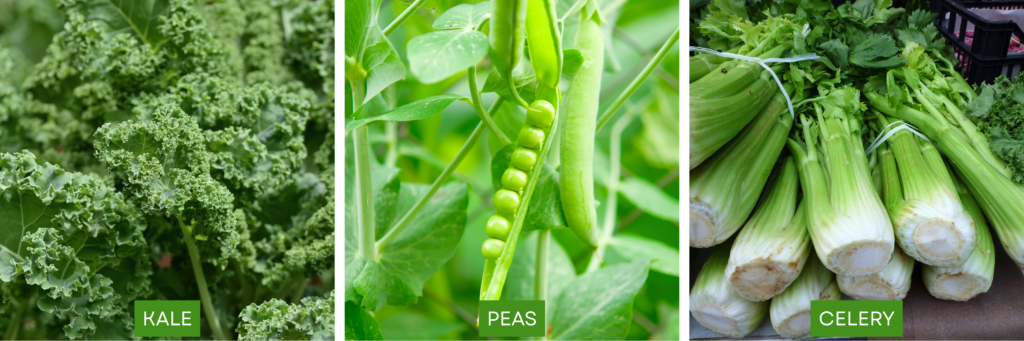
A healthy vegetable that can be added to soups and stews, or it can be deep fried as a crispy finish to a plate of vegetables to add flavour and crunch. Kale loves the cold. Plant in full sun and give it plenty of space to grow. Harvest the leaves as you need them.
Peas
Peas are a versatile crop and can be harvested as pea shoots, right up to pods. They need staking, but are great for walls and save space growing vertically. Pea soup is one of the most pleasant things to eat on a cold winter’s day, and pea shoots give a boost to any savoury dish when added at the end. Give them plenty of sun and soil enriched with extra compost.
Celery
One of the fundamentals of a good stew, and easy to grow in the garden. Plant in fertile soil and keep well-watered. This will prevent the stalks from becoming stringy. When combined with onions and carrots, a mirepoix serves as the base for many stews and soups, giving them good flavour at the start.
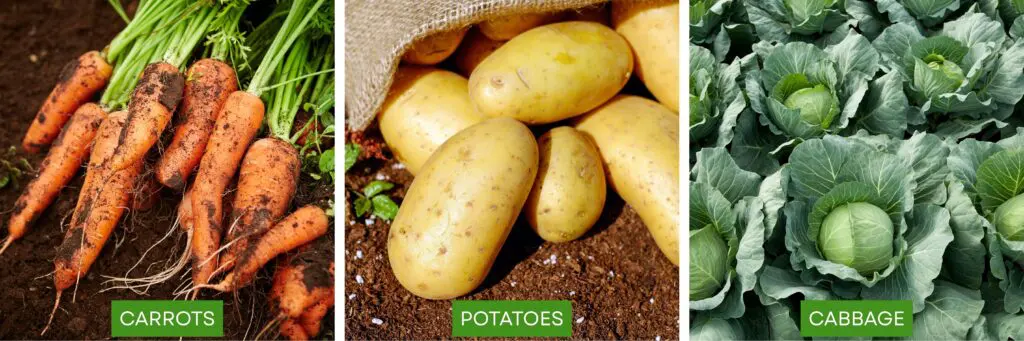
Carrots
A staple in the veggie garden, carrots are easy to grow from seed as long as the soil is friable so that the roots can grow downwards without hindrance. They don’t like really cold environments, but do well in temperate weather and prefer cool more than hot. Grow in the garden or in deep pots where you can control the soil texture for straight, beautiful carrots. Use the tops in soups and stocks, and the roots in soups and stews, or mix with butter and cream for a delicious carrot mousse as a side dish.
Potatoes
Seed potatoes can be grown year-round, especially in containers that can be protected. The main crops will be an early crop from August to October and the main crop between December and February; however, some varieties will be available throughout the year. This is one of the most versatile vegetables to grow, with one plant producing 5-10+ potatoes. They are also easy to store in a dry, cool place and can be used all through winter to bulk up soups and stews, or simply because potatoes are tasty, especially when they have soaked up a flavourful stock.
Cabbage
A cold-season crop that can feed many. Cabbage makes an excellent soup, is a great stew ingredient, and can be fermented for preservation and extra health benefits. The lacto-fermentation process enhances the nutritional value of cabbage by between 30-100%. That’s a significant degree which cannot be ignored, and it’s easy to make. Plant in sandy soil with plenty of organics added, and they will be ready to harvest in around 90 days when the heads are firm.
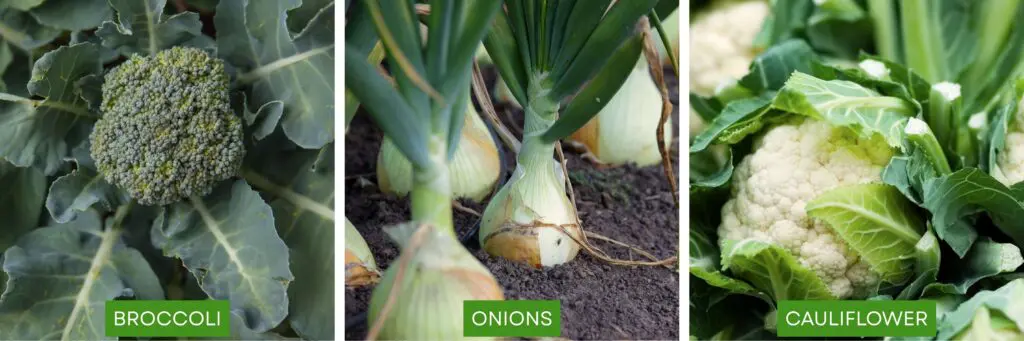
Broccoli
Another brassica that prefers cooler weather. This is a perfect cool-season crop that needs full sun, rich, well-draining soil, and regular watering. After about 80 days, they will be ready to harvest. Consider growing broccoli as microgreens, as 3-5-day-old micros have 10-20 times the health benefits of fully grown broccoli due to the potent antioxidant and anti-inflammatory sulforaphane. Eat them daily, sprinkled on your food, for excellent health benefits.
Onions
Although a long-season crop (4-7 months), they are well worth the effort. Onions are the basis of too many dishes to count, but they can also sit on their own, roasted or made into a sweet and morish marmalade for cheese and biscuits. Plant in well-draining, rich soil, water regularly and make sure they are well fed throughout the time they are growing. They store very well once harvested, so go ahead and plant the whole seed packet.
Cauliflower
This cool-season crop has a reputation for being very versatile for those who are avoiding gluten. Make a pizza base, substitute a potato mash, or use it as a rice. You can also just make a classic cauliflower cheese to go with anything. Cauliflower is easy to grow in rich, well-draining soil in full sun. They will take 8-12 weeks to mature, depending on the variety. Look out for purple and orange varieties, which are fun to grow.
Best Herbs to Grow for Winter Cooking
Herbs are an important ingredient in a soup or stew to add flavour, and for the health benefits they can have. Many robust herbs can be added at the beginning of cooking, while some with delicate flavours are added at the end just before serving. Try these:
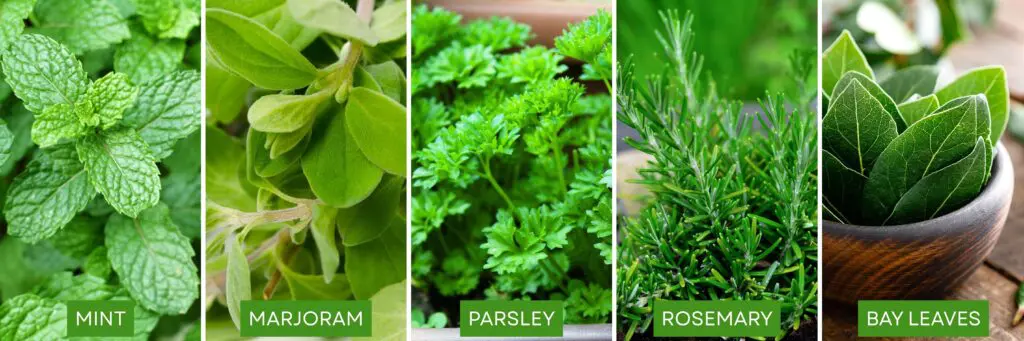
Mint
Think mint and peas for an excellent combo. Mint grows well in containers and can become invasive in the garden. It has a very strong flavour, so use it as a mint sauce to add as a condiment when serving, or use it sparingly, chopped at the end of cooking. Combine equal handfuls of mint and coriander as the base for fragrant, delicious Malaysian curries.
Marjoram
Not the usual herb to grow, and yet filled with health benefits and flavour. In warmer regions, it can be grown year-round, but it doesn’t like frost, so in colder areas, grow in pots on a warm patio or on a sunny windowsill indoors. Use fresh marjoram to finish meaty dishes.
Parsley
Just before serving, a sprinkle of chopped parsley will add colour and flavour to a dish. It is also the perfect herb to add to mashed potatoes, roasted vegetables, and omelettes, and is a key ingredient in chimichurri sauce, which can be used on anything, even a slice of bread. Parsley grows in sun or partial shade, in rich soil and as long as it has plenty of water will keep on growing. Keep it close to the kitchen and harvest as you need it.
Rosemary
A robust herb that prefers the Mediterranean climate of the Cape but can be grown anywhere. It will tolerate light frost, but prefers a warmer environment. Once established, it is very low-maintenance and drought-tolerant, needing just the occasional harvest for the kitchen. Use at the beginning of cooking to impart that typical rosemary flavour into stew and soups. Remove whole stems before serving. Use as a base with garlic and lemon for roasting meat like beef and lamb.
Bay leaves
A distinct flavour that is often used in stews and soups to add a subtle taste and aroma. Bay trees look after themselves once established, and one is enough for all your cooking needs. They are hardy evergreens that need water and fertile soil.
Growing Food in Small Spaces
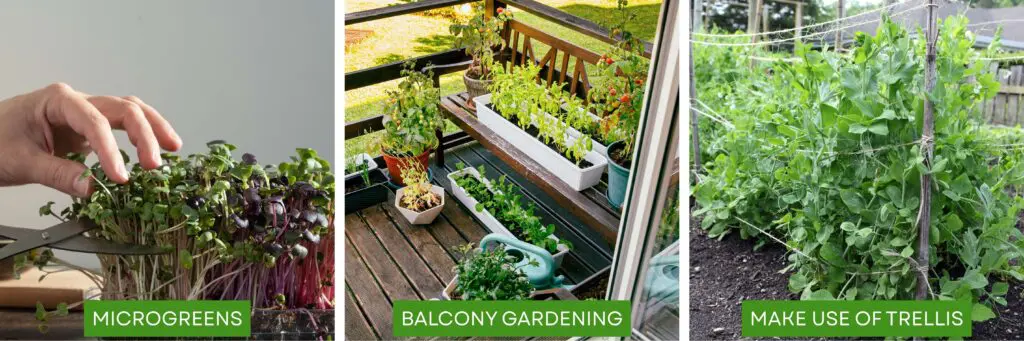
A food garden can be started in a pot on a sunny windowsill. There are also nutritious vegetables and herbs that can be grown as microgreens and sprouts, transforming your meals from ordinary to extraordinary. A balcony offers more options, like potted veggies and small trees. The success is using light potting soil, regular feeding and making sure there is plenty of sunlight for any food crop – at least 6 hours a day.
In small gardens where space is limited, use vertical walls or create walls with trellises or fencing to grow climbing vegetables like peas and beans. Use the shade of these vegetables to grow lettuce and Asian greens.
Troubleshooting Your Winter Vegetable Garden
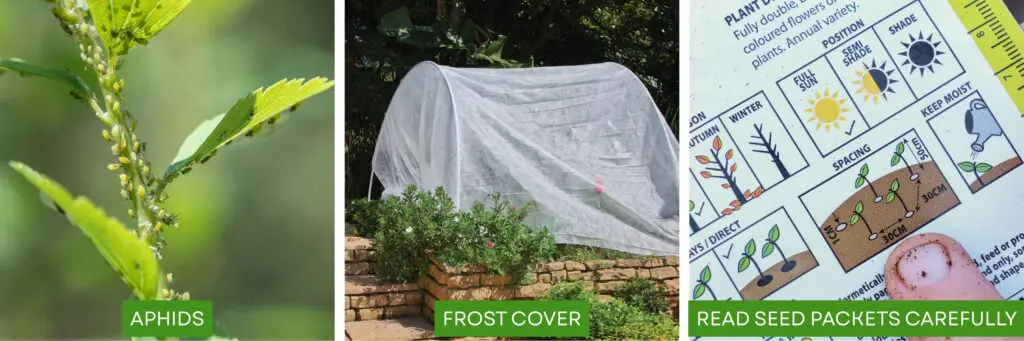
- Even though it’s cold outdoors, watch out for slugs, snails, aphids and cabbage worms that will attack crops and deal with them quickly so they don’t spread.
- For plants that are not frost-resistant, have a backup plan to cover them with frost protection fleece or grow in containers that can be moved indoors or into a greenhouse.
- Plants grown in this season are often slow growers, and patience is needed. Don’t give up, and read seed packets carefully for the expectations of harvest time.
Answers to common questions:
Asian greens, kale, peas, celery, carrots, potatoes, cabbage, broccoli, onions, and cauliflower all thrive in cool South African conditions. Most are frost-tolerant once established, making them reliable winter crops.
Yes — June is an ideal time to plant cool-season crops across most of South Africa. Many winter vegetables, including kale, Asian greens, and peas, prefer cooler temperatures and will establish well through the winter months.
Rosemary, bay leaves, and parsley grow well outdoors through winter. Mint and marjoram are better grown in containers in colder regions, where they can be moved to a warm windowsill or sheltered patio if frost threatens.
Yes — potatoes, Asian greens, and carrots all grow successfully in containers. Use lightweight potting soil, water regularly, and ensure at least six hours of sunlight daily. Containers also allow you to move frost-sensitive plants indoors when needed.
Cover frost-sensitive plants with frost protection fleece overnight. For container-grown vegetables, move pots indoors or into a greenhouse when temperatures drop sharply. Hardy crops like kale and cabbage will tolerate light frost once established.
Peas, carrots, and Asian greens are among the easiest winter crops to grow from seed in South Africa. Sow carrots directly into loose, friable soil; peas need staking but establish quickly; Asian greens germinate fast and can be harvested as young leaves.