What to do with your lawn when the cold sets in
A lawn in winter is often ignored while you wait out the cold weather. This is a shame, because a little care during the cooler months makes all the difference to how your lawn looks and grows once spring arrives. Luckily, winter lawn care is largely about doing less, not more.
Most lawns are warm-season grasses. Kikuyu, LM, Buffalo and Cynodon all slow down or go dormant in winter, turning pale or brown as they conserve energy. This is completely normal and not a sign that anything is wrong. A dormant lawn is resting, and the goal over winter is to support that rest.
To feed or not to feed
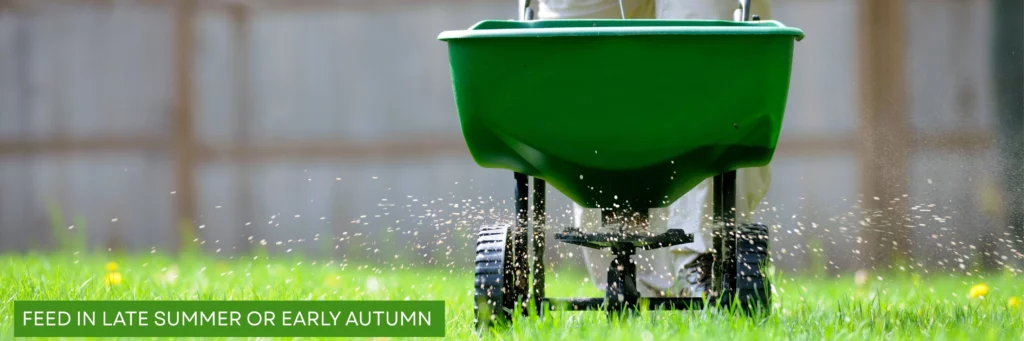
Feeding is where many gardeners go wrong in winter. Warm-season grasses don’t use nutrients the same way when dormant, and feeding a sleeping lawn with high-nitrogen fertiliser is a waste of both product and money. Worse, it can encourage soft, weak growth that gets damaged by the cold.
The better approach is to feed in late summer or early autumn with a fertiliser that includes potassium, which helps strengthen the grass ahead of the cold. Potassium improves the plant’s ability to tolerate stress, including cold stress, and prepares the roots for the months ahead. Once the lawn has slowed, put the fertiliser bag away until the first warm weeks of spring.
If your lawn is on the greener side through winter (as is often the case in coastal areas and the warmer parts of KwaZulu-Natal and the Lowveld), a light feed of organic compost spread thinly across the surface will keep things ticking over without pushing new growth.

Mowing in winter
The goal in winter is to mow less and mow higher. This is the simplest winter mowing rule, and it works for almost every lawn type. Longer blades of grass protect the crown of the plant from cold, shade out winter weeds, and keep more surface area available for the little photosynthesis the grass is still doing on sunny days.
Only mow when the grass has actually grown enough to need it. In much of the country, this might mean mowing once every three to four weeks, or not at all in the coldest stretches. Never scalp a winter lawn. Cutting too low exposes the crown and damages the plant. Also, keep the mower blades sharp. A clean cut heals faster, and winter is not a time when the lawn has energy to spare.
Watering
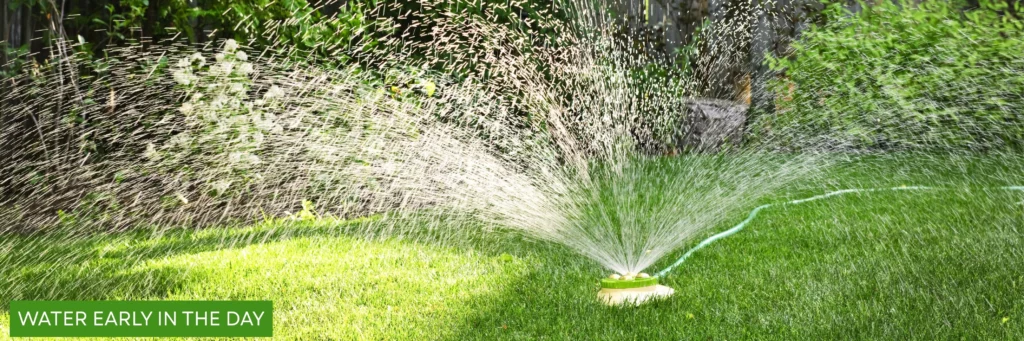
Warm-season grasses need very little water in winter. Cold, wet soil is the perfect environment for fungal diseases, and dormant grass simply doesn’t drink much. In most regions of South Africa, occasional watering every two to three weeks is plenty, if it is needed at all. Water early in the day so the surface can dry before nightfall. The Cape, with its winter rainfall, usually needs no supplementary watering at all.
Patching bare spots
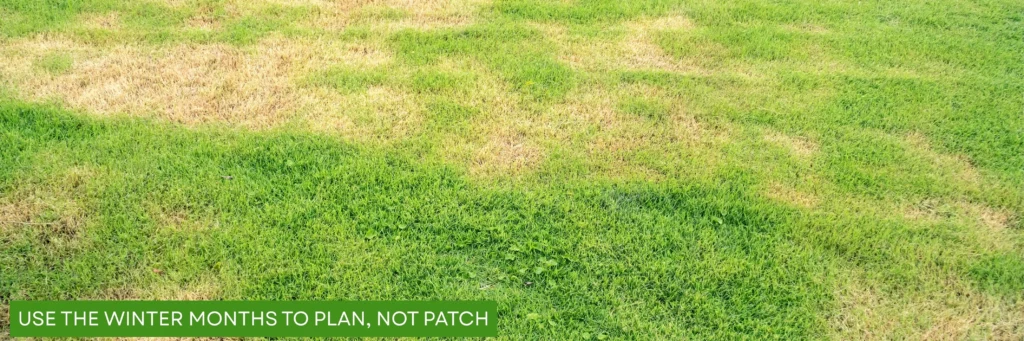
Winter is not the time to reseed or lay new sod for warm-season grasses. The soil is too cold for seeds to germinate reliably, and newly laid runners won’t establish before spring. Instead, use the winter months to plan. Mark the bare patches, work out what caused them (foot traffic, poor drainage, too much shade, dog damage, and so on) and address the underlying issue before the growing season begins. Improve the soil in those spots with compost dug in lightly, and have your seed or sod ready to go the moment the ground warms up in September or October.
There is one exception. Cool-season grasses sometimes can be sown or patched in autumn as the temperatures start to drop, if you want some winter colour amongst your warm-season grasses. This is common on golf courses and high-visibility lawns, but it’s a fair amount of extra work for a home garden, and the transition back in spring can be tricky.
Weeds
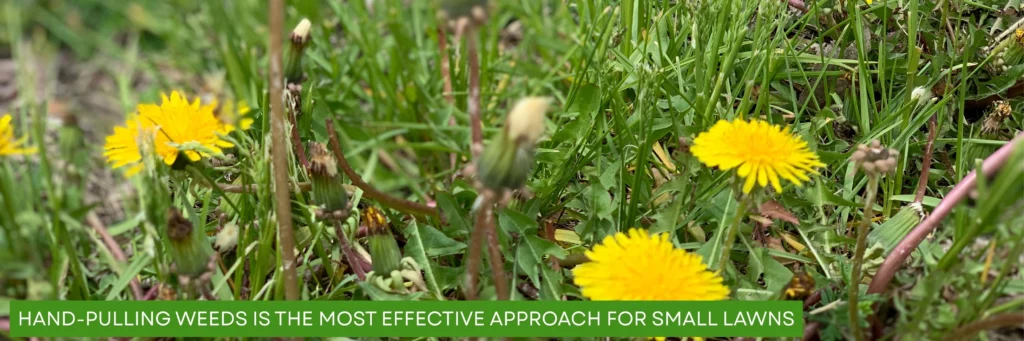
Winter weeds are a real problem in an otherwise dormant lawn, because they keep growing while the grass slows down. Broadleaf weeds like clover, oxalis, and dandelion can take over quickly if left alone.
Hand-pulling is the most effective approach for small lawns, and it works best after rain when the soil is soft and the whole root comes out easily. For larger areas, a selective broadleaf herbicide applied on a mild, still day will handle most weeds without damaging the grass. Read the label carefully, as some products aren’t suitable for Buffalo or LM lawns. Keeping the grass cut a little longer, as mentioned earlier, is one of the best passive weed controls available. Shade at the soil level stops many weed seeds from germinating in the first place.
Frost and cold damage
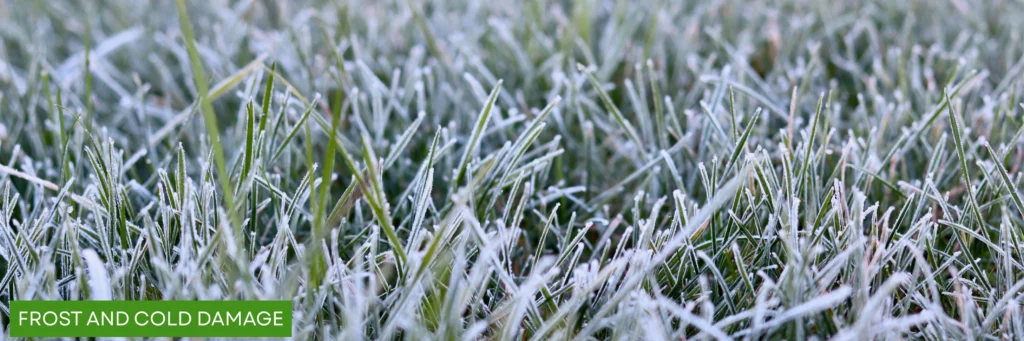
If your area gets frost, expect the lawn to brown off across the top after the first serious cold night. This is normal and mostly cosmetic. The crown and roots are protected below the surface, and the grass will green up again in spring. Avoid walking on frosted grass where possible. Each footprint on a frozen lawn crushes the leaves, and those broken blades often stay brown well into the growing season. If you have to cross the lawn regularly, consider laying stepping stones along the route before winter sets in.
A few things to leave alone
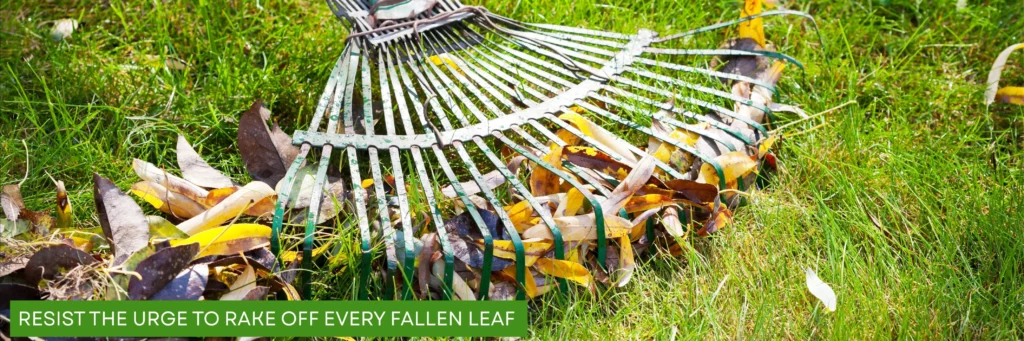
Aerating, dethatching, and top dressing are best done at the start of the growing season, not during dormancy. These jobs stress the lawn, and a dormant lawn has no way to recover from that stress. Put them on the list for early spring instead. Similarly, resist the urge to rake off every fallen leaf from the lawn surface. A light scattering of leaves is fine and even beneficial as it breaks down. A thick smothering layer is a different story and should be cleared, but a few leaves left in place feed the soil for free.
Getting ready for spring
The last few weeks of winter are the time to prepare. Sharpen mower blades, service the lawn mower if it needs it, and have your spring fertiliser and any seed or sod ready to go. When the soil temperature climbs into the high teens, the grass will start moving again, and being ready to feed, water, and patch at the right moment sets up the whole growing season.
Answers to common questions:
Should I feed my lawn in winter?
No. Warm-season lawns like Kikuyu, LM, Buffalo and Cynodon are dormant in winter and don’t use nutrients the same way, so high-nitrogen fertiliser is wasted and can encourage weak growth. Feed instead in late summer or early autumn with a potassium-rich fertiliser.
How often should I mow my lawn in winter?
Mow less and mow higher. Depending on growth, this may mean once every three to four weeks, or not at all in the coldest stretches — never scalp a winter lawn.
How much should I water my lawn in winter?
Very little. Occasional watering every two to three weeks is usually enough, and areas with winter rainfall, like the Cape, typically need none at all.
Can I reseed or patch bare lawn patches in winter?
No — the soil is too cold for seed or new sod to establish. Use winter to prepare bare patches with compost, then reseed once the ground warms up in September or October.
Is it normal for my lawn to turn brown in winter?
Yes. Warm-season grasses turn pale or brown as they go dormant to conserve energy — this is normal and not a sign of disease or damage.