Autumn has a lot going for it. It is cooler, which makes gardening more pleasant, and it’s an excellent time for planting, especially trees, which will have time to settle in over winter before the spring flush begins. Autumn is also a good time to replenish the soil and gather fallen leaves for use in the garden. There is plenty to do, so let’s begin.
What to Plant
Autumn is considered planting season, maybe even more so than spring. For trees, this is the perfect time to get them established and their roots well set before spring.
Trees
When choosing trees to plant, make sure they will have enough space to grow and are planted in areas that get the most sunlight. This means a bit of research into what mature tree will grow to in height and width, and whether it is deciduous or evergreen. Trees that lose their leaves will be able to accommodate plants underneath more than evergreen trees, giving more planting space.
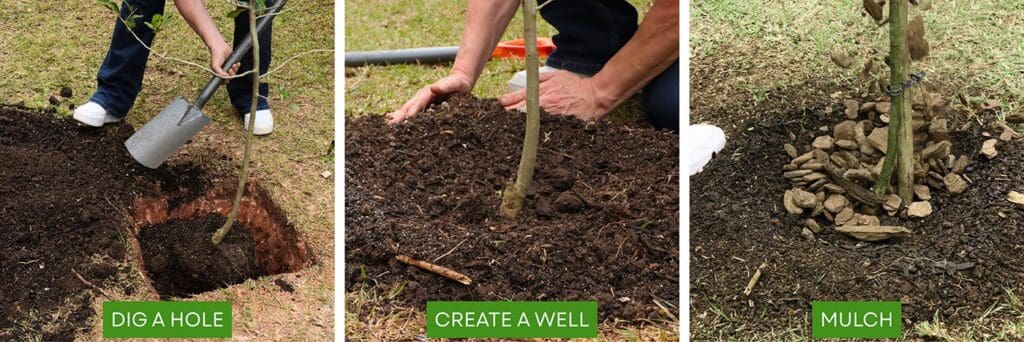
When planting, dig a hole at least twice as wide and as deep as the tree in the nursery bag. Mix the soil in the hole with loads of compost, a handful of BioRock or vermicompost like NutriCast or Fertilis, and a few handfuls of slow-release fertiliser. Plant most trees at the same depth as in the nursery bag, then backfill with soil, pressing down to remove air pockets. Make a well around the base to direct water to the roots and add a layer of mulch to conserve water and protect the roots from temperature fluctuations. Leave at least 5 cm of space between the trunk of the tree and the mulch.
Annuals

There are many cool-season annuals that can be planted now to add pops of colour in an autumn garden. These include pansies, violas, alyssum, phlox, larkspur, dianthus, calendula, and sweet peas, among others. Nurseries will now have a range of seedlings to choose from, with many of them flowering right into spring.
Perennials
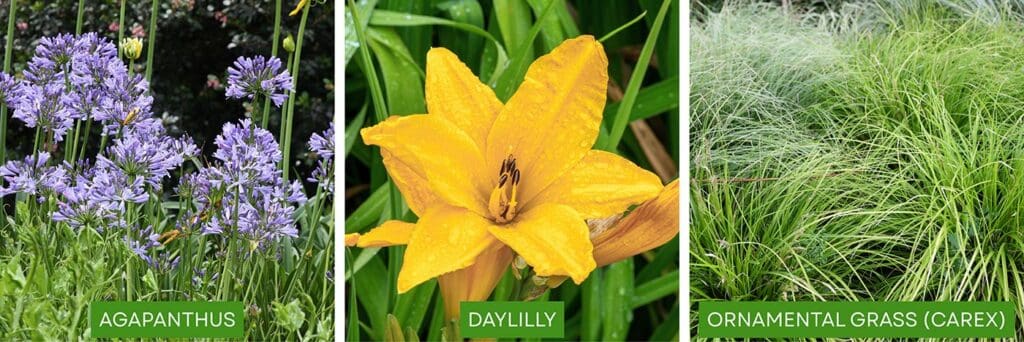
The backbone plants of any garden, perennials, are also planted in autumn to become established. If you already have some good perennials in the garden, consider lifting and dividing them to increase stock. Clumps of plants like agapanthus, dietes, daylilies, and ornamental grasses can be divided using a garden fork and digging out a clump. Shake off excess soil and divide into smaller sections. Cut off any degraded roots and cut the leaves in half before replanting in well-prepared, composted soil.
What to Sow
In the food garden, all the cool-season veggies are ready for sowing. These include all the brassicas: kale, cauliflower, Brussels sprouts, broccoli, and cabbage. Some leafy greens are best grown in cooler weather to prevent bolting too early, including spinach, lettuce, and herbs like rocket and coriander.
Long-season veg to sow now include onions, leeks, garlic, and root veggies like carrots, turnips, beetroot, and radishes. Get ready for peas and broad beans this season.
In the flower garden, there is also plenty to sow now for a splash in spring. Whatever seedlings are available at nurseries will also be available for sowing.
Things To Do
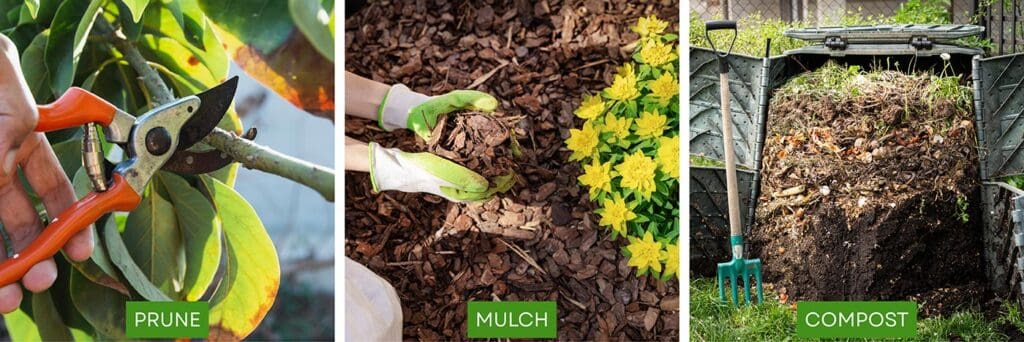
Autumn is a wonderful season to fix any problems and renew. These are our top tasks.
- Pruning: Autumn pruning should be light and selective. Remove spent flowers unless you would like to keep the seed heads for the birds in winter. Remove any damaged or diseased branches and clean up things like fruit trees. Avoid heavy pruning until the end of winter.
- Soil replenishing: Compost can be added at any time, but when fixing soil, it’s a must. If you must leave spaces for planting only in spring, add a good layer of compost over the top to keep the soil nutrient-dense. Also consider planting a cover crop like clover, barley, or vetch, or using broad beans and peas in these areas.
- Mulching: Renew all mulches by raking up old organic mulch for composting or digging it into the surface soil and adding a new fresh layer. Mulches like stones can be removed, washed, and replaced to give the area a fresh look.
- Start a Compost Heap: With so many leaves available, why not start a compost heap? The perfect compost heap is a combination of ‘greens’ and ‘browns’ in equal proportions. The greens are anything still green, like lawn clipping and garden prunings containing plenty of nitrogen, and the browns are the fallen leaves from trees loaded with carbon. At this time of year, the browns will certainly outweigh the greens, so they are stored in black plastic bags to break down into leaf mould, or just stored to add to compost when the greens are in excess.
Whatever you do this autumn will have an impact on your spring season, so make it a good one.