A good spring garden doesn’t happen in September. By then you’re just watching the results of what was done weeks earlier, when the garden looked bare, and nobody was paying much attention. August is where the real work sits; the pruning, the soil prep, the quiet jobs that most people only remember once the first flush of spring growth has already started without them.
The good news is that none of it is complicated. A few weekends of focused effort now, and your garden will be set up to do most of the performing on its own once the warmth arrives.
1 . Pruning roses
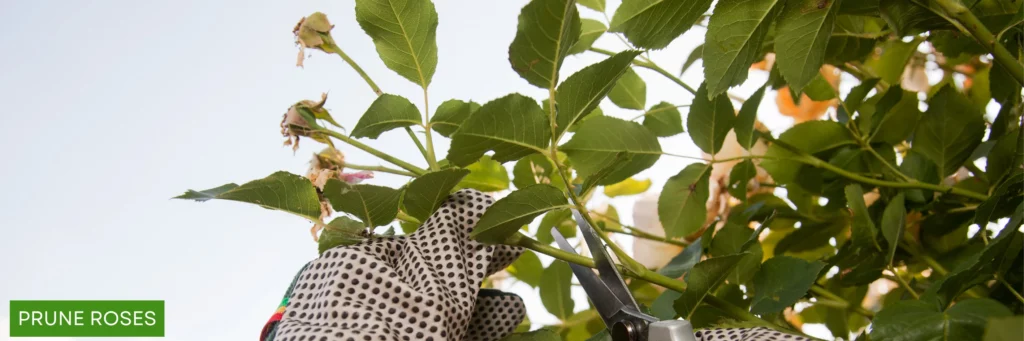
This is the job that defines August for most gardeners. Roses are pruned in winter while they’re dormant, and in most parts of the country the window is closing by the end of the month. In frost-free and coastal areas, this could have been done from mid-July. In colder inland regions, waiting until the heavy frost risk has passed is the safer option, which usually means late July into August.
The approach is straightforward. Remove any dead, damaged, or crossing branches first, then open up the centre of the bush to let air move through it freely. Cut back to an outward-facing bud so that new growth heads away from the middle rather than back into the tangle. How hard you go depends on the type. Hybrid teas and floribundas can handle being cut to about a third of their height. Climbing roses and shrub roses need a lighter hand; remove old unproductive wood and shorten the side shoots, but keep the main framework intact.
Once the pruning is done, give each bush a good feed with a balanced fertiliser and a fresh layer of mulch around the base. Keep the mulch a few centimetres away from the stem itself to prevent collar rot. It’s a small detail that makes a big difference.
2. Preparing beds
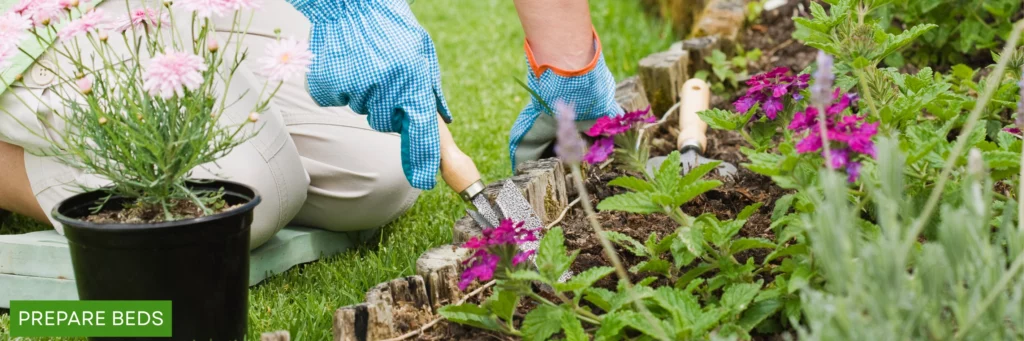
If you do one thing this month, let it be this. Turning over the soil in your beds now, working in compost, and checking that drainage is adequate will save you scrambling in September when the nurseries are full of seedlings, and you’ve got nowhere ready to put them.
Use a garden fork to loosen compacted soil (15-20 cm deep is plenty) and mix in a generous amount of compost. The soil has been sitting through winter and may have become dense and waterlogged in places. If you notice that water pools in certain spots after rain, work in coarse sand and organic matter to improve the structure, or consider raising those sections slightly.
A layer of mulch (5-8 cm) on top of prepared beds will keep weeds from getting a head start and hold moisture in the soil as temperatures begin to climb. Bark chips, straw, or dried leaves all do the job. The goal is soil that’s loose, rich, and ready so that when you bring home trays of seedlings, they can go straight into the ground.

3. Pruning deciduous trees Pruning deciduous trees and shrubs
Roses get all the attention, but August is also the time to finish pruning other deciduous plants while they’re still dormant. Fruit trees like peach, plum, apple, and fig all benefit from a winter prune. The principle is the same across most of them: remove dead wood, open up the canopy so light reaches the inner branches, and shape the tree for the coming season.
Deciduous ornamental shrubs that flower on new wood (hydrangeas, buddleja, certain spireas) can be cut back hard now. Those that flower on old wood should be left alone until after they’ve flowered in spring; otherwise, you’ll be cutting off the very buds that were about to perform for you. If you’re unsure which category a shrub falls into, it’s worth checking before reaching for the secateurs.
4. Refreshing containers
Container gardens tend to look tired by August. The potting mix has broken down, nutrients are spent, and everything has that slightly sad, end-of-season look. Now is the time to tip out old soil, scrub the pots clean, and start fresh.
Use new potting mix rather than topping up old. Spent soil loses its structure over time, compacts, and drains poorly. A plant struggling in tired soil will rarely recover just because spring has arrived; it needs something better to grow into. If you’ve got large pots that are difficult to empty entirely, remove the top third of the soil and replace it with fresh mix, along with a slow-release fertiliser worked in.
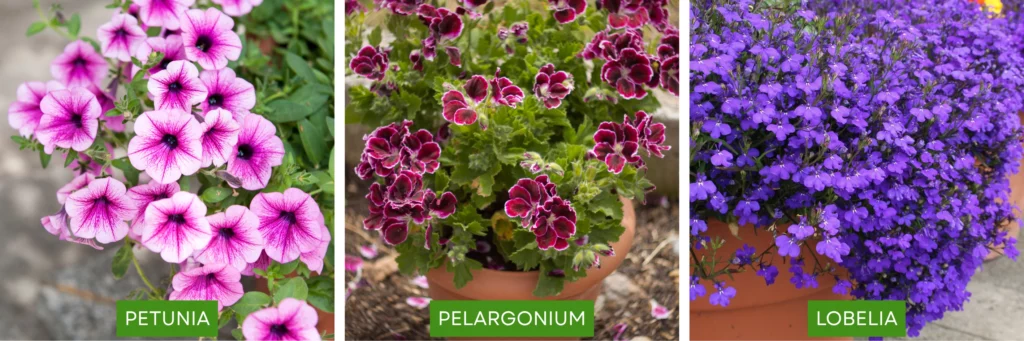
This is also a good moment to think about what you want in those containers for the new season. Petunias, pelargoniums, and lobelia are all reliable for colour. Herbs like basil, parsley, and rosemary do well in pots on a sunny stoep. Have a plan before you buy, or you’ll come home from the nursery with ten plants and no idea where they’re going.
5. Watching for early movement
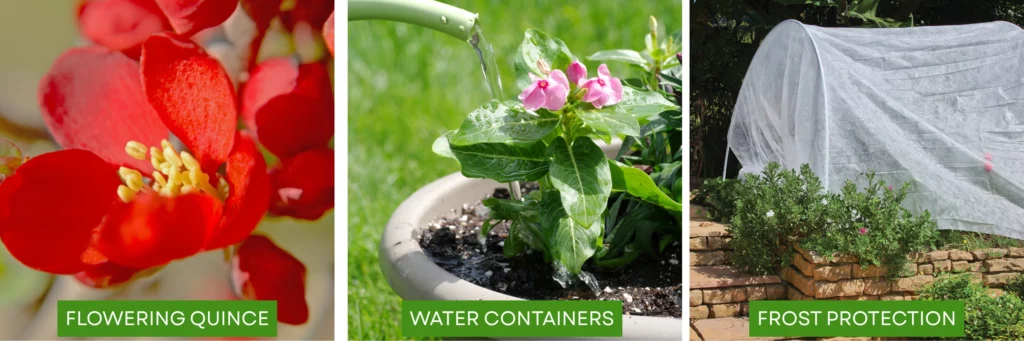
Towards the end of August, things start to stir. You may notice buds beginning to swell on deciduous trees, or the first green tips of bulbs pushing through the soil. Early-flowering plants like flowering quince (Chaenomeles) and certain aloes will already be showing colour.
This is your signal to start adjusting watering. Through winter, most established plants need very little, especially if there’s been decent rainfall. But as the days lengthen and temperatures begin to creep up, the garden’s water needs shift. Keep an eye on newly planted areas and containers in particular; they dry out faster than established beds.
It’s also a good time to check on frost-tender plants. If you’ve had frost cloth or old sheets draped over sensitive species, they can probably come off during the day now, though cold nights may still catch you out in some parts of the country. Watch the forecast rather than the calendar.
6. The August checklist
- Roses should be the first priority if they haven’t been pruned yet. Get them cut back, fed, and mulched before the month is out.
- Beds come next. Fork over the soil, mix in compost, and mulch. Any drainage problems are easier to fix now than when the bed is full of new plants.
- Deciduous fruit trees and ornamental shrubs that flower on new wood can still be pruned, but don’t leave it much longer. Once sap starts rising, the window closes.
- Containers need emptying and refilling with fresh potting mix. Clean the pots while they’re empty; a scrub with soapy water removes salt build-up and old disease spores.
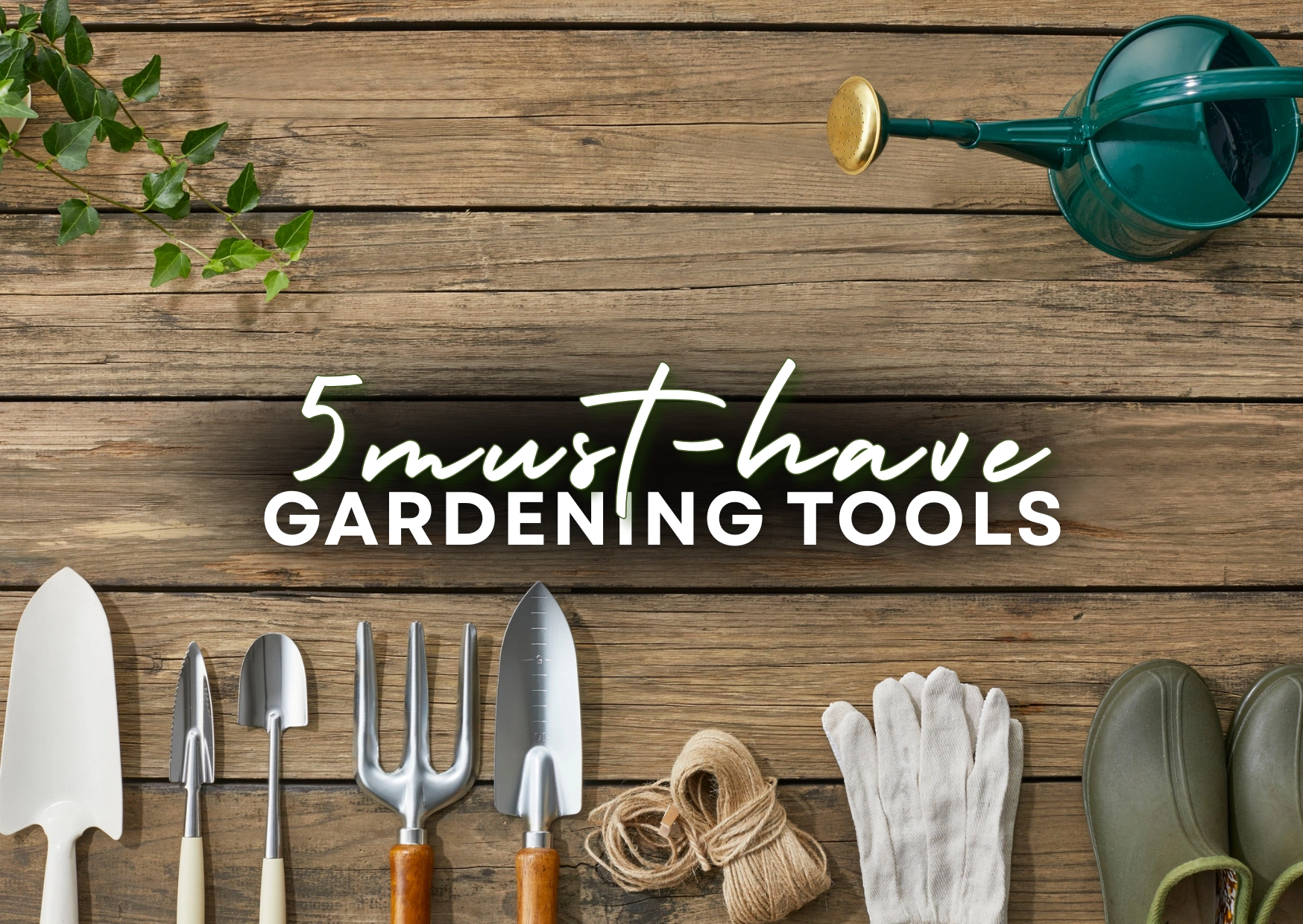
- Tools are worth a look too. Sharpen secateurs, oil any stiff hinges, and check that your garden fork and trowel are in good shape. September arrives quickly, and you don’t want to lose a morning hunting for equipment when there’s planting to be done.
- Order or buy seeds for anything you want to sow directly once spring arrives. Cosmos, zinnias, sunflowers, and nasturtiums are all easy to grow from seed and do well sown in September. Having them ready means one less trip to the nursery when things get busy.
7. A note on patience
There’s a temptation in August to rush things. The first warm day arrives, and suddenly you want to plant everything at once. But the soil is still cold, frost is still possible in many areas, and seedlings planted too early will sit and sulk rather than grow. Nature has its own schedule, and it doesn’t respond well to being hurried along.
Rather, use these last weeks of winter to get everything ready behind the scenes. The pruning, the soil, the containers, the planning. Then when September does arrive, and the garden starts to wake up properly, you’ll be stepping into a season that’s already been set up to succeed. That’s the real trick to a good spring display; not what you do in the spotlight, but the work that happened quietly in the wings.