
Floradale Nursery East London Floradale Nursery
 Port Elizabeth
 The Building Company
Cedar SquareVredendal Kwekery Nursery
Cedar SquareBuilders Express Hartebeespoort Builders Express
 Cedar Square
 Happy Hub Nursery
Cedar SquareImbali Garden Centre Garden Centre
 Cedar Square
 Builders Express Polokwane Builders Express
Cedar Square Germinator Nursery Nursery
Cedar SquareWoodlands Garden Centre Garden Centre
Cedar SquareFinding Neverland Nursery Nursery
Cedar SquareChamberlains Centurion Home Store
Cedar SquareAutumn Garden Tasks

Autumn has a lot going for it. It is cooler, which makes gardening more pleasant, and it’s an excellent time for planting, especially trees, which will have time to settle in over winter before the spring flush begins. Autumn is also a good time to replenish the soil and gather fallen leaves for use in the garden. There is plenty to do, so let’s begin.
What to Plant
Autumn is considered planting season, maybe even more so than spring. For trees, this is the perfect time to get them established and their roots well set before spring.
Trees
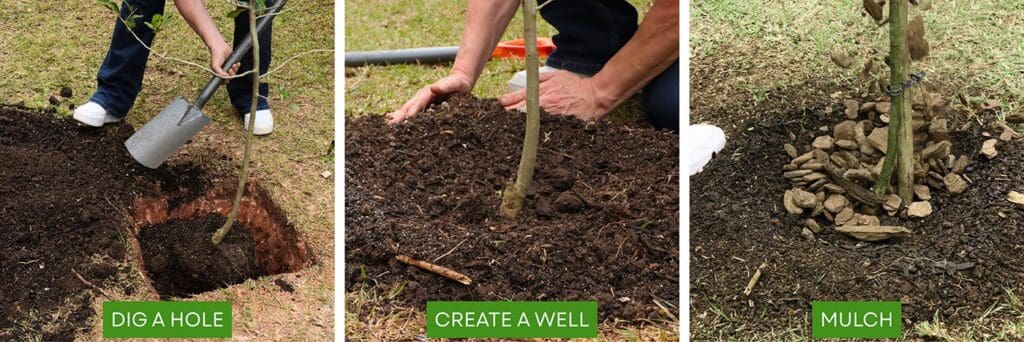
When choosing trees to plant, make sure they will have enough space to grow and are planted in areas that get the most sunlight. This means a bit of research into what mature tree will grow to in height and width, and whether it is deciduous or evergreen. Trees that lose their leaves will be able to accommodate plants underneath more than evergreen trees, giving more planting space.
When planting, dig a hole at least twice as wide and as deep as the tree in the nursery bag. Mix the soil in the hole with loads of compost, a handful of BioRock or vermicompost like NutriCast or Fertilis, and a few handfuls of slow-release fertiliser. Plant most trees at the same depth as in the nursery bag, then backfill with soil, pressing down to remove air pockets. Make a well around the base to direct water to the roots and add a layer of mulch to conserve water and protect the roots from temperature fluctuations. Leave at least 5 cm of space between the trunk of the tree and the mulch.
Annuals
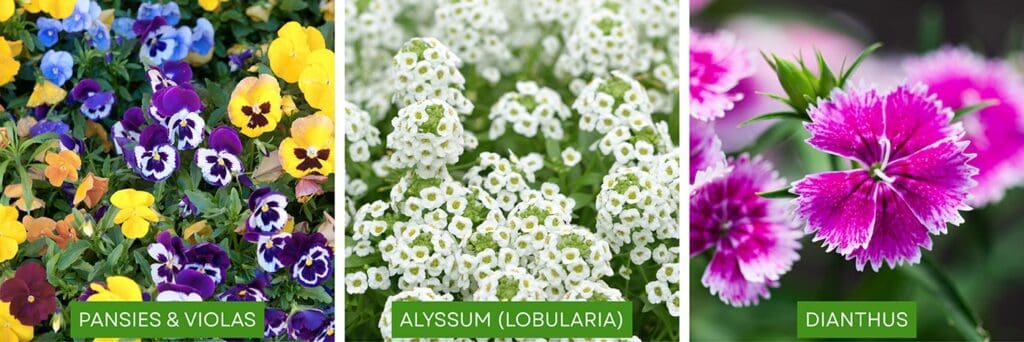
There are many cool-season annuals that can be planted now to add pops of colour in an autumn garden. These include pansies, violas, alyssum, phlox, larkspur, dianthus, calendula, and sweet peas, among others.
Heat-loving Mediterranean herbs

Herbs that thrive in hot, dry and sunny conditions are often the most useful for cooking. Interestingly, these all come from the Mediterranean region and pepper many of the dishes we too like in hot, sunny South Africa. These are some to grow at home.
Rosemary
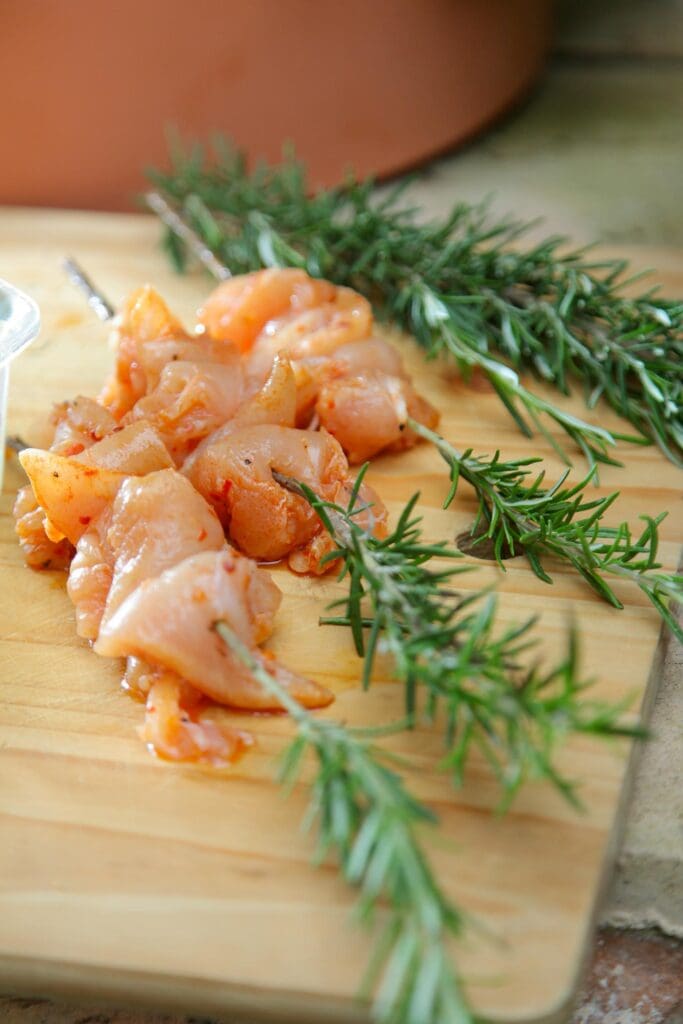
Rosemary is one of those herbs that prefer lean conditions, like those of the scrubby, hot, dry regions of coastal countries like Spain and North Africa, from whence it comes. This woody perennial has a strong structure that allows it to be shaped into low hedges or left wild as a groundcover or a low shrub, depending on the variety. It typically reaches 1-2 m in height without pruning.
Rosemary is used medicinally to improve memory and for its antibacterial, antifungal, and anti-inflammatory properties.
In the kitchen, uses are many, and it is often a substitute for wooden skewers, imparting a rich, robust flavour to meats. It provides a strong flavour for potatoes and root vegetables and makes an excellent topping for focaccia bread. Infused rosemary oil is often drizzled over vegetables and salads.
Thyme
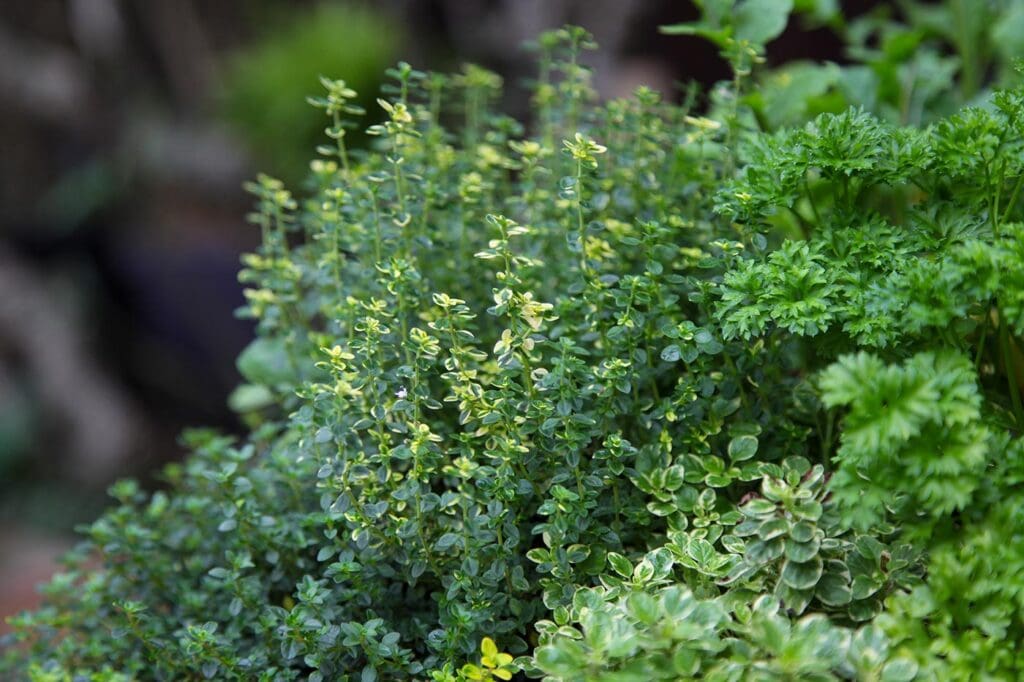
These small leaves pack a punch and add plenty of flavour to both sweet and savoury dishes. This compact plant is excellent for containers, popping into any sunny spot in the garden and between pavers, so that when walking across them, the lovely aroma wafts upwards, improving your mood.
In the kitchen, it can hold its own or be added to many dishes that require a fresh herbal touch. Pull off the tiny leaves for egg dishes, or use whole sprigs, bunched together, for meat, soups, and stews.
Did you know that when knights went off to battle, they would take a symbol of thyme with them, as it was believed it would give them strength, courage and ward off danger.
4 Gardening Trends & How to Embrace Them in 2026
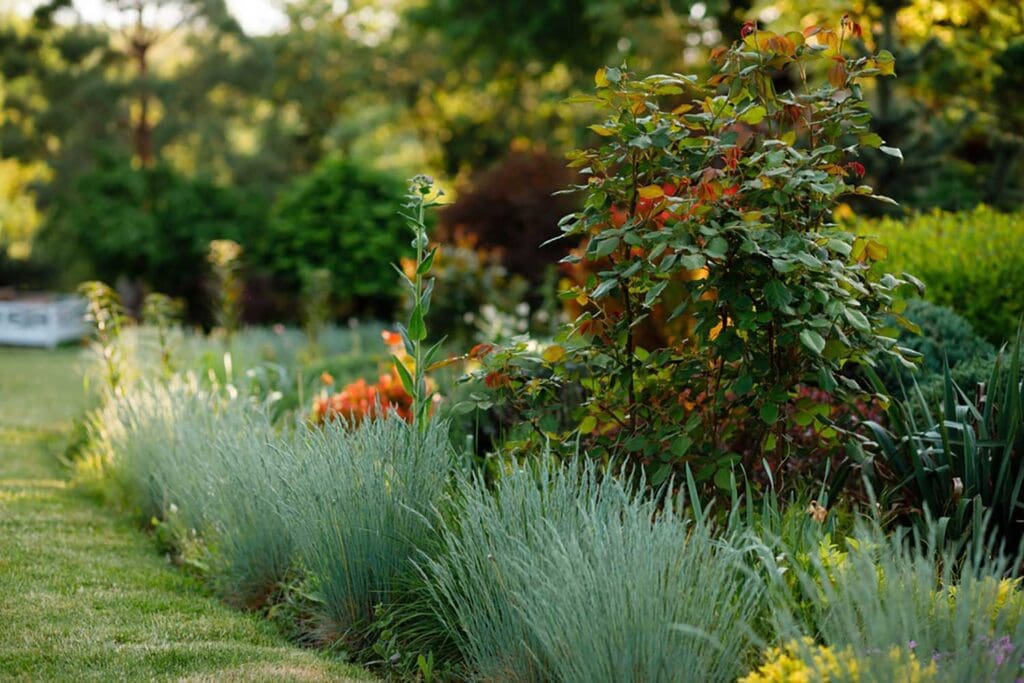
Gardening will always be in style, but keeping your finger on the pulse of the latest gardening trends means you’ll always have inspiration to freshen up your outdoor sanctuary, keep it modern, while still putting your unique personalised touch to it.
Looking for some ideas to start the year? You’re in the right place.
We’ve rounded up these four trends set to shape gardens across the world in 2026, to help get those creative juices flowing and green thumbs busy.
Gardening trend #1: Maximalist gardening
Minimalism is out, maximalism is in!
Maximalist gardening is a trend that embraces abundance, boldness, and ‘more is more’ aesthetics in outdoor spaces. Forget neat lawns and sparse plantings; with maximalism in the garden, think dense, layered plantings, variety and diversity and (it goes without saying) bold colour combinations.
Try your hand at the trend by embracing layered plantings by filling every available space with plants at different heights, creating a lush, jungle-like feel rather than leaving open areas or mulch visible. For variety and diversity, incorporate many different plant species, textures and forms rather than repeating the same few plants. This creates visual interest and complexity.
And to really go all out, if you’re feeling bold, try trading in subdued or coordinated palettes for a mix of vibrant, clashing colours. Think hot pinks next to oranges, purples mixed with reds.
Experts say the trend appeals to people who want their gardens to feel vibrant, joyful and personality-filled rather than restrained or overly designed. It’s also more forgiving for beginners since the ‘messy’ abundance is part of the aesthetic.
Gardening trend #2: climate-resistant edible crops
Climate-resistant edible crops are transforming local gardens as growers adapt to drought and heat.
Indigenous plants like amaranth (marog), cowpeas and sorghum are being rediscovered alongside hardy varieties of sweet potato, moringa and indigenous spinach.
A Fresh Start: How to Plan, Build and Grow a Better Garden This Year
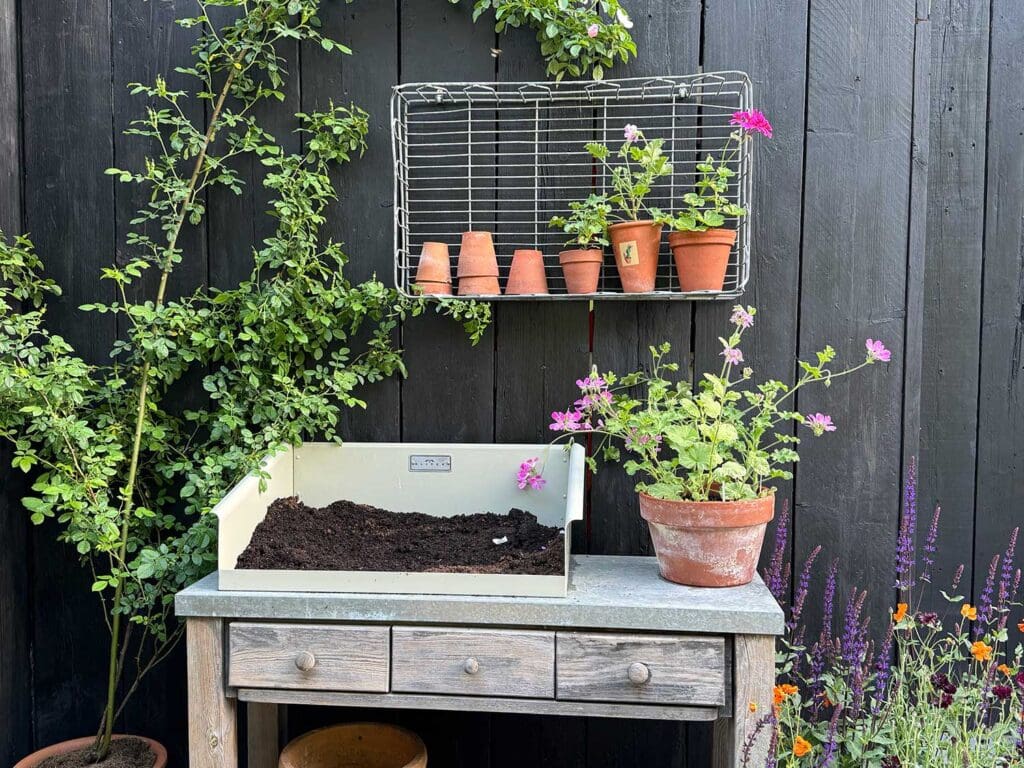
The beginning of the year is always a good time to re-evaluate your garden and make a wish list of what you want to achieve in the year. You may want to restructure, add more storage, invest in some new tools, bring in more wildlife or plant more flowers. Whatever you choose, here are some tips to get started.
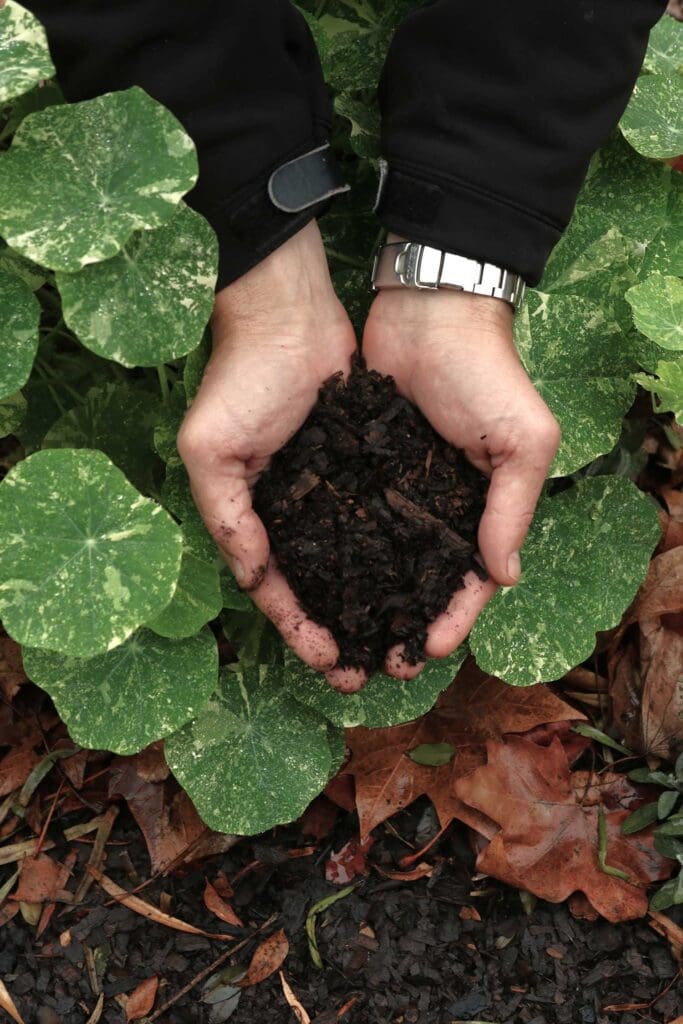
Start from the ground up
Of utmost importance for a healthy garden is to always improve the soil and build up microbes. Soil microbes form crucial partnerships with plant roots to help them enhance nutrient and water uptake, boost a plant’s resilience, and reduce stress and can even suppress pests and diseases.
To increase microbes and improve the soil:
- Add plenty of organic matter like compost or leaf mould. The planting stage is ideal for adding organics into the soil, and it will give the plants a boost. Also, add organic matter as mulch. A layer of compost 2-3 cm deep is an excellent mulch.
- Make use of cover crops to keep the soil moist; the roots also improve the soil by increasing activity, and the crop is then added as organic matter at the end of the season.
Never leave a nursery without a few bags of compost, or make it a mission this year to make your own.
Be good at planning
A good plan, even a basic sketch on a piece of paper, will give better results than just winging it. If you have a plan for the entire garden, always start off with one small section at a time. This means lower cost and effort, you are not overwhelmed, and you will see better results. Here are some ideas to get started:
- Most plants will need 6-8 hours of sunlight a day, particularly vegetables, fruit and herbs. The first tip is to observe how the sun moves through the garden so you can place the plants correctly and give them what they need.
How to embrace the benefits of slow gardening this summer
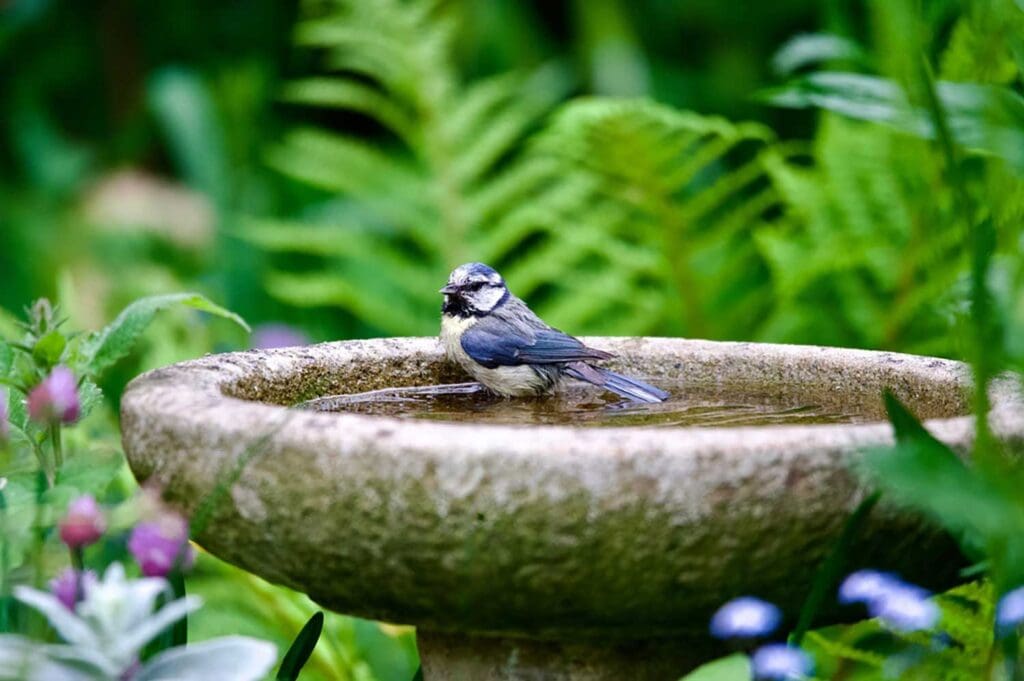
As the jacarandas fade and the summer heat settles in, there’s no better time to slow down and reconnect with your garden.
Forget the frantic weeding sessions and regimented planting schedules.
This season, it’s all about slow gardening – a mindful gardening approach that transforms your outdoor space into a sanctuary for rest, reflection and genuine connection with nature.
What is slow gardening, anyway?
Think of slow gardening as the antidote to our always-on culture.
It’s about savouring the process rather than obsessing over the end result. Instead of ticking off tasks on a garden to-do list, you’re invited to truly observe a ladybird making its way across a leaf, feel the texture of soil between your fingers, or simply sit beneath a tree and listen to the hum of the garden’s summer symphony.
This approach encourages you to work with nature’s rhythms rather than against them, choosing plants suited to our summer conditions and letting your garden guide you rather than the other way around.
Create your summer sanctuary space
Start by designating a quiet corner of your garden as your slow gardening retreat.
It doesn’t need to be elaborate – a weathered bench beneath a tree, a collection of comfy cushions on your patio, or even a simple stool tucked between the herb beds will do perfectly.
Surround this space with sensory plants that engage all your senses. Indigenous grasses like Aristida junciformis rustle soothingly in the breeze, while fragrant plants such as wild garlic (Tulbaghia violacea) or white num num (Carissa macrocarpa) release their scent as you brush past.
Add texture with lamb’s ear or woolly cephalophyllum, and watch butterflies dance around your summer blooms.
Tend to tasks that soothe the soul
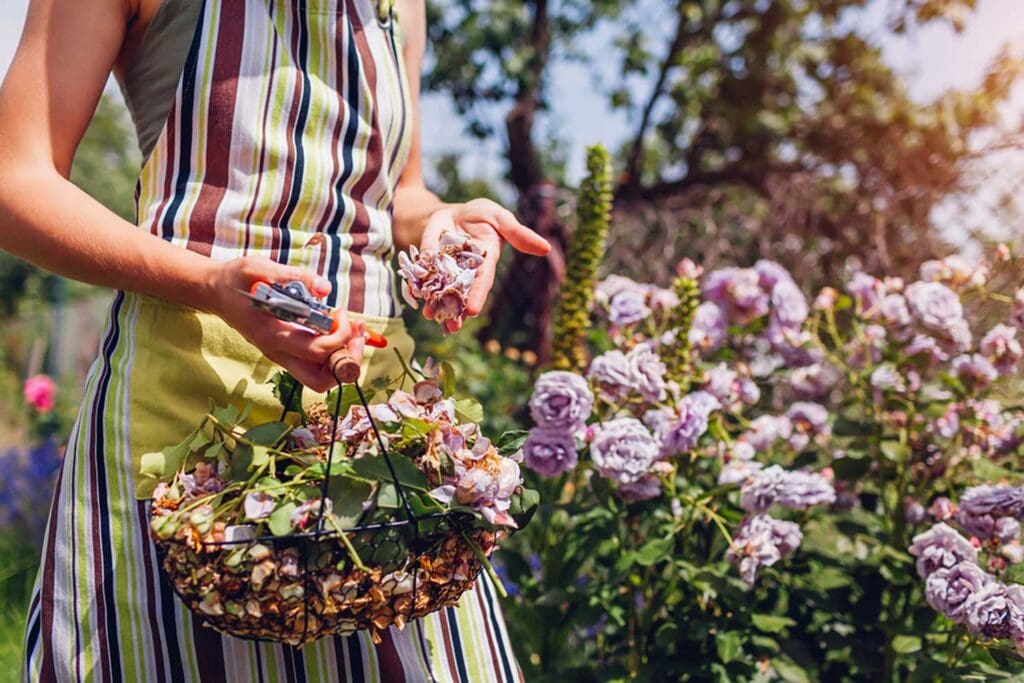
The beauty of slow gardening lies in choosing activities that feel restorative rather than exhausting.
Build, Grow, Paint: Holiday Crafts for Curious Kids
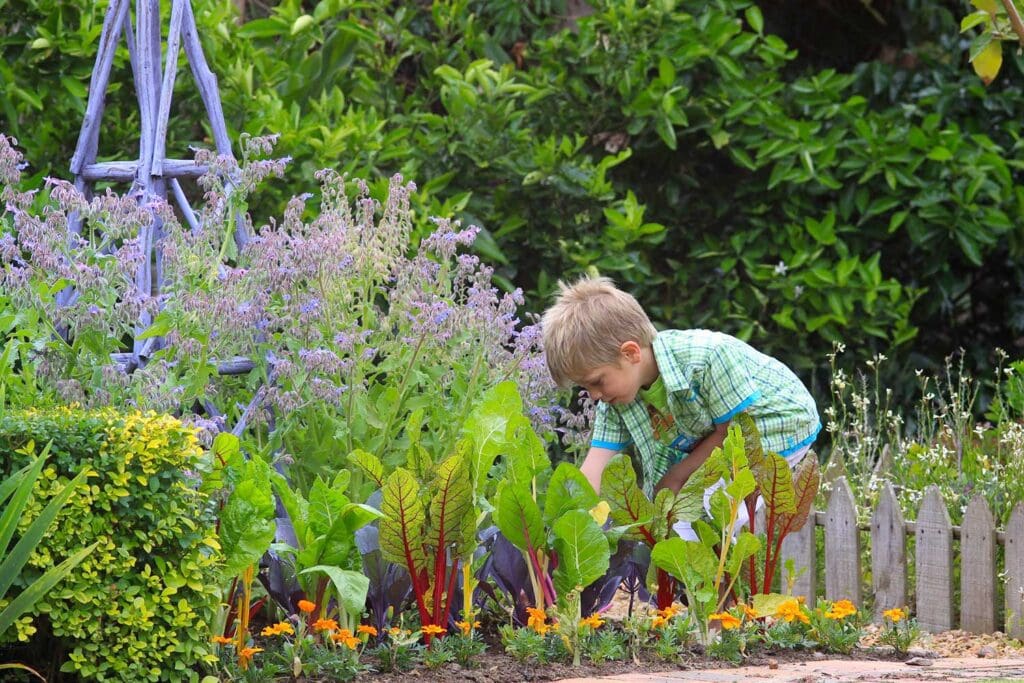
Hooray for holiday craft time! Whether you’re spending your break at home, with friends, or exploring the garden, these fun DIY projects are here to spark your imagination. From painting pebbles to building silly seed-head buddies, each craft is easy to make and filled with creativity. So, grab your paints, gather your supplies, and get ready for a world of colourful creations and hands-on adventures!
Sprout-a-Friend
Get ready to make a hilarious little friend who grows real grassy hair! You can give your buddy a funky hairstyle, silly face, or anything your imagination dreams up.

STEP 1:
Paint an empty yoghurt tub, this will be the water bowl your buddy “drinks” from.
Fill a piece of old pantyhose with a mix of damp palm peat and seeds (any grass, wheat, pet grass, or chia). Place the seeds near the top so real green “hair” grows.
STEP 2:
Shape the stocking into a round head and tie knots on the ends.
Add googly eyes, buttons, pipe cleaners, or anything fun to make a goofy face.
STEP 3:
Leave the stocking “tail” hanging down so it can dip into the water. This keeps the head nice and damp. Soon, you’ll have a silly plant pal with a wild hairdo!

Tweet & Tea Birdfeeder
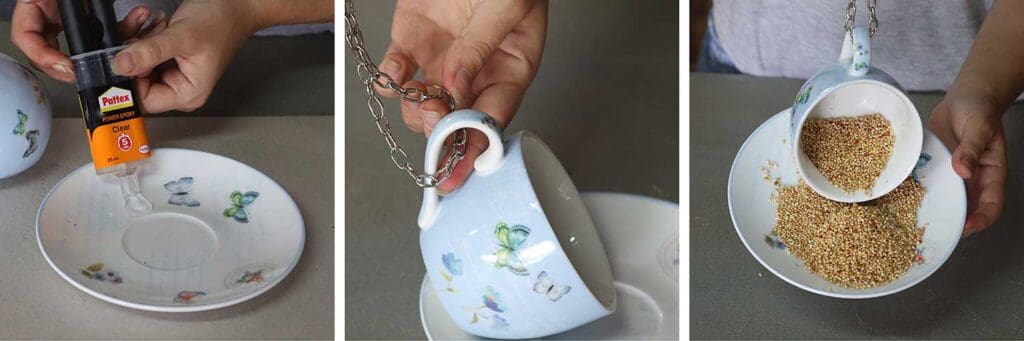
Invite your feathered friends to a magical tea party by making a whimsical teacup birdfeeder for your garden

STEP 1:
Use strong glue (like epoxy) to stick the teacup onto the saucer on its side.
STEP 2:
Tie twine or a light chain to the teacup handle.
STEP 3:
Hang your new birdfeeder from a tree branch, fill it with seeds, and welcome your colourful garden guests!
Rockin’ Little Cactus Garden
Turn ordinary garden pebbles into a mini cactus garden—no watering needed and super cute to display!
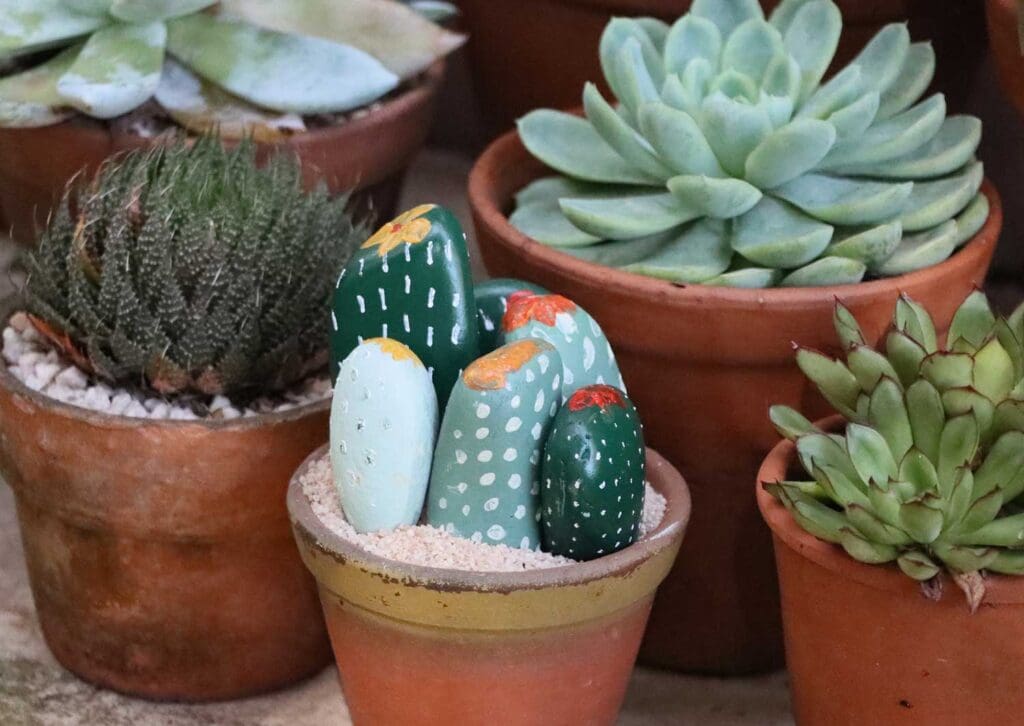
STEP 1:
Add gravel to a small pot, then fill the rest with sand.
Pollinator Gardening
What to plant this summer to attract pollinators and birds
As the South African summer settles in, our gardens burst into life with colour and is humming with activity. It’s the perfect time to plant for pollinators and birds, giving nature a helping hand while turning your garden into a living ecosystem. By choosing nectar-rich flowers, bright colours, and indigenous species, you’ll attract butterflies, bees, and birds, supporting biodiversity right at home.
Planting for purpose
When gardeners plant with birds and pollinators in mind, they create a garden that’s both beautiful and functional. Flowers that produce nectar and pollen are magnets for butterflies, bees, and other beneficial insects, which in turn attract insect-feeding birds.
This season, focus on sunny beds filled with vibrant colour –reds, purples, pinks, and blues – as these hues are known to attract pollinators. Group plants of the same type together for a stronger visual and scent signal; butterflies and bees prefer mass plantings.
Zinnia elegans – colour and continuous nectar
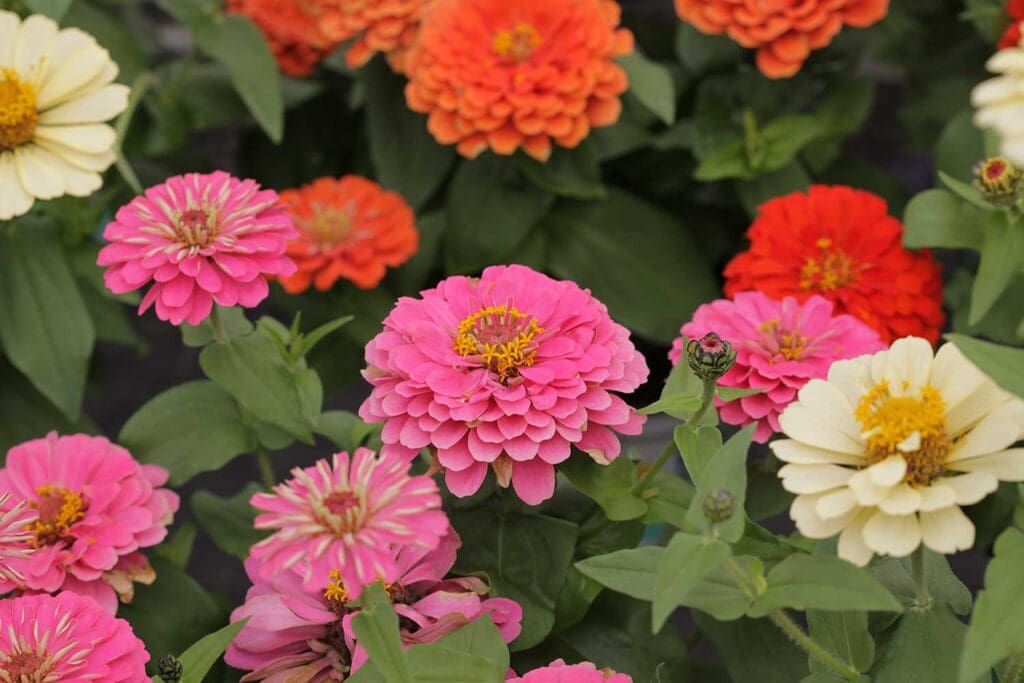
Few flowers shout ‘summer’ quite like Zinnias. With their bold, daisy-like blooms in shades of red, pink, orange, and yellow, Zinnia elegans is a pollinator magnet. Bees adore the open flowers, and butterflies flock to them for nectar. Zinnias thrive in full sun and well-drained soil, flowering from early summer right through to autumn.
Deadhead spent blooms regularly to encourage repeat flowering, and interplant them with other nectar-rich annuals for continuous colour. They also make excellent cut flowers, so you can enjoy their cheer indoors, too.
Anisodontea elegans – the graceful pink mallow

This indigenous shrub, commonly called the elegant pink mallow, combines grace and purpose. It’s a semi-hardy, medium-sized perennial with masses of pink flowers that appear from spring into late summer. Anisodontea elegans thrives in sunny, well-drained beds and copes beautifully with wind and coastal conditions.
Stodels Kenilworth Stodels
 Kenilworth
 Stodels Bryanston Stodels Bryanston
Bergvliet